TEIL 1 – Der Tag, an dem meine Familie mich aufgegeben hat
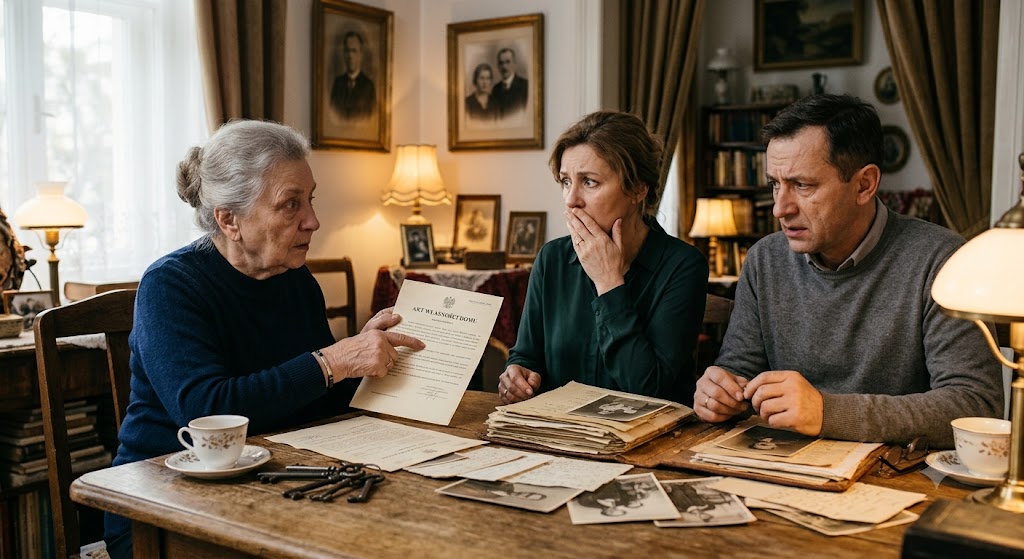
An meinem 85. Geburtstag wachte ich früher auf als sonst, weil ich vor Freude kaum schlafen konnte. Seit Monaten hatte ich meine Kinder und Enkel nicht gesehen, und tief in meinem Herzen glaubte ich, dass dieser Tag endlich alles wieder gutmachen würde. Ich backte den Kuchen, den meine Kinder früher geliebt hatten, kochte die Gerichte aus ihrer Kindheit und deckte den Tisch mit dem alten Porzellan, das nur für besondere Momente aus dem Schrank kam.
Mein Name ist Angela Moretti, und mein ganzes Leben hatte sich um meine Familie gedreht. Gemeinsam mit meinem Mann Julio hatte ich ein Unternehmen aufgebaut, Immobilien gekauft und dafür gesorgt, dass unsere drei Kinder Mathias, Lorenzo und Cristina niemals die Sorgen kennenlernen mussten, die wir früher gehabt hatten. Wir gaben ihnen nicht nur Geld und Sicherheit, sondern vor allem unsere Zeit, unsere Liebe und die Gewissheit, dass sie immer ein Zuhause hatten.
Nach Julios Tod begann sich jedoch alles langsam zu verändern. Meine Kinder übernahmen die Geschäfte, aber anstatt zusammenzuarbeiten, kämpften sie um Macht und Einfluss. Die Familienessen am Wochenende verschwanden, Anrufe wurden seltener und jedes Mal, wenn ich fragte, wann sie mich besuchen würden, bekam ich dieselbe Antwort: „Mama, wir haben gerade zu viel zu tun.“
Ich wollte ihnen glauben.
Eine Mutter findet immer Gründe, ihre Kinder zu verteidigen.
Was ich nicht wusste, war, dass hinter meinem Rücken vieles zusammenbrach. Das Familienunternehmen hatte Schulden, einige Grundstücke waren verkauft worden und Rechnungen blieben offen. Als ich danach fragte, lächelten meine Kinder nur und sagten, ich solle mir keine Sorgen machen.
„Du bist zu alt für solche Probleme, Mama. Genieße einfach dein Leben.“
Ich fühlte mich verletzt, aber ich schwieg.
Denn ich wollte nicht glauben, dass meine eigenen Kinder mich aus ihrem Leben ausschlossen.
Am Morgen meines Geburtstags zog ich mein schönstes Kleid an und betrachtete mich lange im Spiegel. Ich sah eine alte Frau mit Falten im Gesicht, aber in meinen Augen war noch immer dieselbe Mutter, die ihre Kinder erwartete. Als es am Nachmittag endlich klingelte, schlug mein Herz schneller.
Meine Kinder standen vor der Tür.
Zusammen mit meinen Enkelkindern.
Für einen Moment konnte ich kaum sprechen. Ich umarmte sie und spürte Tränen in meinen Augen, weil ich dachte, dass sie endlich verstanden hatten, wie sehr ich sie vermisst hatte. Doch schon während des Essens bemerkte ich, dass etwas anders war.
Sie fragten nicht nach meinem Leben.
Sie hörten kaum zu.
Sie schauten mehr auf ihre Handys als auf mich.
Trotzdem lächelte ich. Ich wollte diesen Tag nicht zerstören. Ich wollte jede Sekunde genießen, solange sie bei mir waren.
Nach dem Essen stand mein Sohn Mathias auf.
„Mama, pack deine Sachen.“
Ich lachte unsicher.
„Was meinst du?“
„Wir fahren.“
Ich dachte, sie hätten eine Überraschung vorbereitet. Vielleicht ein Restaurant, vielleicht einen Ausflug. Also nahm ich meine Tasche und stieg ins Auto.
Doch niemand erklärte mir, wohin wir fuhren.
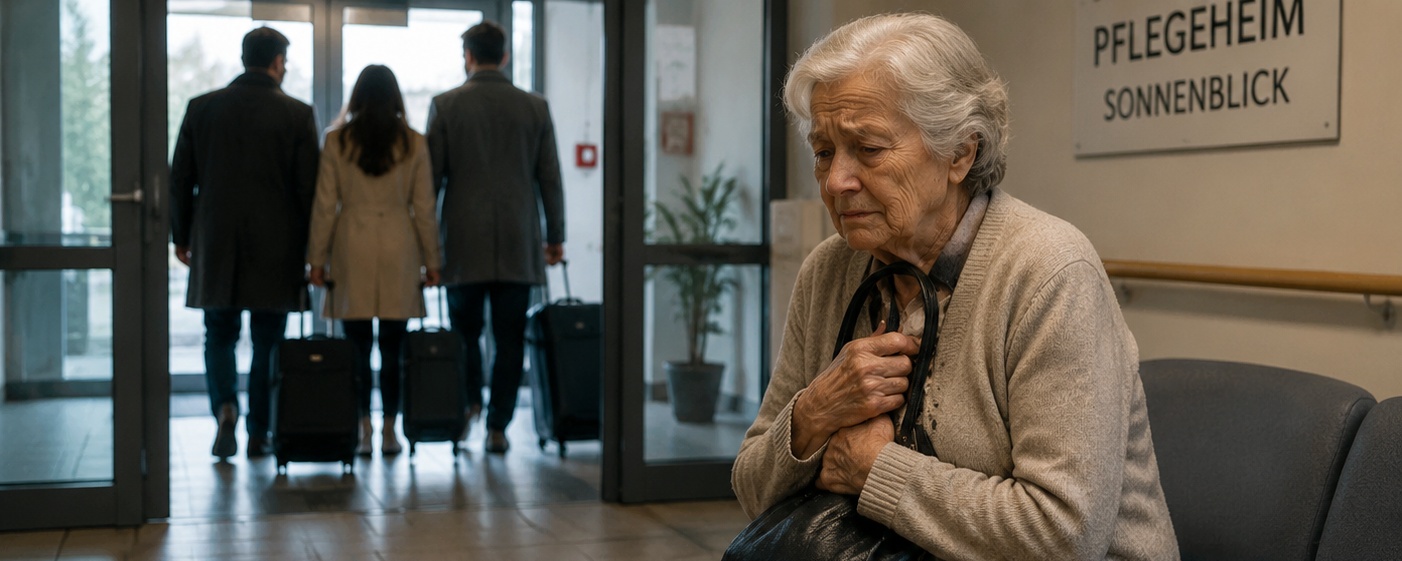
Nach einer langen Fahrt hielt der Wagen vor einem großen Gebäude. Als ich aus dem Fenster sah, erkannte ich das Schild.
Pflegeheim.
Mein Herz blieb stehen.
„Was machen wir hier?“
Mathias stieg aus und nahm meinen Koffer.
Dann sagte er den Satz, den ich niemals vergessen werde.
„Mama, dein Haus wurde verkauft.“
Ich sah ihn an.
„Mein Haus?“
„Wir hatten keine andere Wahl. Die Schulden mussten bezahlt werden.“
In diesem Moment verstand ich, warum sie gekommen waren.
Sie wollten keinen Geburtstag mit mir feiern.
Sie wollten mich loswerden.
„Aber wo soll ich hin?“
Meine Stimme zitterte.
Mathias vermied meinen Blick.
„Hier wirst du versorgt. Du wirst Menschen um dich haben.“
Menschen.
Nicht Familie.
Ich stand vor diesem Gebäude mit meinem kleinen Koffer und vierzig Jahren Erinnerungen im Herzen. Während meine Kinder wieder ins Auto stiegen, wurde mir klar, dass ich für sie nicht mehr die Mutter war, die ihr Leben aufgebaut hatte.
Ich war nur noch ein Problem, das gelöst werden musste.
Doch sie wussten nicht, dass die Frau, die sie gerade verlassen hatten, noch etwas besaß, von dem niemand wusste.
Etwas, das eines Tages beweisen würde, wer wirklich ein Herz hatte.
TEIL 2 – Der Fremde, der mir zurückgab, was meine Familie vergessen hatte
Die erste Nacht im Pflegeheim war die längste Nacht meines Lebens. Ich lag in einem fremden Zimmer und hörte Schritte auf dem Flur, während in meinem Kopf immer wieder derselbe Moment zurückkam: der Blick meines Sohnes, als er mir sagte, dass mein Zuhause nicht mehr mir gehörte. Vierzig Jahre lang hatte ich meine Familie geschützt, und nun war ich diejenige, die niemand mehr schützen wollte.
Die Mitarbeiter im Pflegeheim waren freundlich, aber Freundlichkeit konnte den Schmerz nicht sofort verschwinden lassen. Eine Frau namens Mariana zeigte mir mein Zimmer und versuchte, mich zum Essen zu bewegen, doch ich hatte kaum Appetit. Ich fühlte mich nicht wie eine Bewohnerin, sondern wie jemand, der aus seinem eigenen Leben entfernt worden war.
Die Wochen vergingen langsam. Während andere Bewohner Besuch von ihren Familien bekamen, saß ich oft am Fenster und wartete, obwohl ich wusste, dass niemand kommen würde. Meine Kinder riefen nicht an, meine Enkel fragten nicht nach mir und mein Geburtstag wurde nie wieder erwähnt.
Dann fand ich den Garten.
Hinter dem Gebäude lag ein kleiner, vernachlässigter Innenhof. Die Rosen waren vertrocknet, die Pflanzen ungepflegt und alles wirkte vergessen. Doch ich sah nicht, was kaputt war. Ich sah, was noch möglich war.
Ich begann, dort jeden Morgen zu arbeiten.
Mit meinen Händen, die jahrzehntelang ein Haus geführt hatten, gab ich diesem kleinen Garten neues Leben. Bald kamen andere Bewohner dazu und erzählten mir ihre Geschichten. Viele von ihnen hatten ebenfalls Menschen verloren, die ihnen einst versprochen hatten, immer da zu sein.
Wir waren nicht allein.
Wir waren nur vergessen worden.
Eines Sonntags kam Antonio ins Pflegeheim. Er arbeitete dort als freiwilliger Helfer und sprach mit den Bewohnern, als wären sie Menschen mit Geschichten und nicht nur alte Namen auf einer Liste. Er setzte sich neben mich und fragte nach den Rosen.
Zum ersten Mal seit langer Zeit erzählte ich jemandem meine ganze Geschichte.
Ich erzählte ihm von Julio, von meinen Kindern und von dem Tag, an dem ich aus meinem eigenen Haus gebracht wurde. Antonio unterbrach mich nie. Er sagte nicht, ich solle stark sein oder die Vergangenheit vergessen.
Er hörte einfach zu.
Mit der Zeit wurde Antonio zu einem Teil meines Lebens. Er kam jeden Sonntag, brachte manchmal Blumen mit und erzählte mir von seiner Familie. Er hatte eine Frau und zwei Kinder, doch ich merkte, dass ihn etwas belastete.
Eines Tages erzählte er mir von seinem jüngsten Sohn.
Der Junge brauchte eine spezielle Behandlung, damit er wieder richtig laufen konnte. Die Ärzte machten Hoffnung, aber die Kosten waren für die Familie kaum zu bezahlen.
„Mein größter Wunsch ist es, meinen Sohn wieder laufen zu sehen“, sagte Antonio.
Ich sah ihn an und erkannte etwas.
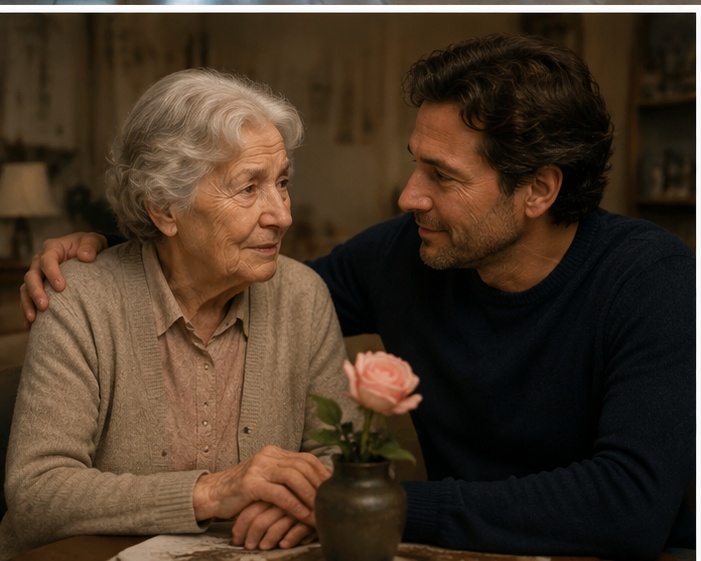
Er liebte sein Kind genauso sehr, wie ich meine Kinder geliebt hatte.
In diesem Moment erinnerte ich mich an ein Geheimnis, das ich viele Jahre bewahrt hatte.
Nach dem Tod meines Mannes hatte ich einen kleinen Teil unseres alten Familienvermögens zurückbehalten. Nicht für Luxus, nicht für mich selbst. Ich hatte immer gedacht, ich würde es irgendwann für etwas wirklich Wichtiges brauchen.
Und nun wusste ich, wofür.
Am nächsten Tag bat ich Antonio um Papier und einen Stift.
„Ich möchte dir etwas geben.“
Er sah mich verwirrt an.
Doch was ich ihm gab, würde nicht nur sein Leben verändern.
Es würde auch zeigen, dass meine Kinder mich völlig falsch eingeschätzt hatten.
TEIL 3 – Die alte Kiste und das Geheimnis, das niemand kannte
Ich schrieb eine Adresse auf einen kleinen Zettel und gab Antonio einen alten Schlüssel. Er fragte mich, was er dort finden würde, doch ich lächelte nur.
„Du wirst es erkennen, wenn du es siehst.“
Am nächsten Tag fuhr Antonio zu dem verlassenen Grundstück. Dort stand eine alte Scheune, die seit Jahren niemand mehr betreten hatte. Nach langer Suche fand er schließlich eine staubige Holzkiste, die tief in einer Ecke versteckt war.
Als er sie öffnete, erwartete er alte Erinnerungen.
Und genau das fand er zuerst.
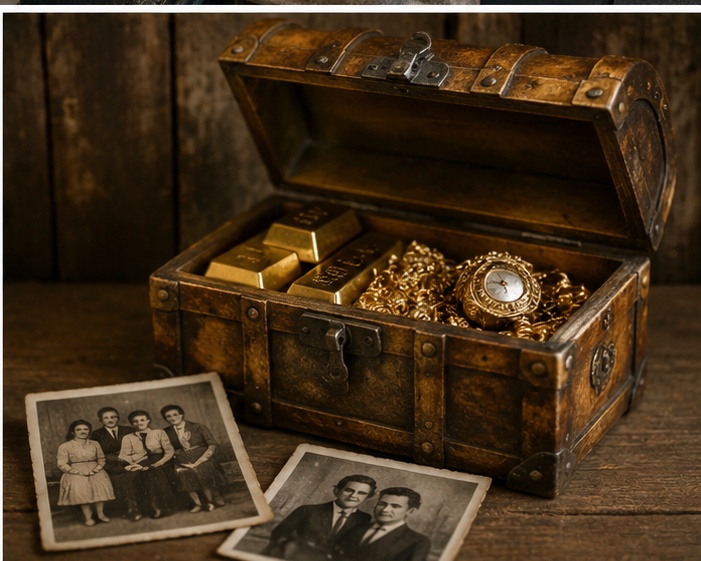
Fotos meiner Familie.
Bilder von Julio, meinen Kindern und unserem früheren Leben.
Doch unter den Fotos entdeckte er einen versteckten Boden.
Darin lagen Goldbarren und wertvoller Schmuck.
Antonio konnte seinen Augen nicht glauben.
Dieses Vermögen hätte ich meinen Kindern geben können.
Den Menschen, für die ich vierzig Jahre gearbeitet hatte.
Doch sie hatten entschieden, dass ich keinen Platz mehr in ihrem Leben hatte.
Also gab ich es dem Menschen, der mich behandelt hatte, als wäre ich wieder jemand Wichtiges.
Antonio und seine Frau nutzten das Geld für die Behandlung ihres Sohnes. Die Therapie begann sofort, und nach Monaten voller Hoffnung und Angst machte der Junge Fortschritte.
Doch Antonio dachte nicht nur an sich.
Er wollte mir etwas zurückgeben.
Gemeinsam mit seiner Frau kauften sie ein kleines Haus in der Nähe des Pflegeheims. Sie wollten mich dort einziehen lassen und mir zeigen, dass ich nicht vergessen worden war.
Als sie zum Pflegeheim kamen, suchten sie nach mir.
Doch sie fanden mich nicht.
Eine Mitarbeiterin sah sie traurig an.
„Angela ist letzte Nacht eingeschlafen.“
Antonio blieb stehen.
Er hatte zu lange gewartet.
Er hatte mir nie sagen können, wie viel ich ihm bedeutet hatte.
TEIL 4 – Die Lektion, die meine Kinder zu spät verstanden
Nach meinem Tod fühlte Antonio eine Leere, die er kaum erklären konnte. Für ihn war ich nicht nur eine ältere Frau aus einem Pflegeheim gewesen. Ich war die Person geworden, die ihm gezeigt hatte, dass Güte noch existiert.
Er erzählte meine Geschichte anonym in einer Zeitung.
Nicht, um berühmt zu werden.
Sondern damit Menschen verstehen, dass kleine Taten manchmal ein ganzes Leben verändern können.
Die Geschichte verbreitete sich schnell.
Viele Menschen waren bewegt.
Doch niemand war stärker getroffen als meine eigenen Kinder.
Mathias, Lorenzo und Cristina erfuhren, was passiert war.
Sie erfuhren, dass ihre Mutter den letzten wertvollen Teil ihres Erbes nicht ihnen gegeben hatte.
Sondern einem Fremden.
Zuerst waren sie wütend.
Dann verstanden sie langsam die Wahrheit.
Sie hatten geglaubt, sie hätten eine alte Frau verloren, die keine Rolle mehr spielte.
Doch sie hatten die wichtigste Person verloren, die sie jemals gehabt hatten.
Eine Mutter, die sie trotz allem geliebt hatte.
Eine Frau, die niemals gezögert hätte, ihnen zu helfen.
Antonio gründete später mit einem Teil des Geldes ein Hilfsprojekt für ältere Menschen, die von ihren Familien vergessen wurden. Der Garten, den ich im Pflegeheim gepflegt hatte, wurde zu einem Ort, an dem Menschen zusammenkamen und wieder Hoffnung fanden.
Dort pflanzten sie Rosen.
Viele Rosen.
Denn ich hatte immer geglaubt, dass Menschen genauso sind wie Pflanzen.
Wenn niemand sich kümmert, verwelken sie.
Wenn jemand bleibt, können sie wieder blühen.
Meine Kinder hatten mich in meinem schwächsten Moment verlassen.
Doch ein Fremder hatte mir in meinen letzten Monaten gezeigt, dass Familie nicht nur durch Blut entsteht.
Manchmal entsteht Familie durch eine einzige Entscheidung:
Jemanden nicht allein zu lassen.
Und vielleicht war das die größte Lektion meines Lebens.
Meine Kinder hatten geglaubt, sie hätten mich weggegeben.
Aber in Wahrheit hatten sie den Menschen verloren, der sie immer geliebt hatte.
Während ein Fremder bekam, was sie längst vergessen hatten:
Mein Herz.