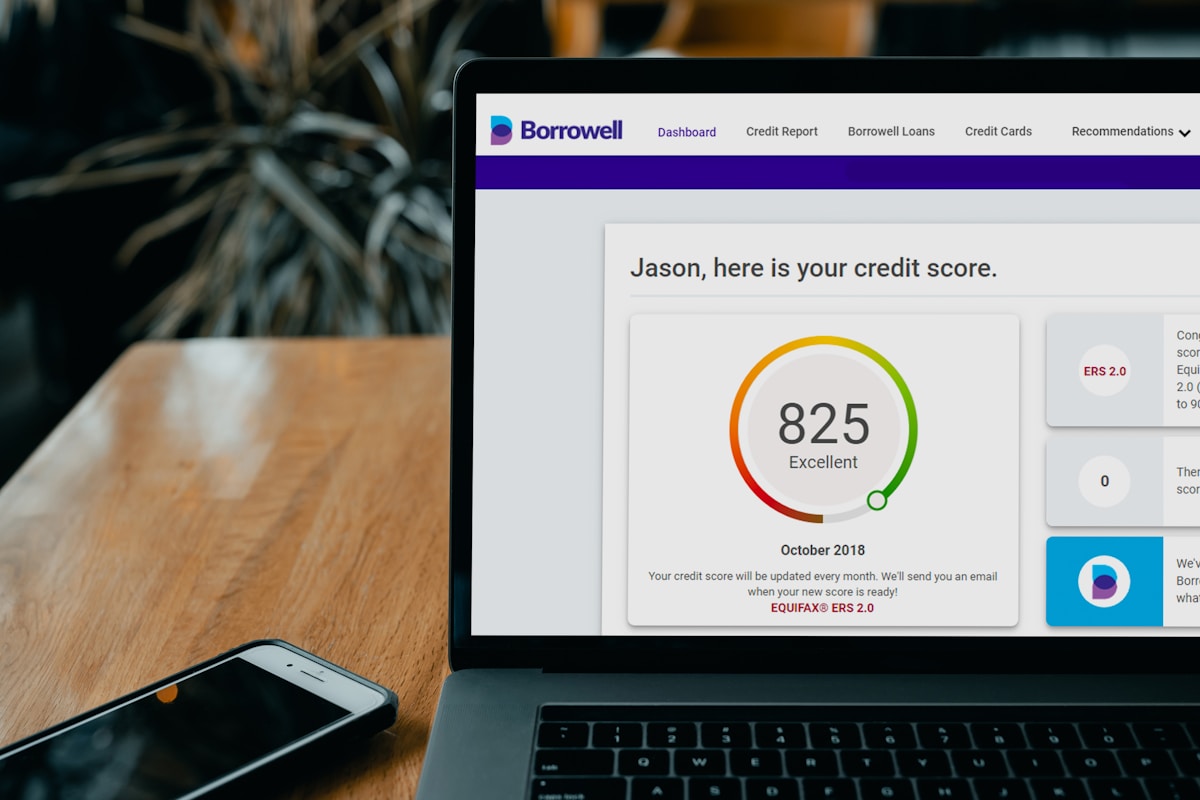
Why Your Credit Score Isn’t Just About What You Owe
Here’s something that surprises most people: your total debt amount only accounts for about 30% of your credit score. That means 70% of your score depends on factors that have nothing to do with how much you currently owe.
I’ve seen people obsess over paying down every last dollar while completely ignoring the habits that actually move the needle faster. You can absolutely improve your score while still carrying balances — you just need to know which levers to pull.
Check Your Credit Reports for Errors First

Before doing anything else, pull your free credit reports from all three bureaus at AnnualCreditReport.com. About one in five Americans has an error on at least one report, and these mistakes can drag your score down for no reason.
Look for:
- Accounts you don’t recognize
- Late payments you actually made on time
- Old negative items that should have fallen off (most stay for 7 years)
- Incorrect credit limits or balances
- Duplicate accounts
Found something wrong? Dispute it directly with the bureau. I’ve personally seen scores jump 40-60 points after removing inaccurate collections or correcting a wrongly reported late payment. This costs you nothing except 20 minutes of your time.
Lower Your Credit Utilization Without Paying More
Credit utilization — the percentage of available credit you’re using — is the second biggest factor in your score. But here’s what most advice misses: you don’t have to pay down balances to improve this ratio. You can also increase the denominator.
Request Credit Limit Increases
Call your credit card companies and ask for higher limits. If you’ve been a customer for at least 6 months and haven’t missed payments, you have a decent shot at getting approved.
Say something like: “I’ve been a customer for [X years] and I’d like to request a credit limit increase. Is there an option that doesn’t require a hard inquiry?”
Many issuers will do a soft pull for existing customers. Even if they do a hard inquiry, it might be worth it. A hard inquiry costs you maybe 5-10 points temporarily, but a significantly higher limit could boost your utilization score by much more.
Become an Authorized User
This is one of the most underrated credit hacks out there. If someone you trust — a parent, spouse, or close friend — has a credit card with a high limit, long history, and perfect payment record, ask them to add you as an authorized user.
You dont even need to use the card or have it in your possession. Their positive account history gets added to your credit file. I’ve seen this add 20-50 points in a single month for people with thin credit files.
Keep Old Cards Open
That store card you got 8 years ago but never use? Keep it open. Closing old accounts hurts your score in two ways: it reduces your total available credit (raising utilization) and shortens your average account age.
Just make a small purchase every 6 months so the issuer doesn’t close it for inactivity.
Fix Your Payment History — It’s 35% of Your Score

Payment history is the single biggest factor. One missed payment can tank your score by 100 points or more. But you don’t need to be debt-free to have perfect payment history.
Set Up Autopay for Minimums on Everything
I know, I know — you’ve heard this before. But so many people skip this step. Set every single account to autopay at least the minimum. You can always pay more manually, but this ensures you never accidentally miss a due date.
Late payments don’t typically get reported until they’re 30+ days overdue. So even if you’re a few days late, you usually have a buffer. But why risk it?
Ask for Goodwill Adjustments
Got a late payment from a year or two ago on an account where you’re otherwise in good standing? Write a goodwill letter to the creditor asking them to remove it.
Something like: “I’ve been a loyal customer for [X years] and have maintained on-time payments except for [date]. I’m requesting a goodwill adjustment to remove this late payment from my credit report as a one-time courtesy.”
Success rates vary, but it costs nothing to ask. Some creditors have policies against it, others will quietly do it for good customers.
Strategic Moves That Speed Up Progress
Apply for a Credit-Builder Loan
Credit-builder loans are specifically designed for people trying to build or rebuild credit. You “borrow” a small amount ($300-$1000) that gets held in a savings account while you make monthly payments. Each payment gets reported to the bureaus.
At the end of the term, you get the money. It’s essentially forced savings that builds your payment history. Companies like Self and MoneyLion offer these. Just make sure they report to all three bureaus.
Mix Up Your Credit Types
About 10% of your score comes from having different types of credit — installment loans and revolving credit. If you only have credit cards, adding an installment loan (like a credit-builder loan or even starting to invest with small amounts through a lending platform) shows lenders you can handle different account types.
Space Out New Applications
Every hard inquiry stays on your report for two years but typically only affects your score for about 12 months. If you’re planning to apply for a mortgage or auto loan soon, stop applying for new credit cards now.
But if your score-building timeline is longer, a strategic new card with a high limit can actually help your utilization ratio despite the temporary inquiry hit.
The Timing Trick Most People Miss
Credit card companies report balances to bureaus once a month — usually on your statement closing date, not your due date. This matters because even if you pay your full balance every month, a high reported balance hurts your utilization.
Here’s the fix: pay down your cards a few days before the statement closes. If your limit is $5,000 and you typically spend $3,000/month, that’s 60% utilization being reported — even if you pay it off. Pay it down to $500 before the statement date, and suddenly you’re reporting 10% utilization.
This is especially useful if you’re building an emergency fund and can’t afford to pay everything off, but want to show lower utilization on your report.
What to Prioritize When You Can’t Do Everything
If you’re stretched thin, focus your energy in this order:
And if you’re also working on paying off credit card debt while building savings, these strategies complement each other perfectly. You don’t have to choose between improving your score and managing your debt.
The Bottom Line
Your credit score isn’t a morality test about how much debt you have. It’s a game with specific rules, and once you understand those rules, you can make meaningful improvements without necessarily paying off every balance first.
Start with the free stuff — error disputes, authorized user status, limit increases. Be obsessive about payment timing. And remember that consistent small actions beat sporadic big ones every time.
Give it 2-3 months of following these steps and check your score again. You’ll probably be pleasantly surprised.