A groundbreaking new study has reignited the age-old debate surrounding one of history’s most pivotal events: the resurrection of Jesus Christ. With claims that historical analysis lends substantial support to the biblical accounts of an empty tomb and post-crucifixion sightings, this inquiry is drawing attention from theologians, historians, and skeptics alike.

The research, conducted by Pearl Bipin, an engineer and mathematician from the National Institute of Technology in Goa, India, employs a “Minimal Facts” approach. This methodology focuses on data points that are widely accepted by scholars across various beliefs. Bipin’s findings assert that several key historical truths are nearly indisputable: Jesus was crucified under the Roman governor Pontius Pilate, his followers genuinely believed they encountered him after his death, and the early Christian movement thrived despite facing intense persecution. The study challenges conventional naturalistic explanations—such as mass hallucinations or conspiracy theories—arguing they fail to adequately explain these historical realities.
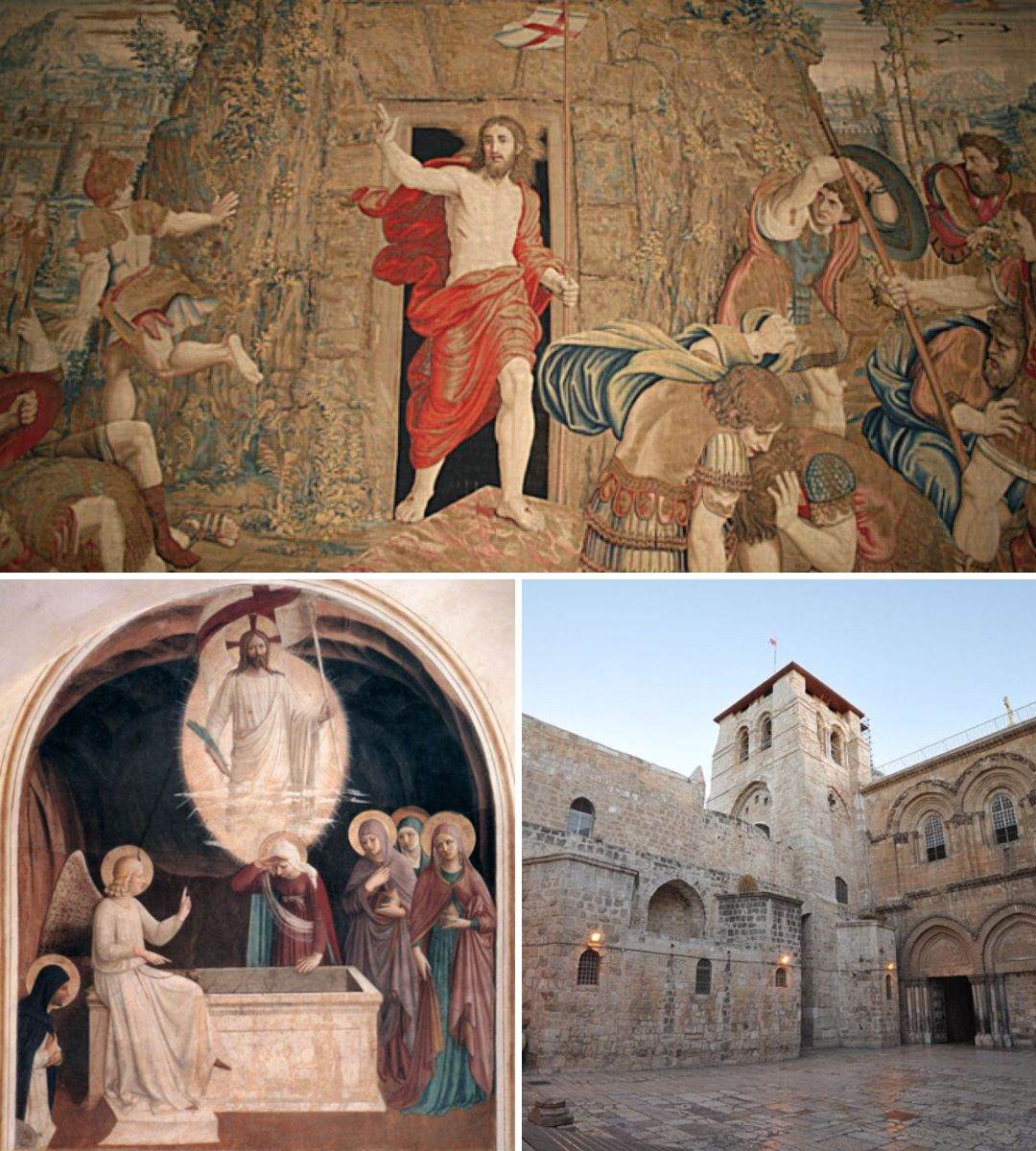
At the core of the resurrection narrative is the enigma of the empty tomb. Historical records, including the canonical Gospels, state that the tomb belonging to Joseph of Arimathea was discovered empty shortly after the crucifixion. Scholars argue that if the tomb had not been empty, authorities could have easily squashed the burgeoning Christian movement by presenting the body. Notably, all four Gospels mention women as the first witnesses to the empty tomb, a detail that suggests authenticity, given the societal norms of first-century Judea. As Kyle Tucker noted in The Gospel Coalition, “The mainstream view among historians today is that it’s more probable than not that Jesus’s tomb was empty and that people genuinely believed they saw the resurrected Jesus.”

The narrative deepens with the accounts of post-resurrection appearances. The Apostle Paul, writing within two decades of the crucifixion, lists numerous individuals and groups who reportedly saw the risen Christ, including an extraordinary appearance to over 500 people at once. Prof. Jonathan Morrow emphasized to CBN News that this offers “living history” with individuals who could verify the claims being made.
Moreover, the transformation of Jesus’ disciples adds another layer to the argument. Initially fearful and scattered during the crucifixion, they emerged as bold advocates of the resurrection, even facing execution for their beliefs. This dramatic shift is particularly striking in the case of James, Jesus’ brother, who was initially skeptical but later became a key leader in the early church. Similarly, Saul of Tarsus transformed from a fierce persecutor of Christians to one of the faith’s most passionate missionaries. Apologists often argue that while individuals might die for a belief they hold to be true, it is highly unlikely that so many would willingly sacrifice themselves for a falsehood they knew to be fabricated.

Despite these compelling arguments, the debate remains unresolved. Critics, including prominent New Testament scholar Bart Ehrman, argue that extraordinary claims necessitate extraordinary evidence, asserting that historical methods cannot validate supernatural occurrences. Ehrman contends that the canonical accounts were penned decades after the events by authors who were not eyewitnesses and held strong theological biases. He suggests that, among the billions of people who have lived, if the resurrection truly occurred, it would stand as a singular anomaly, making it statistically less plausible than explanations rooted in legend or misinterpretation.
A recent peer-reviewed article by John E. Thiel in the Scottish Journal of Theology acknowledged this ongoing tension, proposing that while the resurrection can be viewed as a historical event, its full significance is best understood through a theological lens. Ultimately, the question of Jesus’ resurrection sits at the complex crossroads of history, theology, and philosophy, with interpretations varying widely based on individual worldviews.
As this debate continues to unfold, one thing remains certain: the resurrection of Jesus Christ will forever be a topic that sparks curiosity and discussion across generations. What do you think—can faith and history coexist in this monumental narrative?