
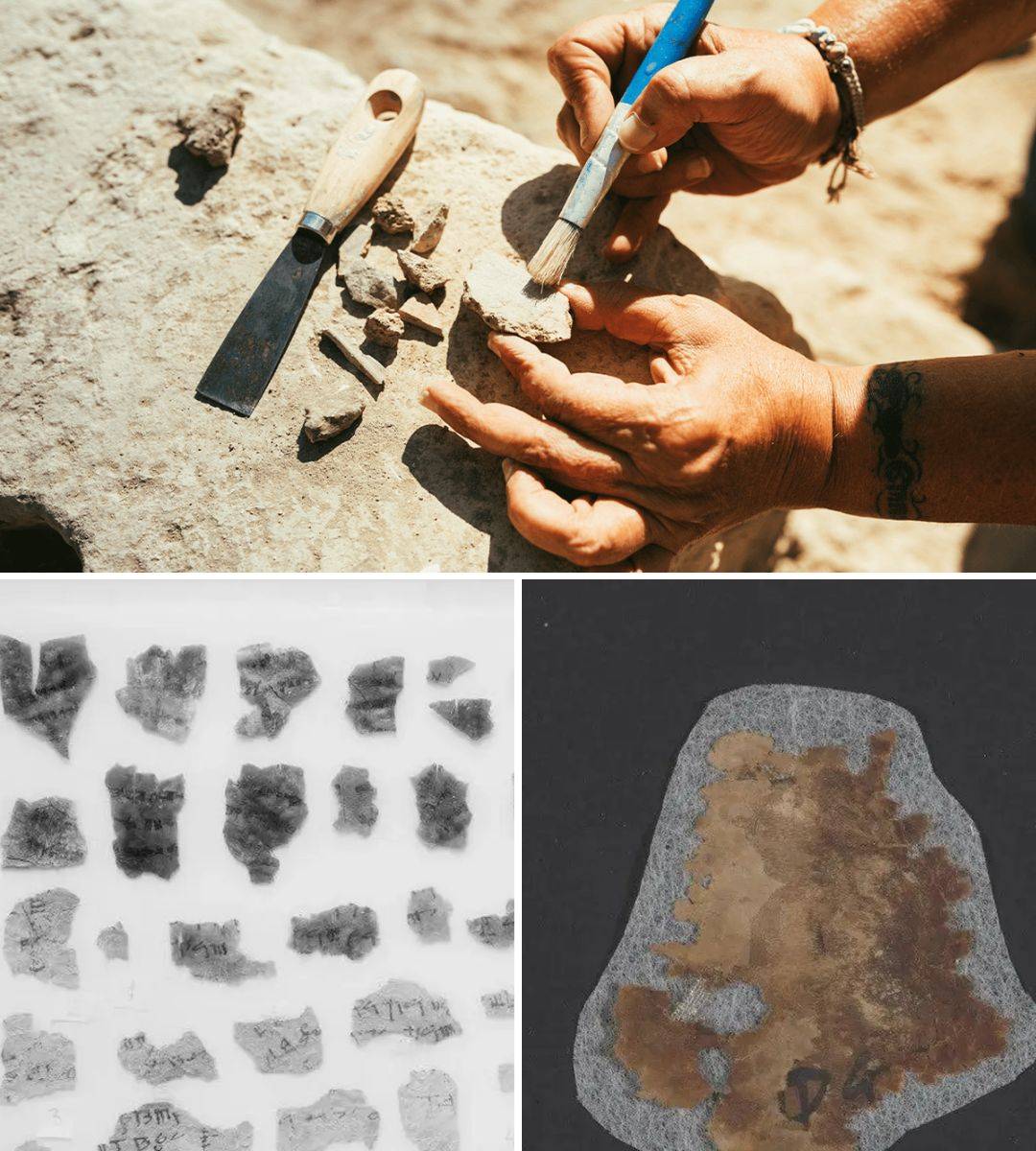
In a groundbreaking revelation that feels straight out of a biblical epic, a scientist has finally deciphered one of the last remaining Dead Sea Scrolls, shedding new light on ancient texts that date back over 2,000 years. This monumental achievement not only stirs excitement among scholars but also rekindles interest in the foundational narratives of Christianity and Rabbinic Judaism.
The Dead Sea Scrolls, discovered between 1946 and 1956 in the Qumran Caves of Palestine, have long fascinated historians and theologians alike. These scrolls, which date from the 3rd century BCE to the 1st century CE, are considered the oldest surviving manuscripts of texts that would later form part of the biblical canon. With approximately 15,000 scrolls and fragments housed in the Shrine of the Book at Jerusalem’s Israel Museum, the quest to decode their mysteries has spanned over seven decades.
 Now, Emmanuel Oliveiro, a researcher from the University of Groningen in the Netherlands, has cracked the so-called ‘impossible’ code of the Cryptic B manuscripts. Previously deemed unreadable due to their unfamiliar alphabet, Oliveiro dedicated two months to painstakingly match symbols to Hebrew letters, revealing themes of divine judgment, messianic prophecies, and Israel’s destiny.
According to reports, Oliveiro’s breakthrough came when he identified a sequence of letters in one fragment that corresponded to the Hebrew word Yisrael. He remarked, “Once you’ve seen it, you can’t unsee it,” highlighting the thrill of discovery that accompanies such ancient texts. The fragments also reference significant figures and concepts, including Judah, Jacob, and Elohim (God).

In a nod to the work of scholar Józef Milik, who deciphered similar scrolls in 1955, Oliveiro employed a mono-alphabetic substitution method, where each Hebrew or Aramaic letter was consistently replaced by a unique symbol. His findings suggest that the scrolls were intentionally coded, perhaps to ensure that only those with a profound understanding of the texts could unlock their secrets.
One fragment, in particular, speaks of “the tents of Jacob,” echoing phrases found in the biblical books of Jeremiah and Malachi. Oliveiro humorously recalled sharing his ambitious project with friends and family, who joked that he might spend decades trying to decode the scrolls. Yet, once he made the connection, the process accelerated.
As we step into 2026, the excitement surrounding this discovery reminds us of the enduring allure of ancient mysteries. What other secrets might still lie hidden within the scrolls?02


