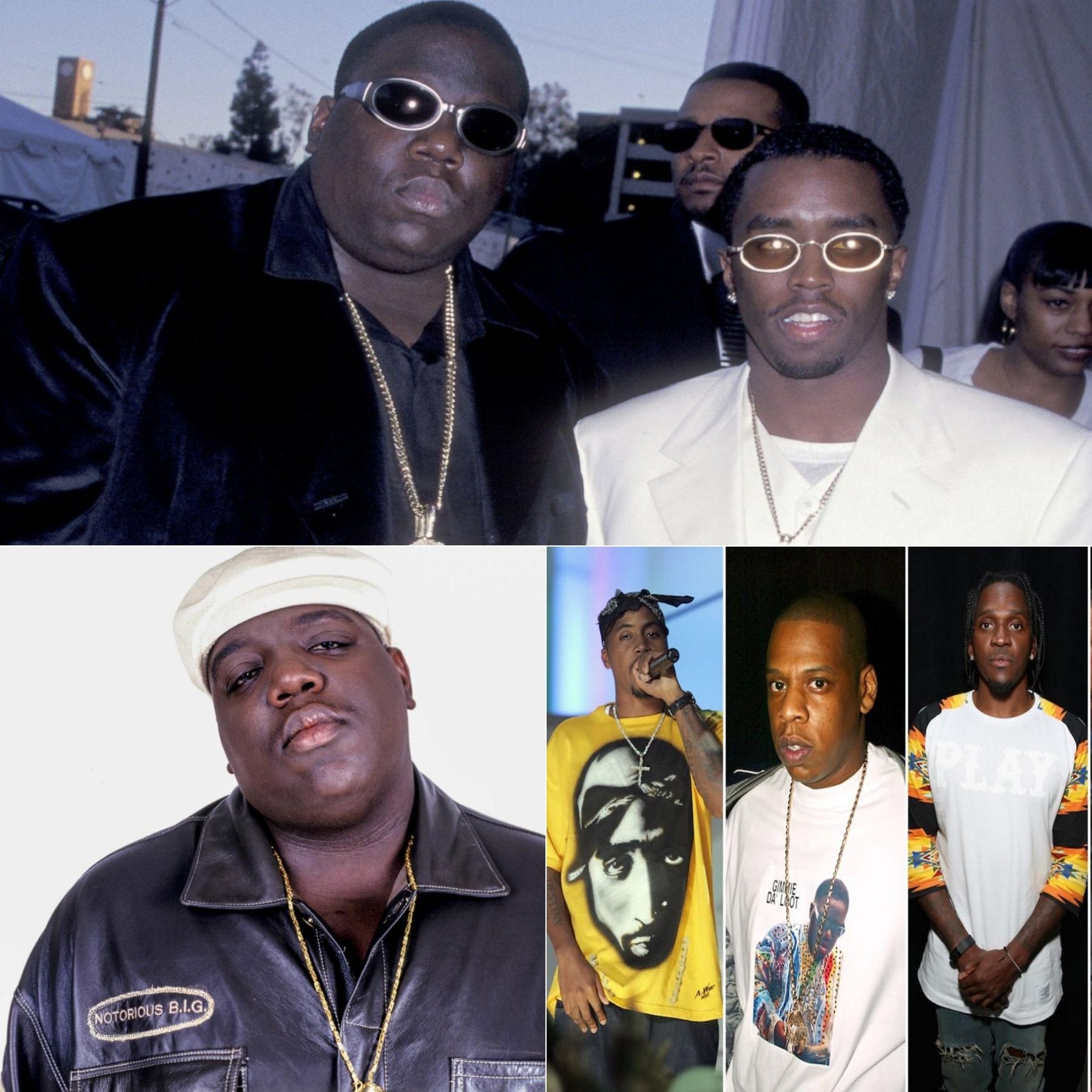
The Notorious B.I.G. rose from the streets of Brooklyn to become one of the most celebrated rappers of the 1990s. With classic albums and a powerful lyrical style, Biggie quickly became the face of East Coast hip-hop under Bad Boy Records, led by producer and entrepreneur Sean Combs.

However, his rapid rise to fame coincided with the growing hostility between East Coast and West Coast rap scenes. The rivalry exploded after Tupac Shakur was shot during a robbery in New York City in 1994. Tupac believed Biggie and members of Bad Boy Records knew more about the incident than they admitted, though Biggie always denied involvement.
As tensions escalated, Tupac joined Death Row Records and stood alongside the label’s feared co-founder Suge Knight. The feud soon turned into a nationwide media spectacle. Diss tracks, radio interviews, public insults, and sensational headlines fueled the conflict, while fans across America divided themselves into East Coast and West Coast camps.

The rivalry also became linked to gang culture and street violence. Reports connected associates from both record labels to gangs such as the Bloods and Crips, increasing fears that the music industry was becoming dangerously entangled with organized street activity. Security around concerts and public appearances tightened as threats and rumors spread through the entertainment world.

Tragically, the feud ended in bloodshed. Tupac was murdered in Las Vegas in September 1996. Just six months later, Biggie was shot and killed in Los Angeles in March 1997. Both murders shocked the world and remain officially unsolved, leaving behind one of the darkest and most controversial chapters in American music history.


