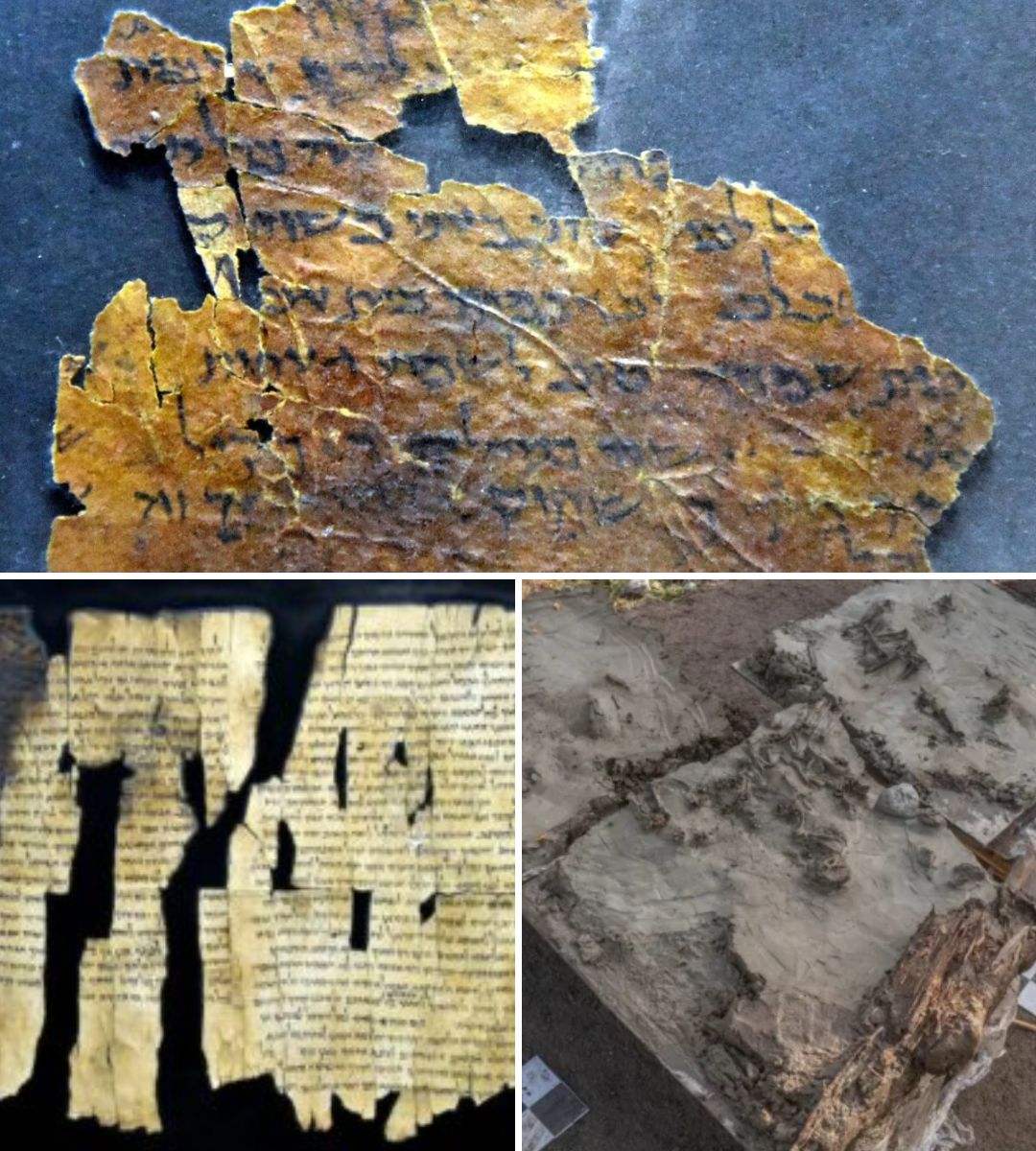
For over seven decades, the enigmatic writing system known as Cryptic B from the Dead Sea Scrolls has captivated scholars and sparked endless theories about its hidden meanings. Now, a groundbreaking study by Emmanuel Oliveiro from the University of Groningen has finally shed light on this ancient mystery, revealing that the script is not a vessel for forbidden knowledge but rather contains familiar biblical phrases and religious concepts.

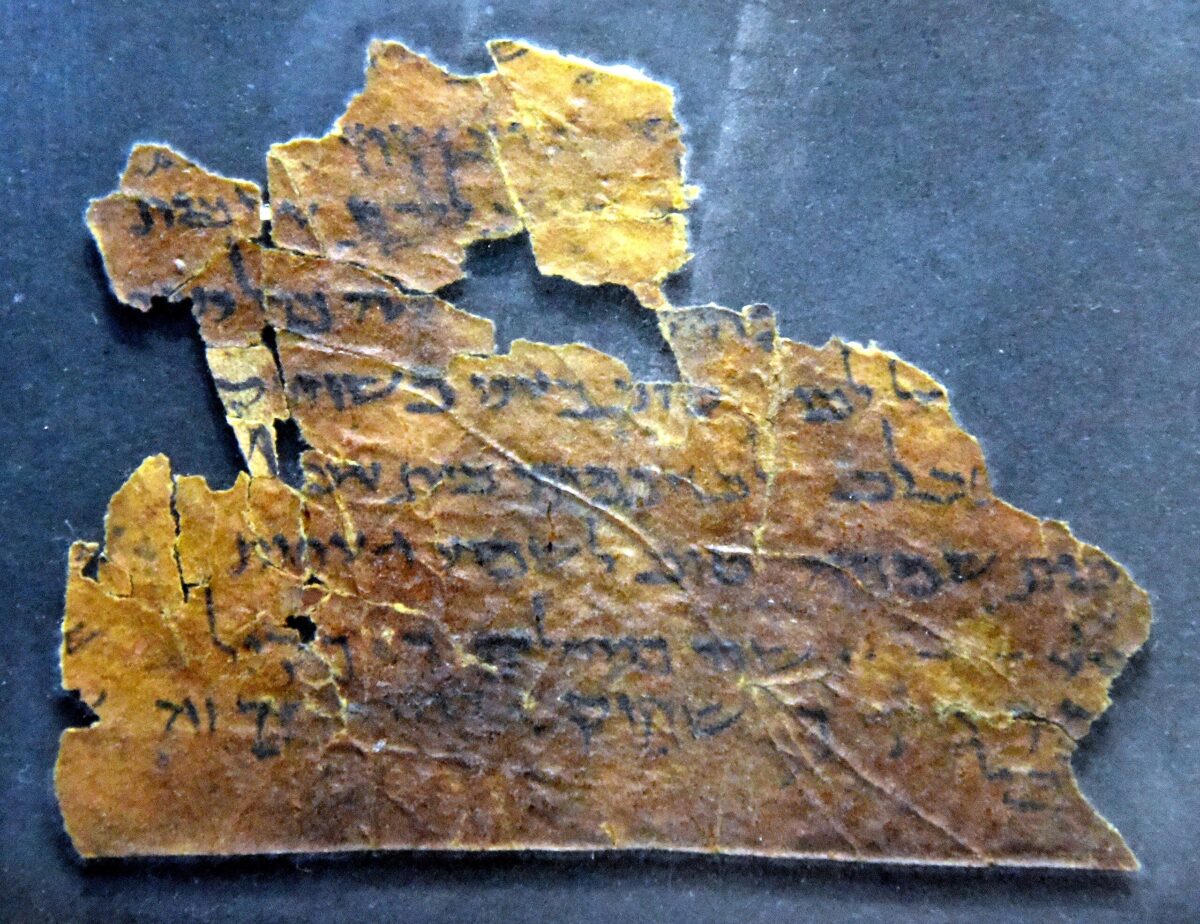
In his upcoming 2025 research published in Dead Sea Discoveries, Oliveiro details how he tackled the challenge of deciphering Cryptic B, a task that has stumped experts due to the fragile and fragmented nature of the manuscripts. The two surviving texts, 4Q362 and 4Q363, are composed of tiny, damaged fragments that present a formidable puzzle. With pieces measuring just millimeters and showing signs of wear, the challenge was compounded by inconsistencies in the script itself, which varied not only between fragments but sometimes even within the same line.
Oliveiro’s approach drew inspiration from the successful decipherment of Cryptic A in the 1950s. He proposed that Cryptic B utilized a monoalphabetic substitution system, where each Hebrew letter corresponds to a unique symbol. This theory opened the door to a vast array of potential combinations, making it a daunting task even for modern algorithms. To make progress, Oliveiro meticulously analyzed recurring patterns and cross-referenced them with the Hebrew Bible and other Qumran texts. His keen eye for detail and intuition played a crucial role in piecing together the script.
The pivotal moment in Oliveiro’s research came when he identified a five-character sequence in 4Q362 that likely represented the Hebrew word “Israel.” This breakthrough allowed him to unlock further letters, gradually revealing the alphabet. While a few characters remain uncertain, the decipherment is robust enough to reconstruct much of the surviving text.

What Oliveiro uncovered is surprisingly conventional, filled with language typical of prophetic and historical writings. The texts reference Israel, Judah, and divine glory, along with chronological markers that align with the known scriptural worldview of the Qumran community. However, one intriguing aspect is the repeated mentions of graves or tomb markers, hinting at deeper meanings that remain open to interpretation.
The enduring mystery of Cryptic B was less about the complexity of its content and more about the physical challenges of the manuscripts themselves. The irregular handwriting, variations in letter proportions, and extensive damage made it difficult for earlier scholars to make sense of the fragments. With only two manuscripts to work from, the limited text posed a significant barrier to applying broader analytical methods.
The decipherment of Cryptic B highlights a fascinating paradox in ancient coding: sometimes the real enigma lies not in the message itself but in the act of encoding it. Scholars continue to ponder why the Qumran community chose to obscure otherwise ordinary religious language. Was it a means of signaling exclusivity, or perhaps a form of scribal training?
As Oliveiro’s findings open new avenues for understanding the intellectual landscape of the Dead Sea Scrolls, the questions surrounding the motivations behind such cryptic writing remain tantalizingly unresolved. What other secrets might still be hidden within the fragments of history?