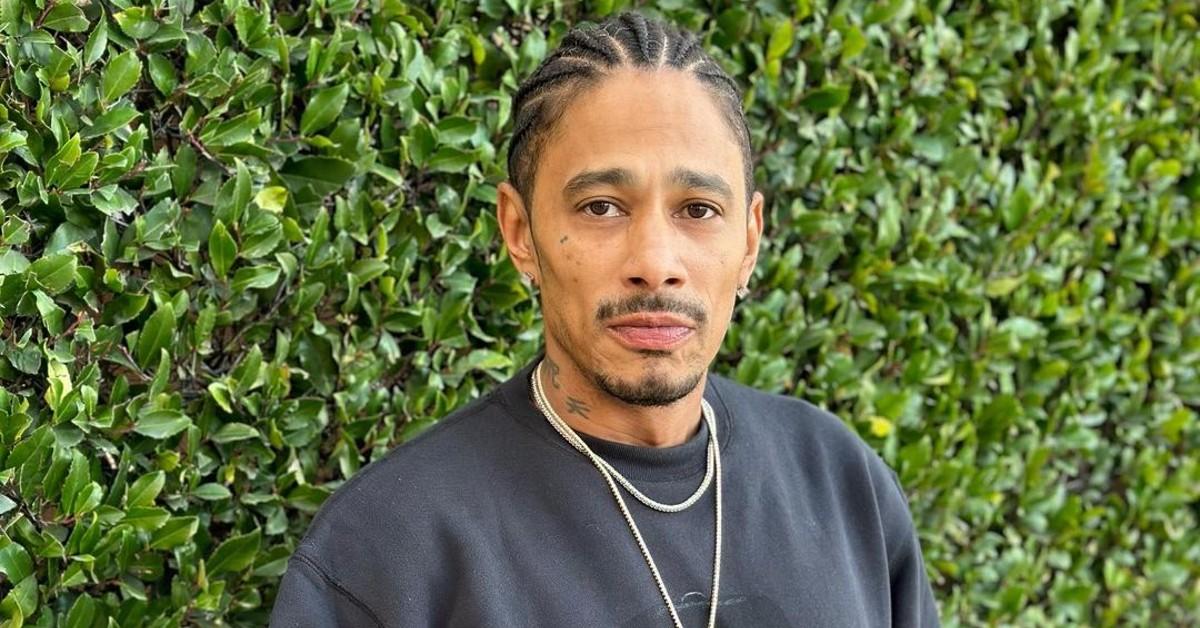
The hip-hop world is once again locked in a heated debate after Max B made explosive comments comparing himself to legendary New York rap icons, igniting a massive backlash across social media and forcing fans to confront one of rap’s oldest arguments: confidence versus disrespect.

What started as a casual conversation during an interview quickly turned into a full-scale internet war the moment Max B boldly declared that he belonged among New York’s all-time greatest artists. But the real explosion came when the conversation shifted toward legendary pioneers like Big Daddy Kane, Rakim, and LL Cool J.
Max B didn’t just say he respected their legacy while believing he could stand beside them. Instead, he doubled down with comments many fans interpreted as dismissive and disrespectful. He openly questioned their relevance today, mocked how often they are discussed in modern hip-hop conversations, and argued that none of them could do what he does musically. According to Max, his versatility separates him from the old-school legends because he believes he can rap, create melodies, write hooks, and build vibes in ways earlier generations could not.
The comments instantly spread across the internet.

Within hours, clips from the interview flooded hip-hop pages, YouTube channels, TikTok accounts, and Twitter timelines. Fans split into two camps almost immediately. One side defended Max B, arguing that supreme confidence is part of hip-hop culture and that every great rapper should believe they are better than everyone who came before them. The other side saw the comments as blatant disrespect toward artists who helped build the foundation of rap itself.
Then the conversation took another turn when Gilly the Kid weighed in.
Rather than attacking Max B directly, Gilly argued that the controversy actually helped Big Daddy Kane by forcing people to talk about him again. According to Gilly, hip-hop fans and media outlets often ignore legendary artists until tragedy strikes. He suggested that Max B’s comments unintentionally brought renewed attention to Kane’s legacy and forced younger audiences to revisit the accomplishments of one of rap’s true pioneers.
That argument sparked another wave of debate online.
Many people strongly disagreed with Gilly’s perspective, pointing out that Big Daddy Kane never stopped being respected within hip-hop culture. Fans noted that Kane still tours internationally, performs at major events, receives recognition from award shows, and continues to influence generations of rappers decades after his peak commercial run. To them, the issue was never about relevance. The issue was about respect.
And that is where this entire controversy really lives.
The clash between generations in hip-hop has existed for years. Every era produces artists who feel overlooked by the older generation while legends sometimes feel dismissed by younger stars chasing viral attention. But what made this situation feel different was the tone of Max B’s comments. It was not simply competitive talk. Many listeners felt he crossed the line from self-confidence into outright belittling of rap pioneers.
At the same time, longtime fans of Max B were not shocked at all.

For years, Max B has built his reputation around extreme confidence, charisma, and a larger-than-life personality. Even before his prison sentence, he was known for speaking like someone who truly believed he was one of the greatest artists alive. That mentality became part of his mythology. Supporters argue that his swagger, melodic influence, and street mixtape legacy helped shape an entire generation of artists who came after him.
In many ways, Max B represents a completely different philosophy of hip-hop than artists like Big Daddy Kane or Rakim. Kane came from an era built around lyricism, stage presence, technical ability, and classic rhyme structures. Max B comes from a wave centered more around melody, emotion, vibe, personality, and lifestyle influence. Comparing the two directly feels almost impossible because they represent totally different periods in rap history.
But internet culture thrives on conflict.
The moment one artist compares themselves to a legend, social media turns it into a war. Suddenly fans begin treating music like sports debates, ranking generations against each other instead of appreciating what each era contributed to the culture. The result is endless arguments about relevance, impact, influence, and longevity.
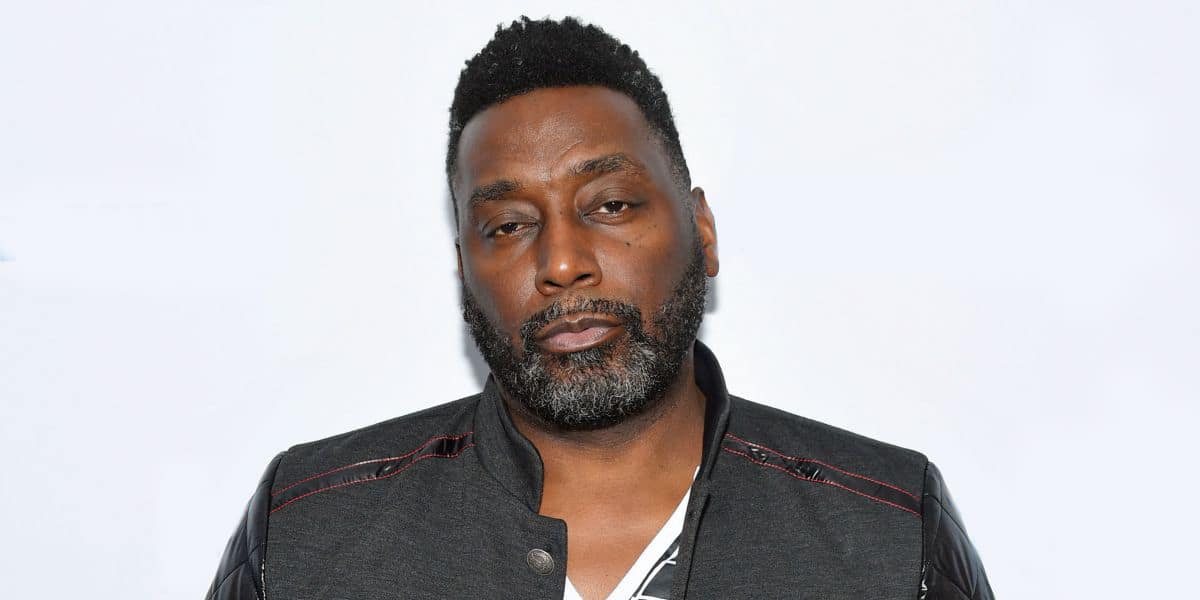
What makes the backlash even stronger is that Big Daddy Kane is still viewed as untouchable by many hip-hop purists. To older rap fans, Kane is not just another rapper from the past. He is one of the architects of modern MC culture. His influence on flow, performance style, fashion, and lyricism shaped countless artists who followed him. Even rappers from newer generations regularly cite Kane as a foundational figure in hip-hop history.
That is why so many people reacted emotionally to Max B’s comments.
To them, criticizing Kane is not just criticizing one artist. It feels like disrespecting an entire era that laid the groundwork for modern rap culture. The reaction became less about whether Max B is talented and more about protecting the legacy of the pioneers who helped create the lane newer artists now profit from.
Still, others argue that hip-hop has always rewarded boldness.
They point out that almost every legendary rapper once made outrageous claims about themselves. Battle rap culture was built on ego, competition, and self-promotion. In that sense, Max B declaring himself greater than legends follows a tradition as old as rap itself. The difference is that social media now amplifies every statement instantly, turning controversial comments into global discussions within minutes.
Meanwhile, Big Daddy Kane himself has remained relatively calm throughout the controversy. That silence has only increased respect for him among many fans who see it as proof that true legends do not need to fight for validation online. His supporters argue that his decades-long legacy already speaks for itself.
As the debate continues spreading across podcasts, YouTube channels, and social media timelines, one thing has become clear: this situation was never really just about Max B versus Big Daddy Kane. It exposed a much bigger divide inside hip-hop culture — the ongoing tension between honoring the past and celebrating the present.
And in today’s internet-driven rap world, where every controversial opinion becomes viral content overnight, those generational battles are only becoming louder.