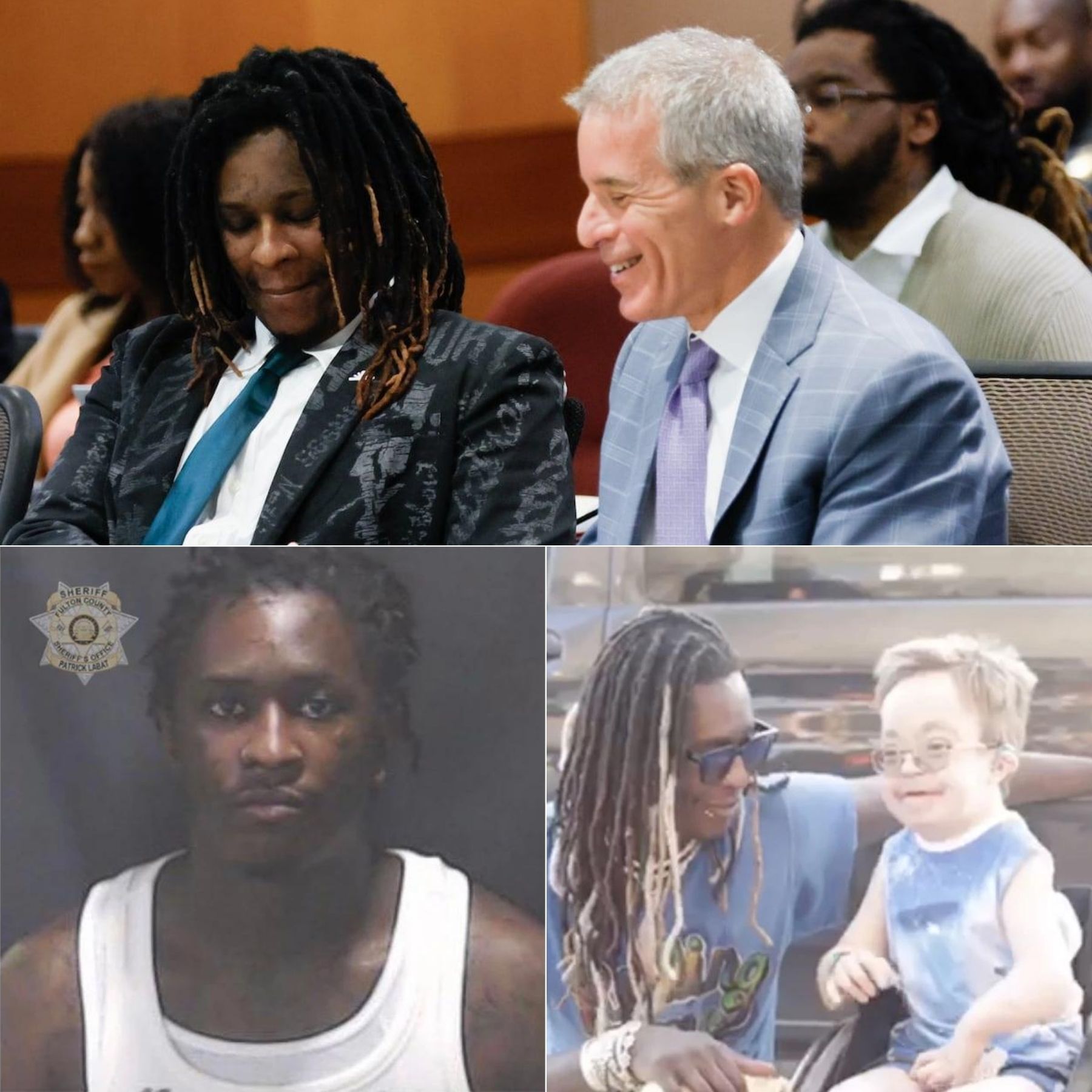
When Young Thug rose to fame in the 2010s, he was celebrated as one of the most creative and unpredictable artists in modern hip-hop. Known for his unique voice, unconventional fashion, and chart-topping collaborations, Young Thug became a defining figure in Atlanta rap culture. But in 2022, his career took a dramatic turn after prosecutors accused him of helping lead a criminal street gang in a sweeping case that stunned the music industry.
The controversy centered around YSL, short for “Young Slime Life,” which prosecutors in Atlanta alleged was not just a music label and rap collective, but also a violent criminal organization connected to murders, drug trafficking, armed robberies, and gang activity. Young Thug, whose real name is Jeffery Williams, was among more than two dozen individuals indicted in the massive racketeering case.


The indictment immediately sent shockwaves through hip-hop because Young Thug was not only a superstar rapper, but also a major influence on a generation of artists. Prosecutors argued that YSL operated as a criminal gang tied to the nationally known Bloods street gang. Authorities claimed that crimes connected to the group stretched back for years and involved shootings, carjackings, and drug offenses.
One of the most controversial aspects of the case involved rap lyrics. Prosecutors pointed to Young Thug’s music videos, social media posts, and lyrics as part of their evidence. Defense attorneys and many figures in the music industry strongly criticized that strategy, arguing that rap lyrics are artistic expression and should not automatically be treated as criminal confessions.
The debate quickly expanded beyond the courtroom. Fans, activists, and musicians accused prosecutors of unfairly targeting hip-hop artists in ways that artists from other genres rarely experience. Supporters of Young Thug claimed the case represented a dangerous attack on artistic freedom and Black culture. Others argued that if criminal activity occurred, fame should not protect anyone from prosecution.

As the case moved forward, it became one of the longest and most chaotic trials in modern Georgia history. Jury selection alone took months, while courtroom arguments repeatedly made national headlines. Several co-defendants accepted plea deals, while others continued fighting the charges in court.
Young Thug remained jailed for an extended period as his legal team repeatedly requested bond and challenged parts of the prosecution’s case. His imprisonment deeply affected the music world, with many artists publicly supporting him and demanding his release. Social media campaigns calling for “Free Thug” spread widely across the internet.
The YSL indictment also intensified conversations about the blurred line between rap entertainment and real street violence. Drill music and gang-related rap had already faced increasing scrutiny across the United States, particularly in cities struggling with violent crime. The Young Thug case became one of the clearest examples of prosecutors attempting to connect rap culture directly to organized criminal activity.
Despite the legal battle, Young Thug’s influence on hip-hop remained enormous. Artists across rap, pop, and trap music continued to credit him for changing the sound of modern music. His experimental vocal style and fashion choices helped redefine what a rap superstar could look and sound like.


Today, the YSL case is viewed as one of the most important and controversial legal battles in modern hip-hop history. To critics, it exposed dangerous connections between gang culture and parts of the rap industry. To supporters, it represented a troubling example of law enforcement criminalizing rap music and artistic identity. Either way, the indictment of Young Thug permanently changed the conversation surrounding hip-hop, crime, and freedom of expression in America.

