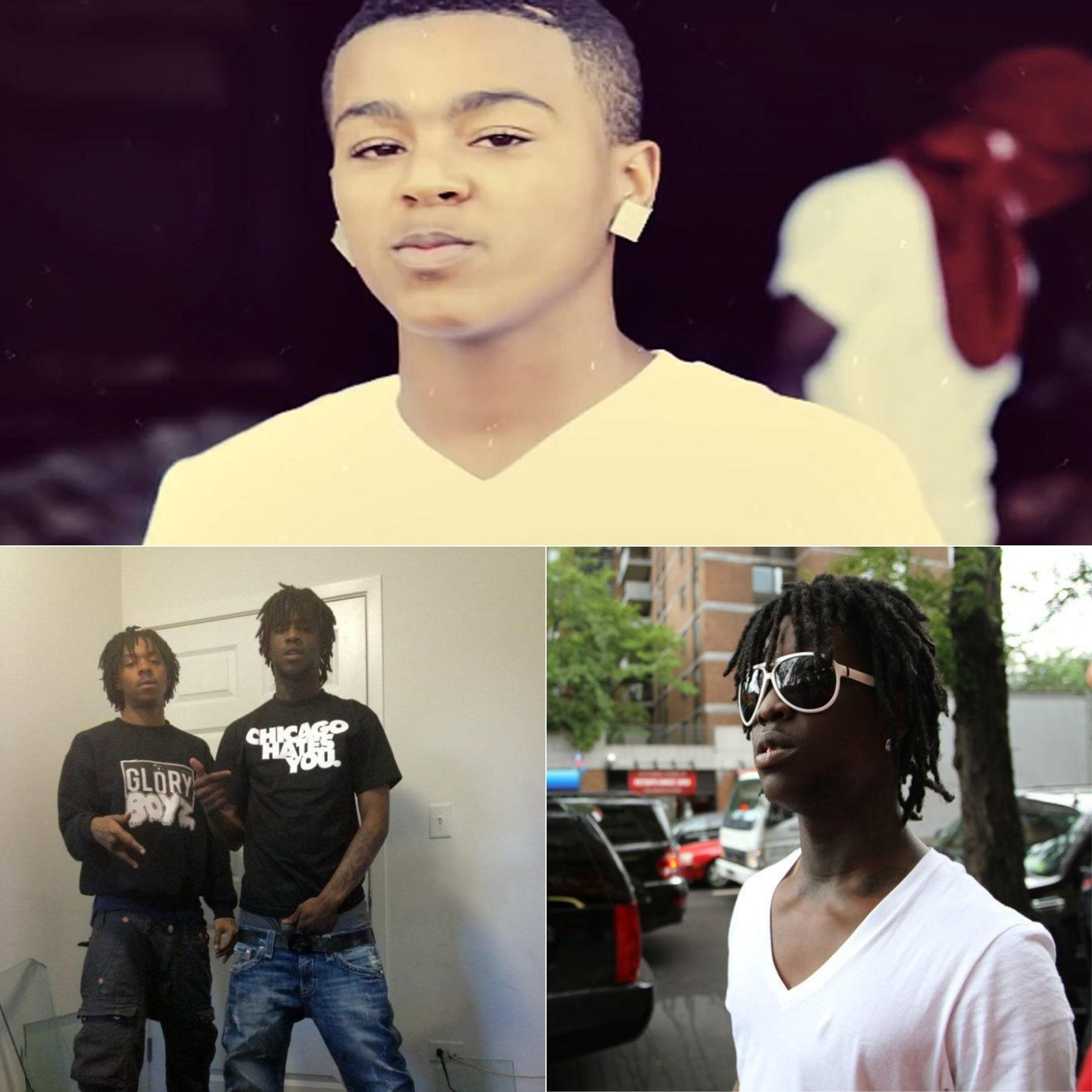
The conflict involving Chief Keef and Lil JoJo became one of the most discussed and tragic early chapters in the rise of Chicago drill music. What started as online insults and neighborhood tension escalated into a wider cultural controversy that reflected the real dangers surrounding the drill scene in Chicago during the early 2010s.
At the time, Chief Keef was already becoming a national figure thanks to viral success with songs like I Don’t Like. His raw style and drill sound represented a new wave of Chicago rap that focused heavily on street life, conflict, and survival. However, his rapid rise also placed him at the center of increasing scrutiny and rivalry within the local rap community.
Lil JoJo, a young rapper from Chicago’s South Side, emerged as one of the most vocal critics of Chief Keef’s circle, known as Glo Gang. JoJo released diss tracks and social media videos that directly challenged Keef and his affiliates, accusing them of misrepresenting street credibility and fueling real-life tensions through music and online behavior.


As the feud escalated, both sides used YouTube, Twitter, and early viral platforms to exchange insults and warnings. In drill music culture at the time, diss tracks were not just entertainment — they often reflected real neighborhood conflicts, making public rivalries feel far more serious than typical rap beefs.
Tensions reached a breaking point in September 2012 when Lil JoJo was shot and killed in Chicago. His death immediately sparked shockwaves across the hip-hop community and intensified national attention on drill music and its connection to street violence. Authorities investigated the case, but no direct criminal charges tied to public rap disputes were ever officially confirmed as the motive.


The incident also triggered widespread debate about the role of drill music in Chicago’s violence crisis. Critics argued that rap rivalries like Chief Keef vs. Lil JoJo blurred the line between music and real-life conflict. Supporters of drill music pushed back, saying the genre simply documented the harsh reality of neighborhoods affected by poverty, gangs, and systemic issues.
Chief Keef, already under heavy media attention at the time, publicly denied any involvement in Lil JoJo’s death and expressed shock over the killing. However, the situation added further controversy to his rising fame and intensified the scrutiny around his music, image, and associates.
The broader Chicago drill scene became a national talking point after the incident. Law enforcement, journalists, and politicians began paying closer attention to drill artists, while the music industry debated whether the genre was being unfairly blamed for violence or whether it reflected deeper social problems that needed addressing.
Today, the Chief Keef vs. Lil JoJo situation is remembered less as a traditional rap battle and more as a turning point in drill music history. It highlighted how quickly online rivalries could escalate in real life and forced a national conversation about the intersection of music, youth culture, and urban violence in Chicago.