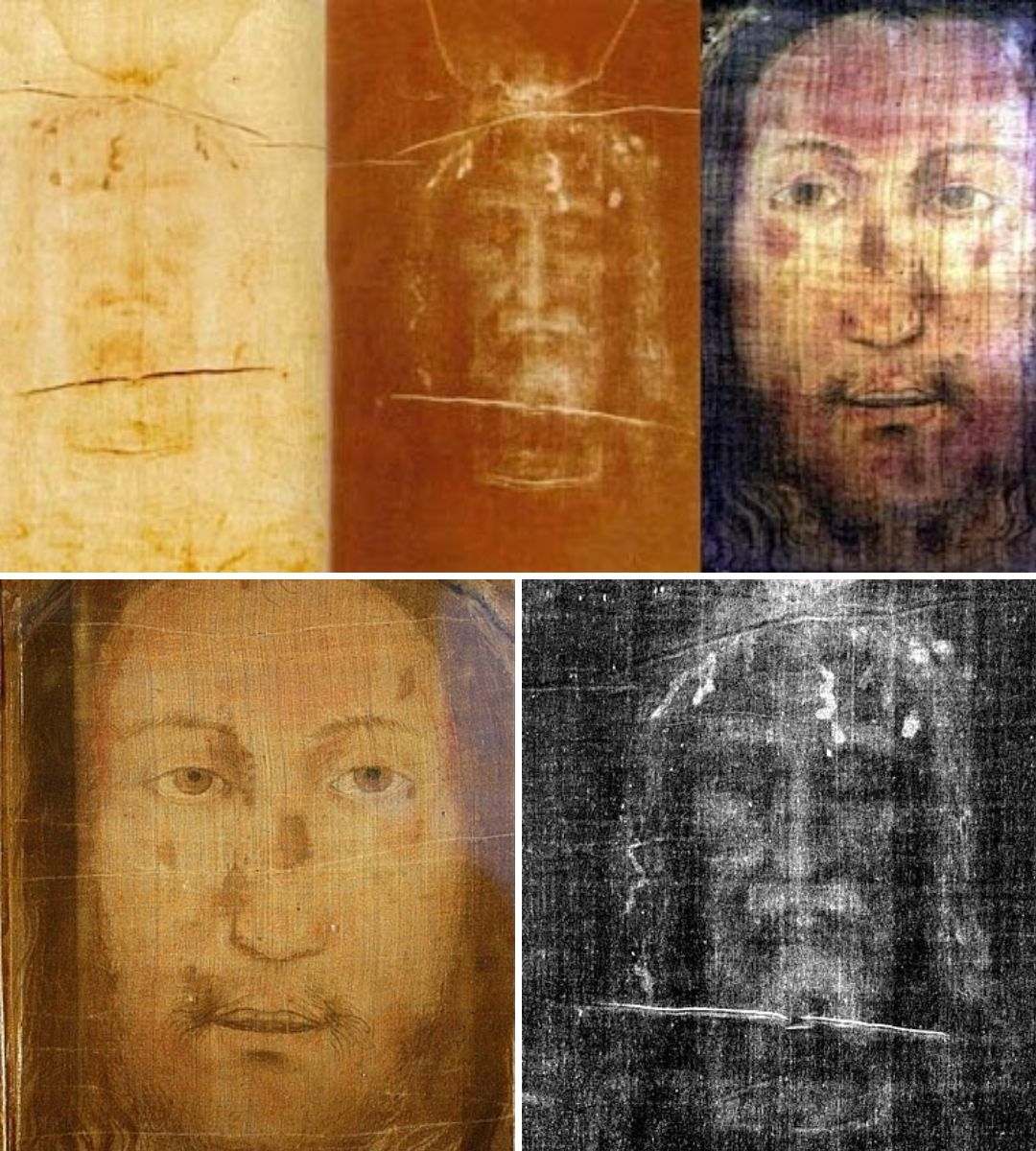
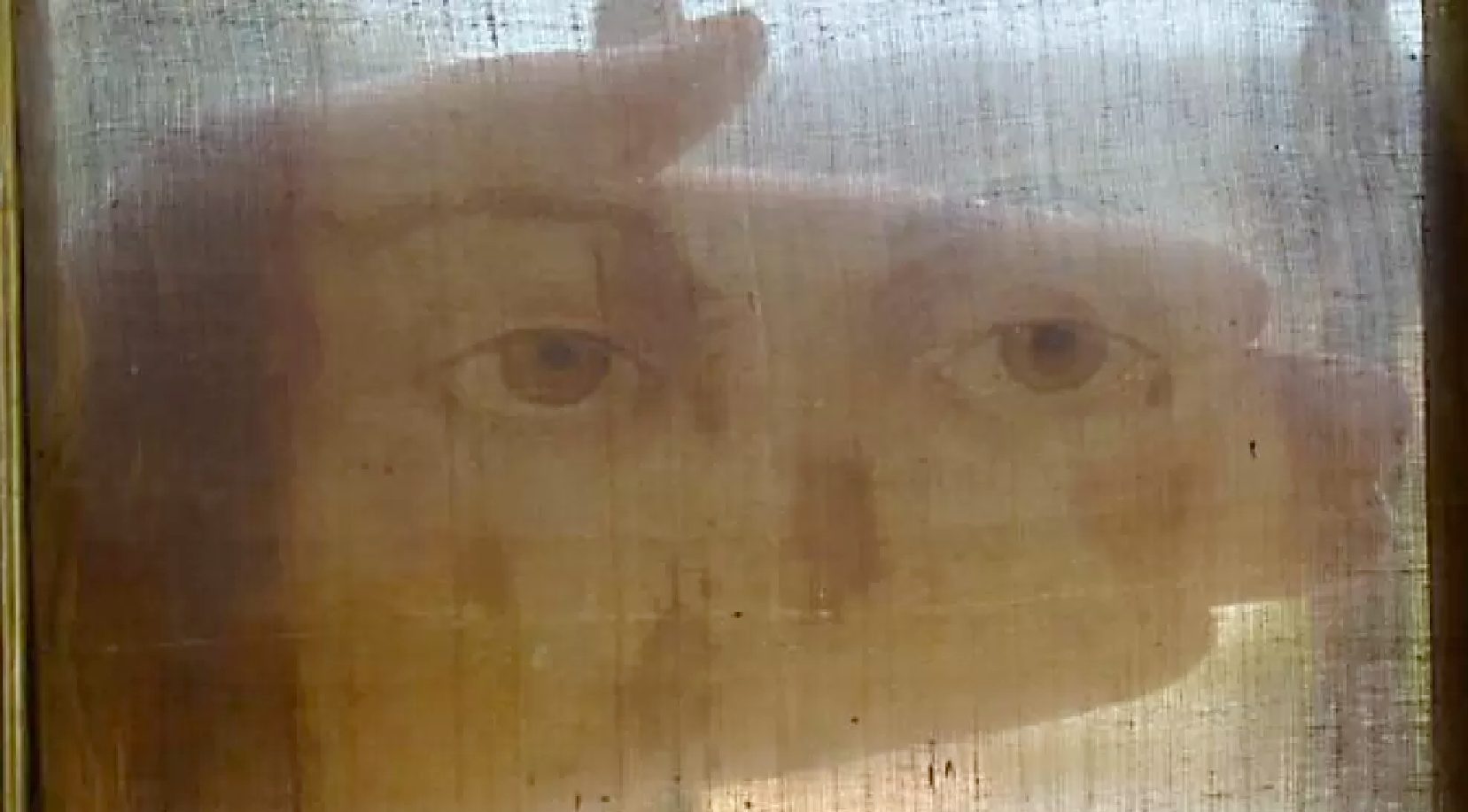
In the quaint Italian town of Manoppello, a remarkable relic has captured the attention of both the faithful and the scientific community alike. Nestled within the Basilica Volto Santo, this shroud—measuring just 17 by 24 centimeters—holds an image that many believe to be the Face of the Risen Christ, a sight that has sparked wonder and investigation for over two decades.

The origins of this extraordinary cloth remain shrouded in mystery. Researchers have concluded that the image is not a product of human artistry. In fact, extensive studies conducted by leading scientists have revealed that the shroud’s depiction of Christ’s face defies conventional explanation. Much like the revered Shroud of Turin and the miraculous image of Our Lady of Guadalupe, the findings suggest that this relic is not a painting but something far more enigmatic.
In the late 1990s, Professor Donato Vittore from the University of Bari utilized high-resolution digital scanning to explore the fabric’s composition. His findings were astonishing: there were no traces of colored pigments present. Further analysis by Professor Giulio Fanti from the University of Padua reinforced this conclusion, showing that neither the shroud nor the image exhibited any fluorescence, which would typically indicate the presence of paint.
What truly sets the Manoppello shroud apart is its unique transparency. The image can be seen from both sides, almost as if it were a delicate veil. Under varying light conditions, the face appears to change, creating an illusion of life that has left scientists and theologians alike in awe. This remarkable phenomenon suggests characteristics of a painting, a photograph, or even a hologram, yet it is none of these.

The fabric itself is equally fascinating. Crafted from byssus, or marine silk, the shroud is made from threads so fine that they surpass even modern synthetic fibers. Professor Fanti’s research indicates that the intricate weaving of this ancient fabric makes it nearly impossible to apply paint in any traditional sense. The colors seen in the image shift between shades of amber, silver, and gold, creating an ethereal effect that can only be appreciated under specific lighting.
The shroud’s history is further enriched by the words of Maria Valtorta, an Italian mystic whose writings were published under the guidance of Pope Pius XII. In her accounts, Jesus reportedly spoke of the Veil of Veronica as a testament to faith, urging skeptics to compare the images of the Manoppello shroud and the Shroud of Turin. According to her revelations, both faces belong to the same divine figure, serving as a bridge between the living and the dead.
Sister Blandina Paschalis Schlömer, an expert in iconography, has dedicated years to studying the shroud. Her research suggests a remarkable correlation between the facial features of the deceased Christ on the Shroud of Turin and the living visage found in Manoppello. She asserts that the two images align perfectly in structure and dimensions, further deepening the mystery surrounding this sacred artifact.
As the debate surrounding the shroud continues, one question remains: what secrets does this extraordinary relic still hold, and how might it shape our understanding of faith and history?