More than ten months after being sentenced to four consecutive life terms without parole for the brutal murders of four University of Idaho students, new reports about Bryan Kohberger’s life behind bars are drawing significant attention.
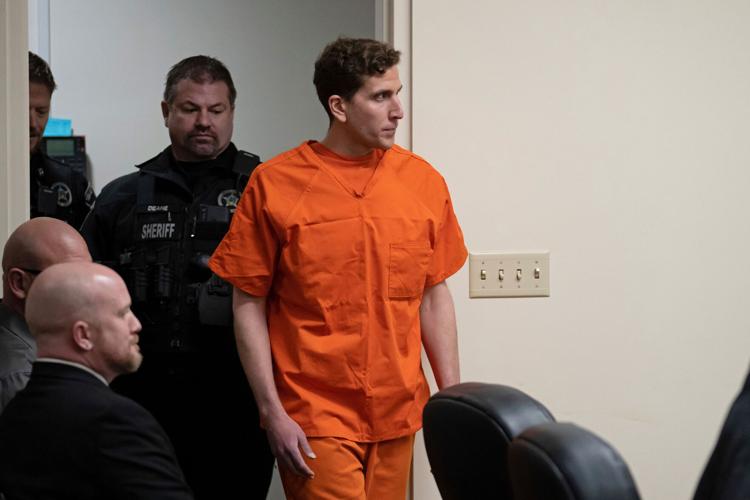
According to sources close to the Idaho Maximum Security Institution in Kuna, where Kohberger has been held since July 2025, the convicted killer has already filed multiple formal complaints shortly after his arrival. Prison guards and fellow inmates describe him as maintaining a cold, controlled demeanor similar to his courtroom appearances, while also exhibiting signs of frustration and behavior that some have labeled as “disturbing.”
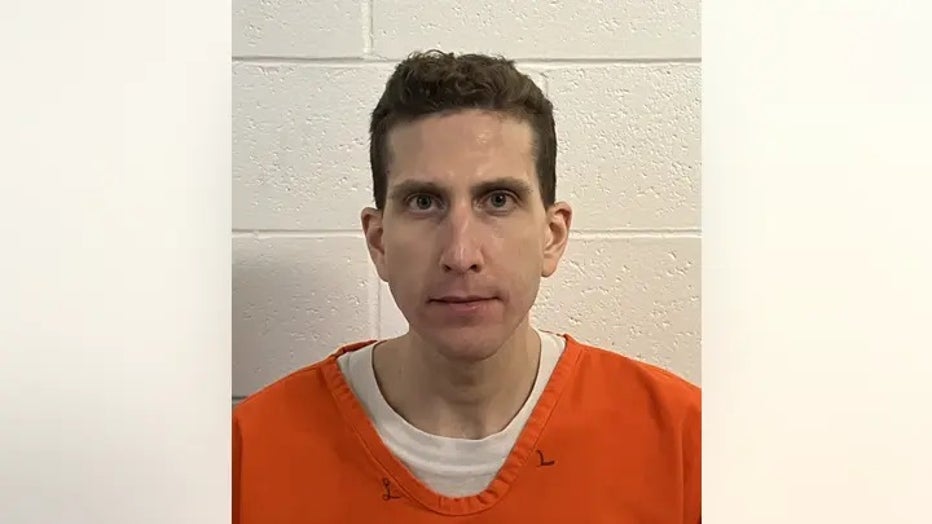
Reports mention repeated confrontations with other inmates, frequent grievances about detention conditions (food, isolation, and privileges), and what appears to be difficulty accepting his permanent reality. One anonymous guard reportedly described Kohberger’s behavior as “troubling,” noting that he still seems to believe he is above the common rules of prison life.
These latest revelations contrast sharply with the emotionless persona Kohberger displayed during his court hearings. For many observers, they raise further questions about his true psychological state and how he is coping with a lifetime of solitary confinement and total loss of freedom.

The University of Idaho murders, which shocked the nation in November 2022, continue to captivate the public even after Kohberger’s guilty plea. As more details about his daily prison existence surface, they fuel ongoing debates about justice, criminal psychology, and the long-term consequences of such horrific crimes.