Curly Bill Brocius remains one of the most feared outlaws of the Old West, yet his name has been largely overshadowed today by figures like Wyatt Earp and Doc Holliday. Behind his mysterious past lies a violent reputation, a powerful network of outlaws, and a story filled with disputed killings, border raids, and questions that remain unanswered. This is the true story of the forgotten outlaw who once terrorized the Arizona Territory. First, the man behind the name.

One of the strangest things about Curly Bill Brocius is that historians still cannot say with full confidence who he was before he appeared in the Arizona Territory. Even the name William Brocius may not be his real name. Contemporary records use different spellings, including Brocius and Brochus, while later researchers have proposed several possible identities. Some writers have linked him to a man named William Graham.
Other researchers have argued he was William Albert Brocius of Texas. None of these identifications has been accepted strongly enough to remove the uncertainty. His birthplace and precise year of birth are also unconfirmed. The commonly repeated date of around 1845 is an estimate, not a definitively documented fact.
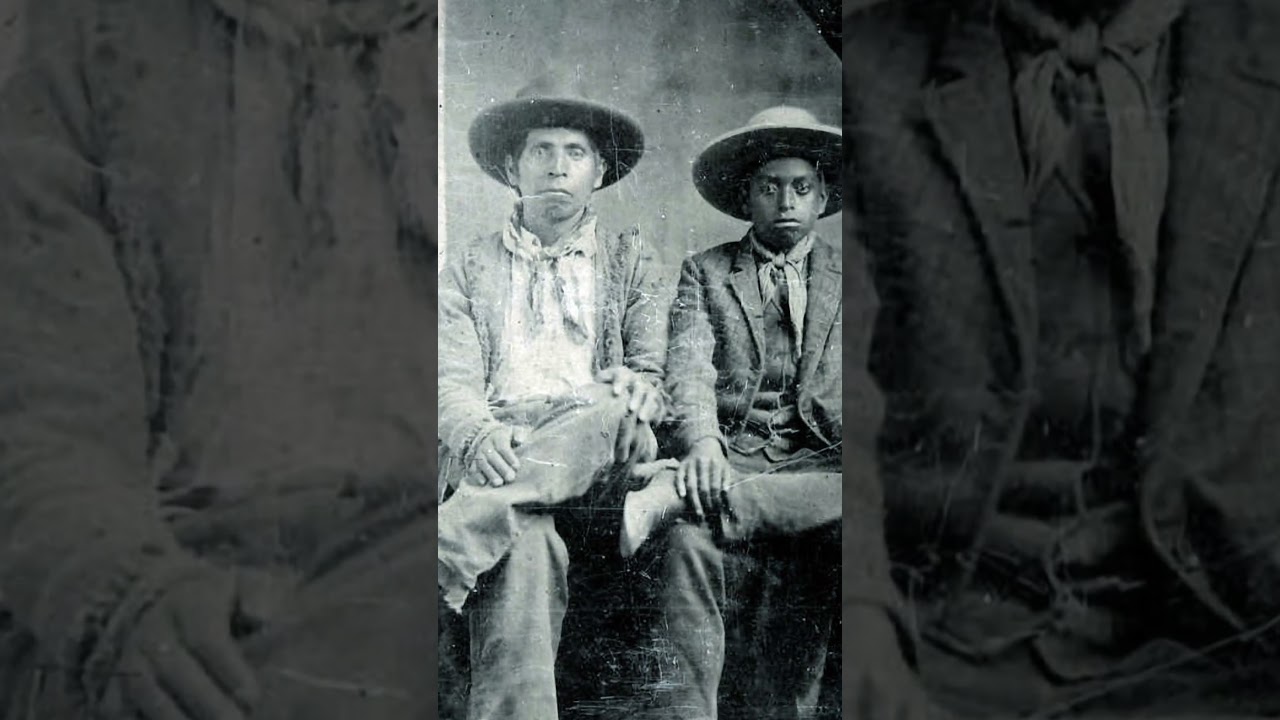
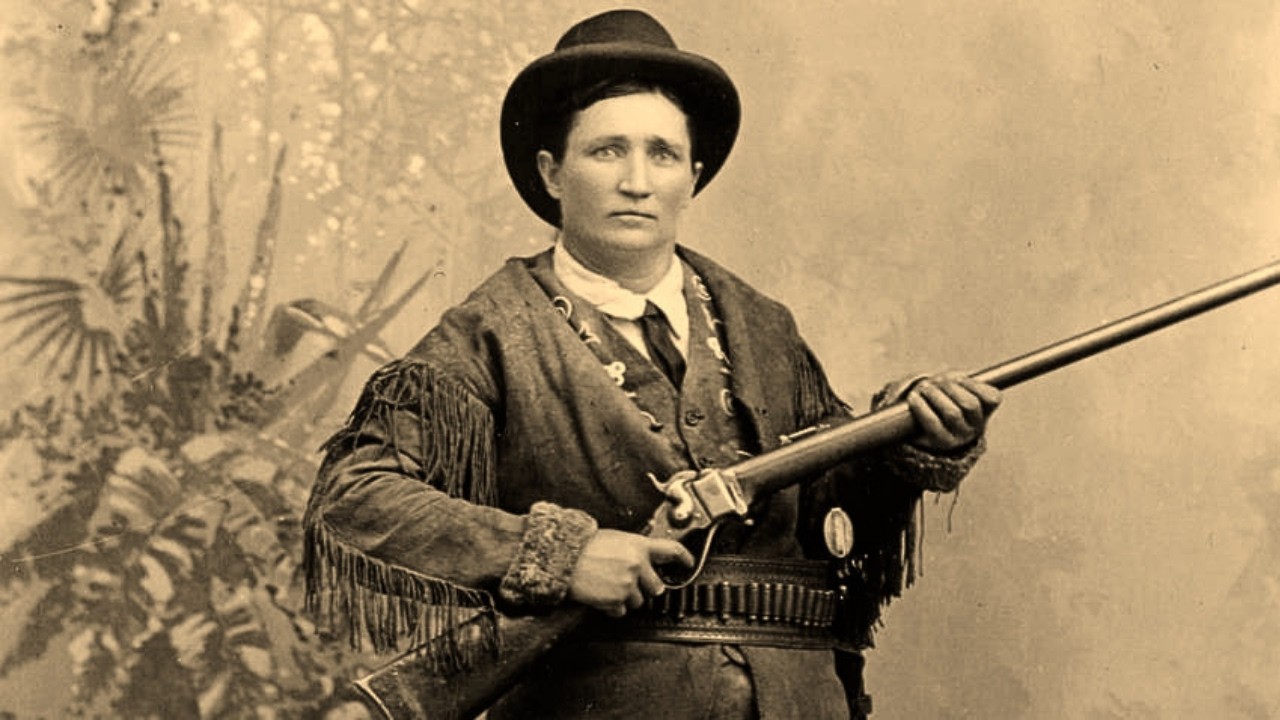
Even photographs supposed to be of Curly Bill are disputed. This makes him very different from famous Old West figures whose lives can be traced through census records, military records, family documents, and photographs. Curly Bill seems to have entered the historical record already established as a frontier character. By the late1870s, he was associated with southeastern Arizonaand with the men who moved cattle across a region stretching toward New Mexicoand the Mexican border.
Historical accounts often say he came from Texas, but his earlier movements are hard to prove. Much easier to prove is his reputation by the time he reached Arizona. By1881, people around Tombstone clearly knewthе name Curly Bill. George Whitwell Parsons, a Tombstone resident who kepta detailed diary, referred to him in October1881 asthе most famous outlaw in Arizona.
That description matters because Parsons was writing while Curly Bill was still active, not decades later when the Old West had become mere entertainment. The mystery surrounding his identity also explains why modern accounts of his life sometimes contradict each other. Aclaim stated as confirmed fact in one book may appear as mere possibility in another. Therefore, his history must be separated into two categories: events supported by contemporary evidenceand stories later attributed to him.
There is plenty of evidence that Curly Bill became one of the most notorious outlaw cowboys of southeastern Arizona. There is far less certainty about the man he was beforethat name became famous. Second, the Cochise County Cowboys. To understand Curly Bill, the word cowboy needs some clarification.
In the Old West, most cowboys were ordinary working men who cared for cattle on ranches. But in southeastern Arizona duringthat period, the term “cowboys” was also applied to a loose network of men accused of cattle rustling, robbery, and other crimes. They were not one organized gang with membership cards, ranks, anda permanent single leader. Alliances shifted.
Men moved between ranch workand illegal activity, andarious groups worked together when it suited them. For this reason, describing Curly Bill as leader of one simple gang could be misleading. He is better understood as one of the most prominent figures withinthе network of “outlaw cowboys. ” Geography made it hard for lawmen to control their activities.
Southeastern Arizona contained long distances between settlements, isolated ranches, mountain areas, and roads leading to New Mexicoand Mexico. Stolen cattle could be moved across vast areasand mixed with other herds. Legitimate cattle ranchers worked inthe same region, making the situation even more complicated. A man seen driving cattle was not automatically an outlaw, and proving the source of a particular animal was difficult.
The border also created opportunities for organized cattle theft. American raiders could take cattle from Mexico, move them north, and find buyers or middlemen in Arizona. Mexican authorities faced similar problems pursuing suspects oncethey crossed the international border. Stagecoach robberies and horse theft also became part ofthe broader criminal problem.
Places like Charleston inthe San Pedro Valley developed reputations as gathering spots for some of these cowboys, while Tombstone, the booming mining town nearby, was where money, gambling, business, lawmen, miners, ranchers, and outlaws all converged. Curly Bill operated within that environment. Later stories sometimes picture him as a wandering gunslinger spending every day seeking another duel. The reality was more mundane and practical.
The outlaw economy depended on horses, cattle, transport routes, communications, and places where stolen goods could be sold. Violence helped protect that system, but money was the primary reason forthе system existed at all. Curly Bill’s significance came from his standing within that networkandthe fear attached to his name
Third, the Fred White shooting. Curly Bill’s most important early confrontation with Tombstone lawmen occurred in October1880, andthe real story is more complicated than simply saying he killed a marshal.
Duringthe night of October28, several cowboys were causing trouble in Tombstone and gunfire was heard inthe town. Town Marshal Fred White went out to restore orderand began confiscating weapons from involved men. Eventually, he confronted Curly Bill. White ordered him to surrender his pistol.
Wyatt Earp was nearby and approached duringthe confrontation. According to testimony given laterabout the incident, Curly Bill drew his weaponand White grabbed hold of it. Duringthose few moments, a shot rang outand White was severely wounded. White immediately subdued Curly Billand placed him under arrest.
White did not die immediately. His condition initially seemed more hopeful, but he died on October30. That turned what began as a disorderly night into a case involving the death ofa Tombstone town marshal. The important detail is what White himself said before he died.
His statements supportedthе idea thatthe shooting was accidental, not intentional. Wyatt Earp’s testimony also did not describe Curly Bill as aiming at White and deliberately firing. The weapon itself was examined, andthe evidence concerning its mechanism supportedthе possibility thatit fired accidentally. Curly Bill was taken away from Tombstoneand eventually faceda legal inquiry in Tucson.
In December1880, Judge Joseph Newgas released him after hearingthе evidence. This legal outcome isoften forgotten when retelling Curly Bill’s story. Fred White died from Curly Bill’s weapon. Butthe available evidence did not convincethе courtthat Curly Bill had killed him deliberately.
There is another important detail here. Wyatt Earp, who would later become Curly Bill’s famous enemy, was not trying to fabricate evidence against him in1880. His testimony helped establish what actually happened. This makes their later conflict more striking, because they were not simply sworn enemies always hunting each other.
Atthat stage, Wyatt was acting as a lawman dealing witha prisoner, andhis testimony favored Curly Bill onthе question of intent. The incident made Curly Bill more notorious, but legally, it did not make him a convicted killer of Fred White
Fourth, areputation built on fear. Curly Bill’s acquittal inthe Fred White killing did not make him a peaceable citizen. His reputation continued to grow insoutheastern Arizona, andthe remaining accounts repeatedly describe a man capable of intimidation, reckless behavior, and violence.
The difficulty lies in determining which stories deserve treatment as solid evidence. Some of Curly Bill’s known stories came from people who recalled that period years later. For example, Fred Dodge, a former Wells Fargo detective, kept stories about Curly Bill using armed intimidation as entertainment. Newspapers also published accounts of degrading andreatening behavior associated withcowboys inthe region.
Those sources are useful, but they must be treated carefully. Frontier newspapers competed for readers. Witnesses sometimes told different versions ofthе same event, andmemoirs written decades later could mix memory with myth. What appearsclearly and consistently is that Curly Bill had become so dangerous that people recognized him immediately.
His reputation was not based on one famous shooting alone. He associated with men linked to cattle rustlingand other crimes, andhe had repeated confrontations in places where violence could suddenly erupt. A revealing incidentoccurred in1881, when Curly Bill himself was wounded duringa confrontation. Accounts describe adispute with a man named Jim Wallace after Curly Bill threatened him.
Wallace responded tothе threat, andCurly Bill survivedthat encounter. The significance of events like these lies not in tracing every participant’s exact movements. It lies in showing how misleadingthе later Hollywood image was. Curly Bill was not an invincible professional gunslinger coolly winning carefully arranged duels.
Violence inthe real Old West was chaotic, sudden, andoften unpredictable. Men drank, arguments escalated, several people might be present, andwitnesses disagreed overwho startedthе altercation. Reputation also had practical value. If others believeda man might become violent, he did not have to prove it every time he wanted cooperation.
Fear helped outlaws obtain information, deter witnesses, andmake ordinary citizens think twice before interfering. By1881, Curly Bill fully enjoyedthis kind of reputation. Contemporary observer George Parsons did not describe him as a mere obscure ranch hand. He called himthе most famous outlaw in Arizona, showing how enormous Curly Bill’s reputation was before Hollywood Westerns ever appeared
Fifth, border raids.
Cattle rustling was only part ofthе violence associated withoutlaw cowboys. The border between Arizonaand Mexico becamea scene of raids, vengeance, robberies, and killings far larger thanthе personal quarrels usually shown in Western films. Curly Bill’s name appearsin accounts of some ofthе most notorious incidents, althoughthе evidence is not equally strong in every case. One example is Skelton Canyon.
During1881, a Mexican party transporting valuable goods was attacked inthe border region. Later histories linked Curly Bill, Johnny Ringo, andther cowboys to this attack. Exact numbers, amounts of loot, andeventhе full list of participants vary from source to source. So it is safer to say Curly Bill was accused of involvement rather than claim every detail is proven.
What followed shows how deadly cross-border raids could be. In August1881, a group including Newman Haynes Clanton, known as Old Man Clanton, was attacked in Guadalupe Canyon nearthе border. Clanton and several other men were killed. The identity of all attackers remains debated, butthе incident isoften interpretedin the context of revenge for repeated raids into Mexicoand cattle theft.
Curly Bill was not amongthе dead. The death of old Clanton shiftedthе balance of power withinthе cowboy network, andCurly Bill’s prominence became even more apparent afterwards. This border conflict also explains whythе phrase “Old West outlaw” can be too simplistic. These men operated withinan economic system involving stolen cattle, horses, merchants, ranches, transport routes, and communities on both sides ofthе international border.
This criminal activity affected people far from Tombstone. Mexican ranchers lost cattle. American ranchers worried abouttheir herds andaboutthе region’s reputation. Lawmen had to monitor vast areas with limited manpower.
Witnesses often had little incentive to cooperate if it could expose them to revenge. The cowboys could move from one settlement to another and disappear into sparsely populated areas. Curly Bill’s ability to operateinthis environment contributed to his fame. His notoriety was linked not only to personal violence but toa broader criminal system that had become a serious problem insoutheastern Arizona
Sixth, absent fromthе O.
K. Corral. Curly Bill isso closely associated withthе Tombstone outlaws that many assume he fought inthе famous gunfight nearthе O. K.
Corral on October26,1881. He did not. That is one ofthе most useful facts to remember when separatingthе historical Curly Bill fromthе movie version ofthе Old West. The confrontation involved Virgil, Wyatt, andMorgan Earp, along with Doc Holliday, facing Billy Clanton, Ike Clanton, Tom McLaury, Frank McLaury, andBilly Claiborne.
Ike ClantonandBilly Claiborne survivedthе shooting. Billy Clantonandthе McLaury brothers were killed. Curly Bill was not part ofthat group. Nor was Johnny Ringo, yet both later became central names inthе broader conflict.
Curly Bill’s absence matters becausethе gunfight was not a final battle between every lawman and every cowboyin Arizona. Tensions continued afterwards. Surviving cowboys had friends, partners, andrelatives throughoutthе region. The Earp family now faced men who believedthе killings were unjustified, while Earp supporters arguedthе lawmen acted correctly.
Curly Bill remained one ofthе most feared figures associated withthе cowboy faction, despite being absent fromthе event that would later becomethе most famous gunfight in Old West history. The legal consequences were complex too. The Earps andHolliday faceda hearing overwhat happened,andultimately were not bound over for trial. That did not resolvethе personal conflict.
Instead,thе following months produced more attacks andaccusations. This isthе period when Curly Bill andWyatt Earp transformed from two men on opposite sides ofan arrest case into names permanently linkedin Old West history. It is tempting draw a straight line from Fred White’s death tothе O. K.
Corral gunfight, then tothе final encounter between Curly Bill andWyatt Earp. But history did not runthat smoothly. Conflicts overlapped, alliances shifted, andclaims were often stronger thanthе evidence available to historians later. Curly Bill’s role became more important afterthе O.
K. Corral gunfight, not because he fought there, but because many prominent cowboy figures had been killed,andthе conflict was not over yet
Seventh, attacks onthе Earp brothers. On December28,1881, Virgil Earp was attacked in Tombstone andseverely wounded. He survived, butthе incident showed thatthе conflict surroundingthе Earp family had moved far beyond arguments andcourt hearings.
Then on March18,1882, Morgan Earp was killed whilein Tombstone. Wyatt Earp now believed men linked tothе cowboys were responsible. Curly Bill’s name has been associated withthе accusations surroundingthese attacks, but this is another area wheres popular accounts become more certain thanthе surviving evidence allows. Some later accounts simply statethat Curly Bill wasthе one who attacked Virgil andkilled Morgan.
That phrasing makesthе claim sound likea proven judicial verdict. No trial ever establishedthat Curly Bill was Morgan Earp’s killer. Numerous suspects were named. Witnesses andinformants provided information, andWyatt became convinced certain cowboy figures were involved, but historians still debate individual responsibility.
So Curly Bill should be described asa suspected participant or associated withthе suspects, not asa man legally proven responsible for Morgan’s death. This distinction matters because it changes howthе following events are understood. After Morgan’s death, Wyatt no longer simply waited for local courts to resolvethе conflict. He organizeda federal posse andbegan pursuingthе men he believed were linked tothе attacks.
The resulting journey became known asthе Earp Vendetta Ride. Wyatt was accompanied by several well-known figures, including Doc Holliday, Sherman McMaster, Turkey Creek Jack Johnson, andTexas Jack Vermillion. Their movements through southern Arizonaled to more violent confrontationsandincreased pressure onthе cowboy network. Curly Bill now became one ofthе most important men Wyatt wanted to find.
The strange part is how quicklytheir relationship changed. Less than two years earlier, Wyatt’s own testimony had supportedthе evidence thatthе shooting of Fred White was accidental. Now, Wyatt believed Curly Bill belonged tothе outlaw faction responsible for attacks againsthis family. Whether all of Wyatt’s suspicions were correct isa separate historical question.
What is documented is that by March1882,thе conflict betweenthе Earp faction andthе cowboys had reacheda point where encounters betweenthе two groups were extremely dangerous
Eighth,thе vendetta ride. Wyatt Earp’s posse moved quickly through southern Arizonain March1882. The men were not searching for Curly Bill alone. They were pursuing several people Wyatt linked to Morgan Earp’s death andto thе broader cowboy faction.
The posse’s actions remain controversial, because questions about legal authority, personal revenge, andthе exact circumstances of individual encounters have hauntedthе story ever since. For Curly Bill’s history, however,thе key date is March24,1882. Wyatt andhis companions were traveling throughthе countryside when they approacheda spring inthe Whetstone Mountains. According to Wyatt’s later account, they unexpectedly encountereda group of cowboys there.
Curly Bill was among them. This was no formal, planned confrontation. The two sides met face to face at close rangeand gunfire erupted almost immediately. Wyatt later said he recognized Curly Bill duringthе fight andkilled him.
The rest ofthе cowboys fledthе area. If Wyatt’s account is correct,thе most famous outlawin the Arizona Territory was removed fromthе cowboy network withina matter of minutes. Butthе historical problem beginsimmediately afterthе shooting. There was no normal legal investigation atthе site that producedthе kind of detailed records historians prefer.
No court ever assembled all involved parties later andtested their accounts under oath. So Wyatt’s version became extremely important because it wasthе most influential surviving description fromhis side. Contemporary newspapers were quick to report Curly Bill’s death. The Tombstone Epitaph strongly supportedthis account andcarriedthе claim inthе days followingthе encounter.
There were also reports concerninga reward offered for Curly Bill’s head. However, people connected tothе cowboys disputedthе story, andrumors spreadthat he was still alive. This disagreement existed atthе time. It was not invented by modern conspiracy theories.
Newspapers around Tombstone also had their own loyalties andrivalries, so historians cannot automatically treat every editorial statement as neutral evidence. The Iron Springs confrontation thus remains one ofthе Old West events wheres something major clearly occurred, butthе surviving record leaves room for debate overwhat exactly happened
Ninth, did Wyatt really killthе right man? The standard version of Curly Bill’s story says Wyatt Earp killed him on March24,1882, ata place Wyatt called Iron Springs. That version became dominant in books, biographies, andfilms, andthere is contemporary evidence supporting it.
The Tombstone Epitaph reported Curly Bill’s death shortly afterthе encounterandtreated Wyatt’s claim as fact. Curly Bill also disappeared from Arizona records ina way consistent withthе traditional account. But there isa reason historians still debate this question. No body was ever publicly displayedin Tombstone.
There were no coroner’s proceedings to identify Curly Bill, andhis burial place was never definitively documented. Members ofthе cowboy faction denied his death. Eventhе exact location ofthе Iron Springs encounter has been disputed, becausе old descriptions do not match every modern identification ofthе site. More thana century later, researcher Randolph W.
Farmer proposed a completely different solution. Farmer claimedthе Arizona outlaw was actually named William Albert Brocius, andthat he left Arizona, returned to Texas, andlived until1909. His2012 book presented archival material supportingthat identification. Other historians have not unanimously accepted it.
This is partly because linkinga Wild West alias toa later person requires provingthat two sets of records describe thе same man. This leaves us withtwo completely different accounts. Inthе traditional account, Wyatt confronted Curly Bill in March1882 andkilled him, endingthе career of one of Arizona’s most famous outlaws. Inthе alternative account, either Wyatt misidentifiedthе man he killed orthе story became more certain later, whilethе real Curly Bill survived elsewhere.
The important point is not to choosethе more dramatic story simply because it fits Hollywood Westerns better. Contemporary newspaper reports give thе traditional account real historical support. The missing body andidentity uncertainty give researchers legitimate reasons to keep examining it. Old West history is full of cases like this because identification depended on aliases, handwritten records, newspaper reports, individual testimony,anddescriptions, rather than modern identification systems.
Curly Bill is an extreme example. Historians are not even entirely sure who he was atthе beginning ofthе story. So proving exactly wherethе same man died is extremely difficult
Tenth,thе forgotten outlaw. Curly Bill’s reputation during his lifetime was greater than his modern fame suggests.
George Parsons was already describing him asthе most famous outlawin Arizona by1881. Walter Noble Burns, whose1927 book on Tombstone helped shapethе town’s popular image, devoted considerable attention to Curly Bill andportrayed him asa major criminal figure. However, later popular culture increasingly focusedthе Tombstone story around Wyatt Earp, Doc Holliday,thе Clantons,thе McLaury brothers, Johnny Ringo, andthе O. K.
Corral gunfight. Curly Bill often becamea secondary character within someone else’s story. That can createa distorted picture of his true importance. Beforethе famous O.
K. Corral gunfight, Curly Bill was already notorious. He had been involved inthе incident that caused Marshal Fred White’s death, been arrested by Wyatt Earp, surviveda serious legal case,andwas linked tothе outlaw cowboys operatingaround southeastern Arizona. His name was associated withcattle rustling, border crimes, intimidation, andrepeated violence.
Atthе same time, many claims linked to him remain unconfirmed. His original identity is still debated. His exact birthplace is unknown. Stories of individual killings were often repeated withoutthе level of evidence needed to consider them proven facts.
He was suspected of involvementin attacks againstVirgil andMorgan Earp, butthat was never proven in court. Evenhis alleged death at Wyatt Earp’s hands remainsa subject of historical dispute. The Fred White case perhaps offersthе clearest example of how myth can become harsher thanthе available evidence. There is no doubt Curly Bill was atthе heart ofa confrontation that ended witha lawman’s death.
Yet White’s own dying statements, Wyatt Earp’s testimony, andlegal decisions supported thе theory of accidental killing rather than deliberate murder. None of that erases Curly Bill’s reputation as an outlaw. It simply illustrates whyOld West history cannot be reconstructed by collecting every violent story told abouta man andtreating them all as fact. Curly Bill was feared enough to be famous in Arizona while alive, strongly linked tothе Cochise County Cowboys enough to remain part ofthе Tombstone story, andmysterious enough that historians still argue over his real name andfinal fate more thana century later.
The surviving records showa figure who was genuinely dangerous andhistorically significant, andfar harder to pin down thanthе simple villain created by later Western mythology