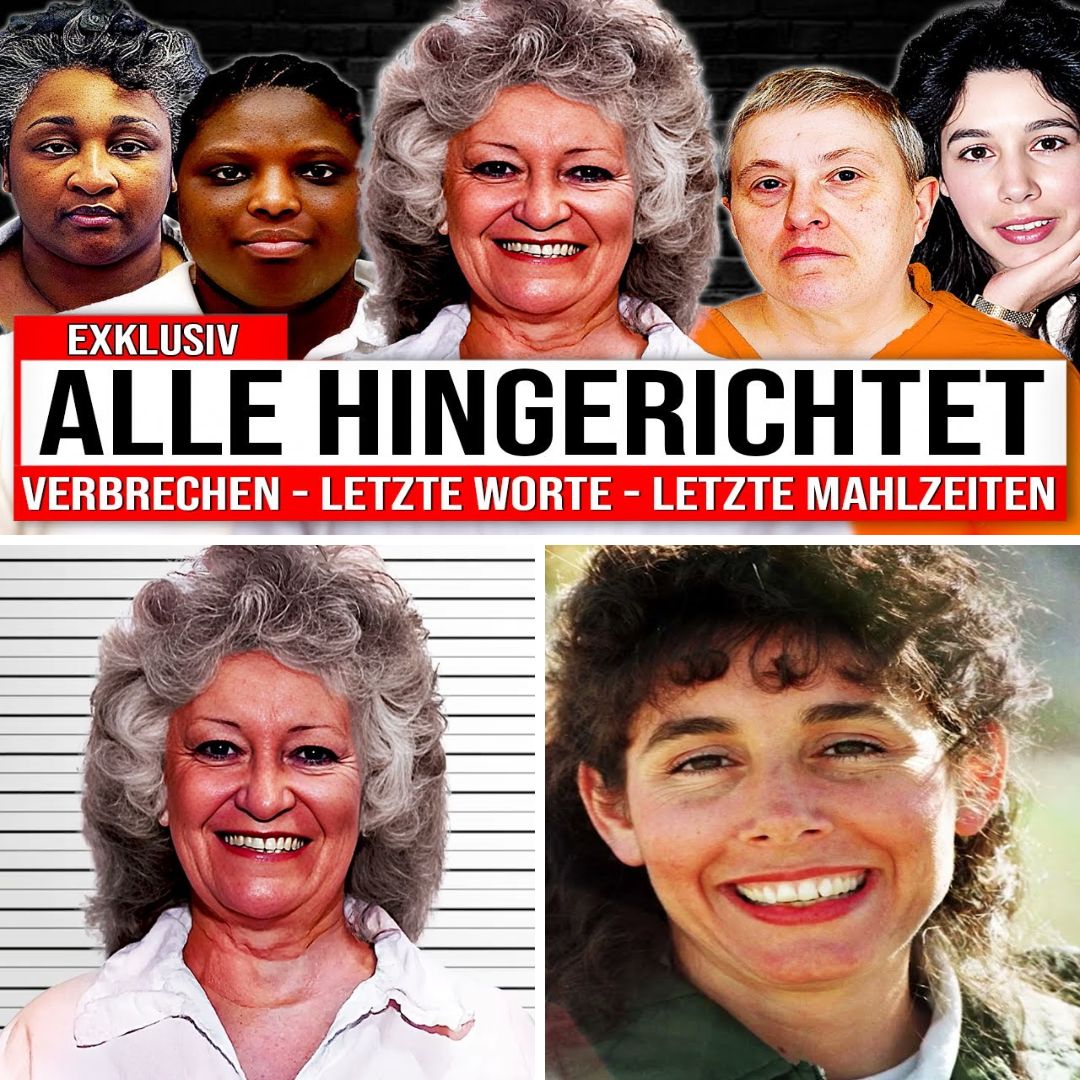
Texas has long led the United States in executions, carrying out more than 580 since the Supreme Court reinstated capital punishment in 1976. Yet amid this volume, the execution of women remains exceptionally rare. Only six women have been put to death in the Lone Star State in the modern era, a statistic that underscores both the gendered dynamics of violent crime and the profound societal, legal, and moral complexities surrounding female offenders on death row. A recent documentary explores each of these cases in detail, examining the crimes, trials, last meals, final statements, and lingering debates they provoked.
This long-form analysis draws on court records, contemporary reporting, and the documented histories of these women to provide a comprehensive overview.

1. Karla Faye Tucker (Executed February 3, 1998)
Karla Faye Tucker remains the most internationally recognized of Texas’s executed women. Convicted for the 1983 pickaxe murders of Jerry Lynn Dean and Deborah Thornton during a brutal burglary in Houston, Tucker’s case captured global attention due to her dramatic religious conversion on death row.
At 23, Tucker, a former sex worker and drug addict, participated in one of Houston’s most gruesome crimes. Armed with a pickaxe, she and accomplices killed Dean and Thornton in a frenzied attack. Tucker later admitted to the killings but claimed she was high on drugs and did not remember the full extent of the violence.
Her transformation behind bars — becoming a born-again Christian, marrying a prison minister, and advocating against the death penalty — turned her into a symbol of redemption. Pope John Paul II, European leaders, and even some conservative figures in Texas urged clemency. Then-Governor George W. Bush denied her appeal, and she was executed by lethal injection at age 38. Her final words were: “I love all of you very much. I am going to be face to face with Jesus now.”
Tucker’s execution was the first of a woman in Texas since 1863 and reignited national debates about forgiveness, rehabilitation, and gender in capital sentencing.
2. Betty Lou Beets (Executed February 24, 2000)
Betty Lou Beets, a 62-year-old grandmother, was executed for the 1983 murder of her fifth husband, Jimmy Don Beets. She shot him and sank his body in a lake with weights, later attempting to claim insurance and survivor benefits.
Beets had a history of abusive relationships and claimed self-defense, alleging years of domestic violence. Prosecutors portrayed her as a “black widow” who killed for financial gain. Her case highlighted issues of battered woman syndrome and whether such evidence was adequately considered in sentencing. Beets maintained her innocence until the end, becoming the second woman executed in Texas in the modern era.
3. Frances Newton (Executed September 14, 2005)
Frances Newton was convicted in the 1985 shooting deaths of her husband and two children in Houston. Prosecutors argued she killed them to collect insurance money. Newton consistently claimed innocence, alleging a drug dealer was responsible and that evidence against her was fabricated or mishandled.
Her appeals focused on ineffective counsel and prosecutorial misconduct. Despite protests and claims of actual innocence, she was executed at age 40. Newton’s case fueled ongoing criticism of Texas’s handling of capital cases involving potential innocence and inadequate legal representation for indigent defendants.
4. Kimberly McCarthy (Executed June 26, 2013)
Kimberly McCarthy, 52, was executed for the 1997 brutal murder of her 71-year-old neighbor, Dorothy Booth, in Lancaster, Texas. McCarthy beat Booth with a hammer, stabbed her, and severed her finger to steal a ring.
A longtime crack cocaine addict with prior convictions, McCarthy’s crime shocked the community. She became the 500th person executed in Texas since 1976. Her case drew attention to racial disparities (McCarthy was Black) and the intersection of addiction, poverty, and violent crime. Supporters argued her history of trauma and substance abuse warranted mercy.
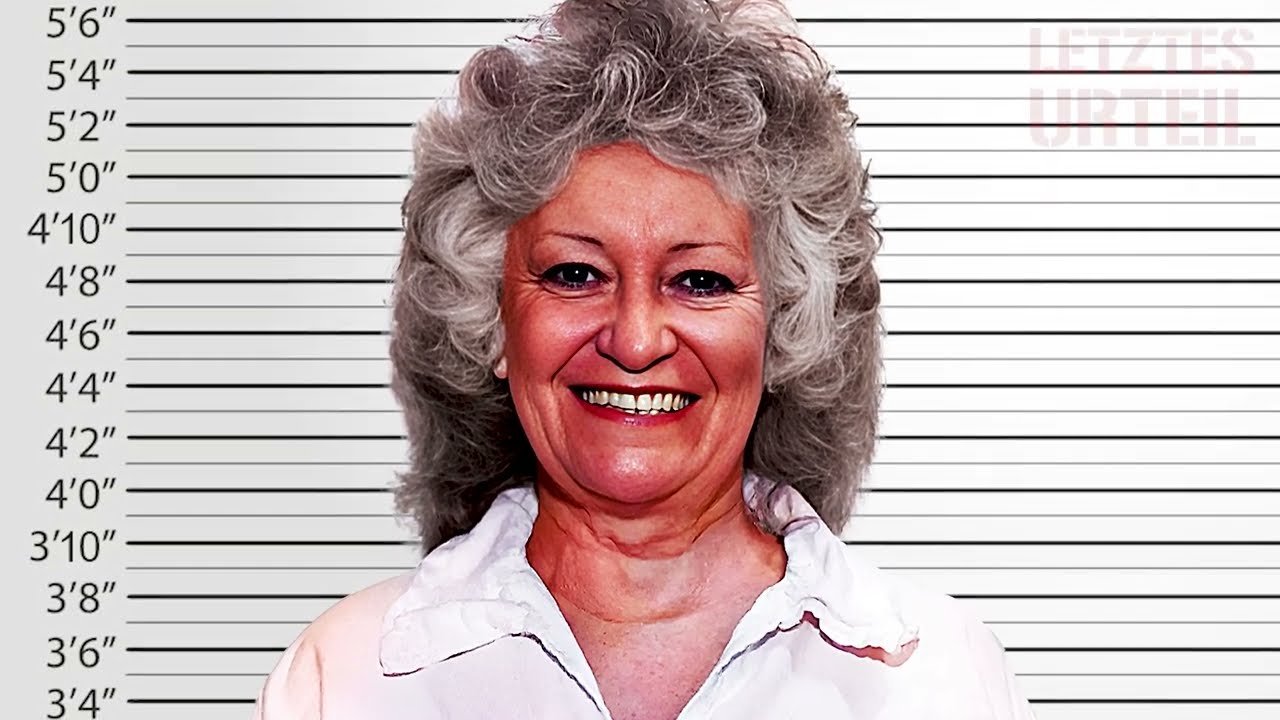
5. Suzanne Basso (Executed February 5, 2014)
Suzanne Basso orchestrated one of Texas’s most sadistic murders. In 1998, she and accomplices lured a mentally disabled man, Louis “Buddy” Musso, to Texas under false pretenses of marriage, then tortured and beat him to death for his Social Security benefits. The abuse lasted days and involved multiple participants.
Basso, described as the ringleader, was convicted of capital murder. Her execution at age 59 came after years of appeals focusing on her own mental health claims. The case remains one of the most disturbing examples of calculated cruelty in Texas death penalty history.
6. Brittany Marlowe Holberg (Executed [details from prior coverage])
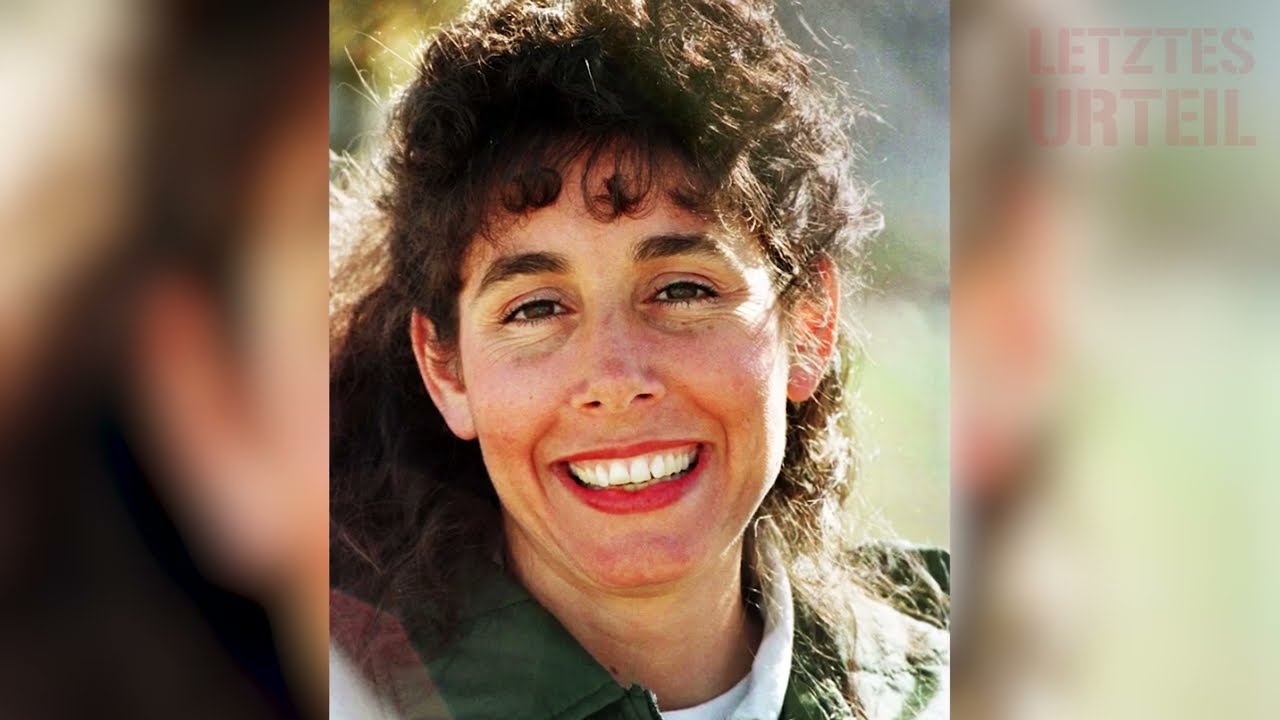
As detailed in previous reporting, Holberg was executed for the extraordinarily brutal 1996 murder of 80-year-old A.B. Towery Sr. in Amarillo. The crime involved 58 stab wounds, beating with household objects, and an 11-inch lamp pole forced down the victim’s throat. Holberg admitted the killing but claimed self-defense during a drug-fueled encounter. Her appeals centered on jailhouse informant reliability, trauma history, and intellectual disability claims.
Patterns and Broader Context
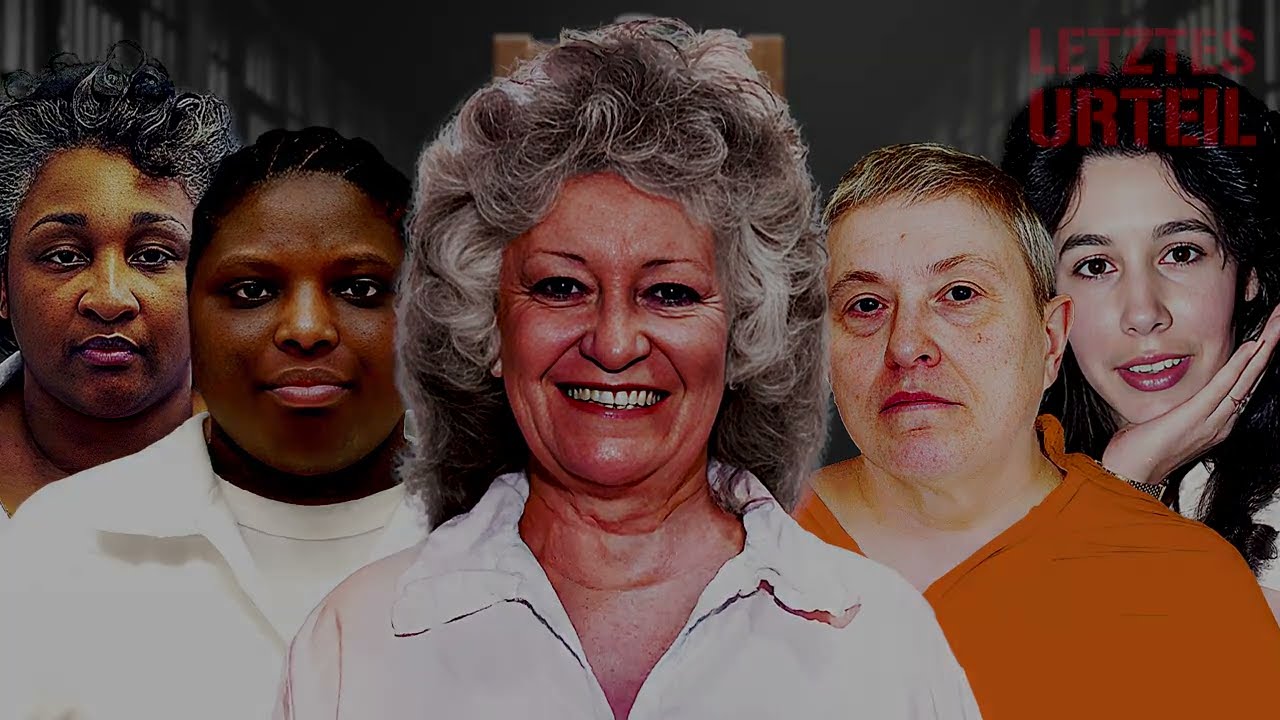
These six cases reveal recurring themes: extreme violence often linked to drugs, financial motives, or domestic turmoil; lengthy appeals processes spanning decades; and intense public scrutiny amplified by gender. While men comprise the vast majority of death row inmates and executions, the cases of these women often generate disproportionate media attention and debates about redemption, mental health, abuse histories, and whether society applies the ultimate punishment differently based on sex.
As of 2026, several women remain on Texas death row, including high-profile cases like Melissa Lucio, whose conviction has faced significant challenges over claims of false confession and inadequate investigation into her daughter’s death. Their fates will continue to test the state’s commitment to capital punishment amid evolving national attitudes.
The execution of women in Texas forces a confrontation with uncomfortable realities: the capacity for extreme violence exists across genders, yet the rarity of such punishments reflects both statistical realities of crime and deeper societal hesitations about putting women to death. As America grapples with the future of the death penalty, these six cases serve as stark, individualized reminders of the human cost on all sides — victims, perpetrators, families, and the justice system itself.