The 17-acre estate stretching from the Atlantic to Lake Worth Lagoon, with its 126 rooms and 36,000 antique tiles, was never supposed to survive the 20th century. It was a monument to a Gilded Age fortune, a palace built by a woman who commanded one of America’s great food empires, and it very nearly became rubble in 1985. The story of how Mar-a-Lago was saved, lost, and ultimately transformed into the political epicenter it is today begins not with architects or heiresses, but with a shipwreck and 20,000 coconuts that washed ashore on an uninhabited Florida barrier island in 1878.
That maritime accident transformed dense scrub into a tropical paradise that wealthy northerners soon discovered. Henry Flagler, the Standard Oil partner, arrived in 1893 and built the Royal Poinciana Hotel, then the Breakers, turning Palm Beach into the winter capital of American wealth. By the early 1920s, the island was a stage set for the nation’s elite, complete with social hierarchies and Mediterranean revival mansions.
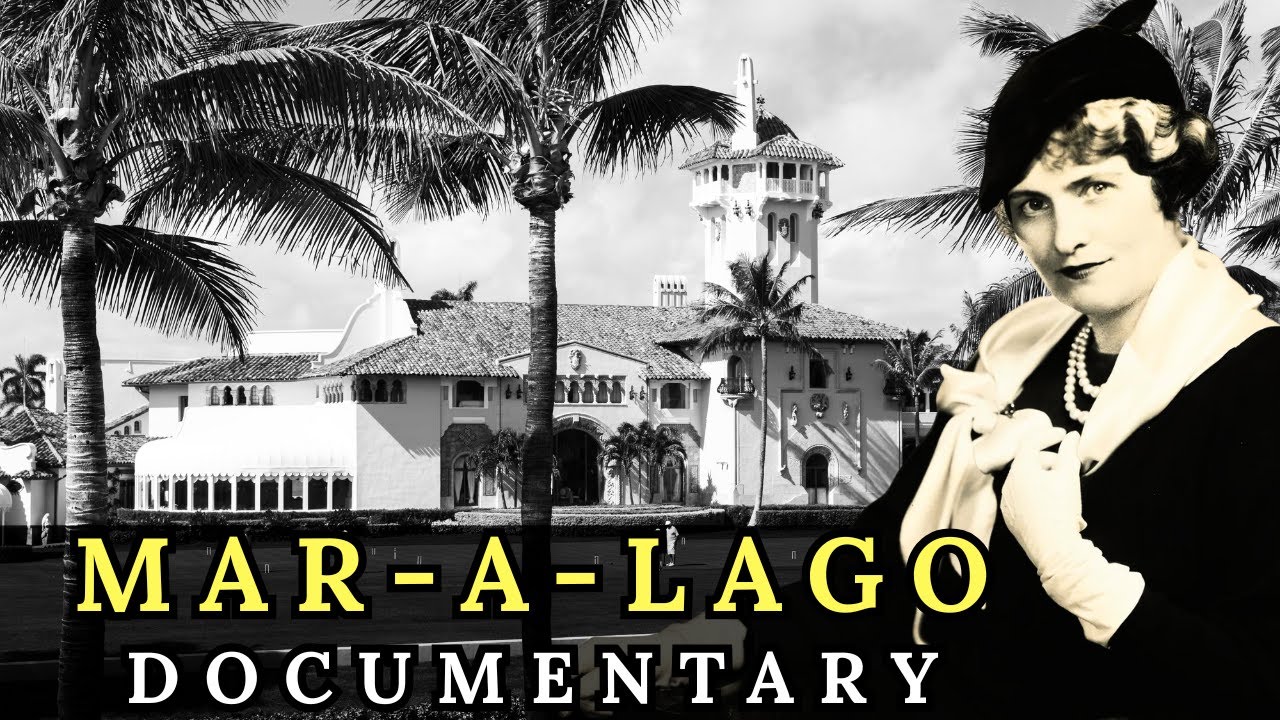 It was onto this carefully constructed paradise that Marjorie Merriweather Post, heir to the Postum Cereal fortune and soon-to-be architect of General Foods, stepped with a vision that would dwarf everything Flagler had built.
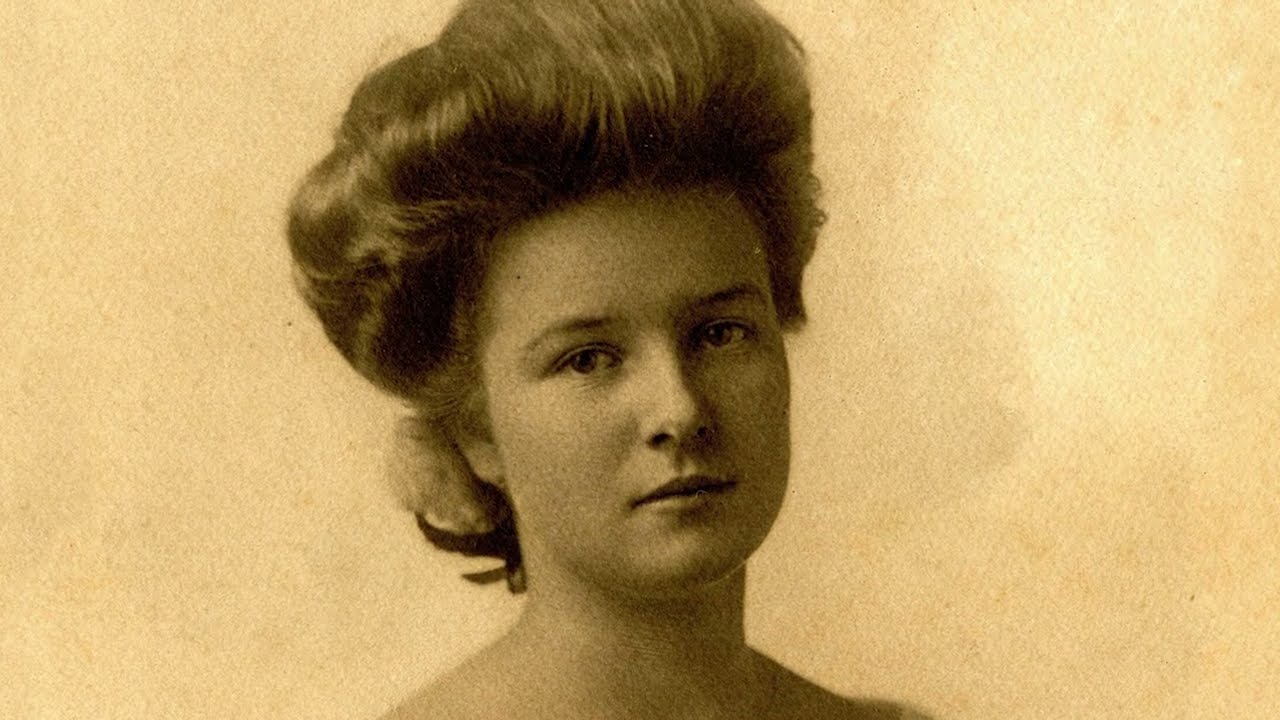
Post was 27 when her father, Charles William Post, took his own life in 1914, leaving her $20 million and control of a growing cereal empire. She married stockbroker Edward Francis Hutton in 1920, and together they transformed the company into General Foods, acquiring Jell-O, Maxwell House, and Bird’s Eye frozen foods along the way. By the mid-1920s, she was one of the most powerful businesswomen in America, but her personal life craved a stage.
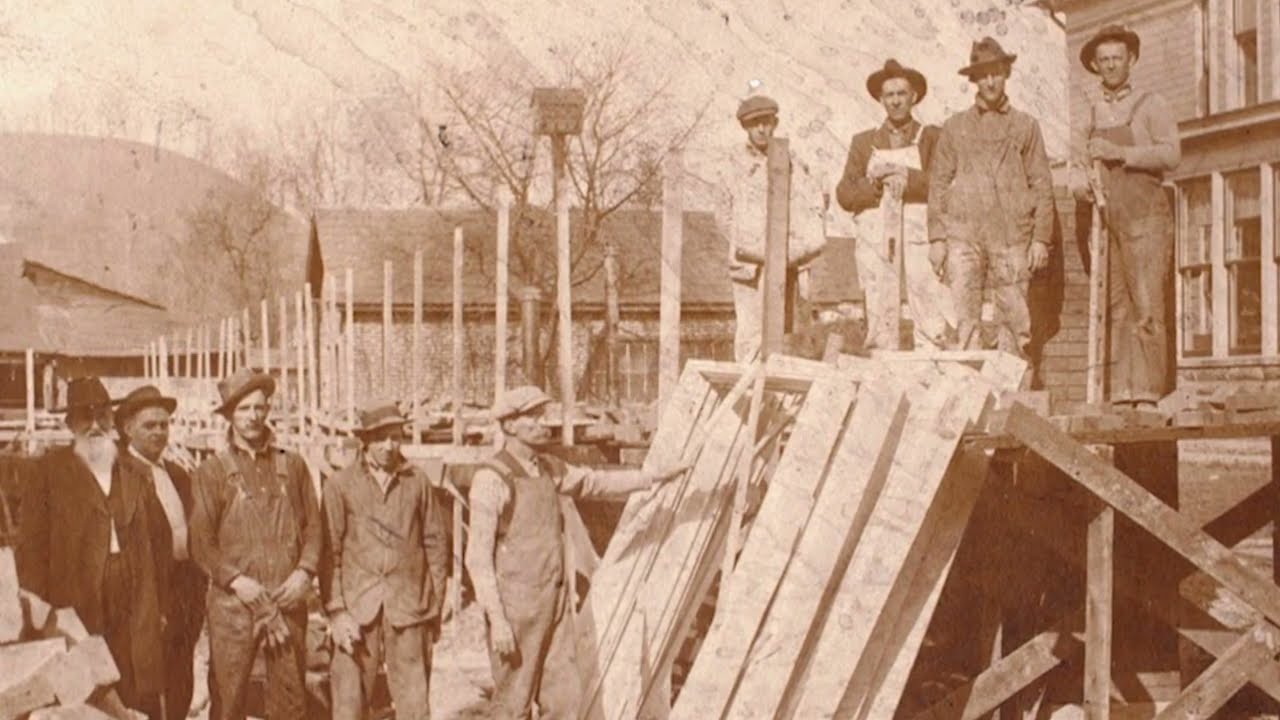
In 1923, she found 17 acres of solid coral stretching across Palm Beach, and commissioned architects Marion Sims Wyeth and theatrical designer Joseph Urban to build her a palace. The result was Mar-a-Lago, a $7 million masterpiece, the equivalent of over $100 million today, that took four years and 600 workers to construct, using three boatloads of Dorian stone from Genoa, 36,000 antique tiles from a Spanish castle, and gold leaf applied by craftsmen whose sons would later restore it
The house opened in January 1927, just before the Everglades costume ball, where Post and Hutton appeared as Louis XVI and Marie Antoinette. For nearly five decades, Mar-a-Lago became the center of Palm Beach society, hosting presidents, diplomats, royalty, and charity galas that defined the winter season. Post ran the estate with the precision she applied to General Foods, keeping meticulous records of seating arrangements and menus.
She divorced Hutton in 1935 and married Joseph Davies, who was appointed ambassador to the Soviet Union. Post accompanied him to Moscow, where she transformed Spaso House into a stage for American diplomacy while quietly acquiring Russian imperial treasures, Fabergé eggs, and icons that today form the core of her Hillwood museum collection. When war came, she offered Mar-a-Lago’s grounds to wounded veterans for occupational therapy.
She returned full-time in 1948 and hosted the International Red Cross Ball annually from 1957, a tradition that continues today
As her health declined in the late 1960s, Post faced an impossible question, what to do with a house that cost over $1 million annually to maintain. Her daughters had no interest in running it. Demolition was considered.
Instead, she offered it to the federal government as a winter White House, complete with a $100,000 annual trust fund. Congress accepted the donation in 1972, and President Nixon signed the legislation. But Nixon never used it, preferring Key Biscayne.
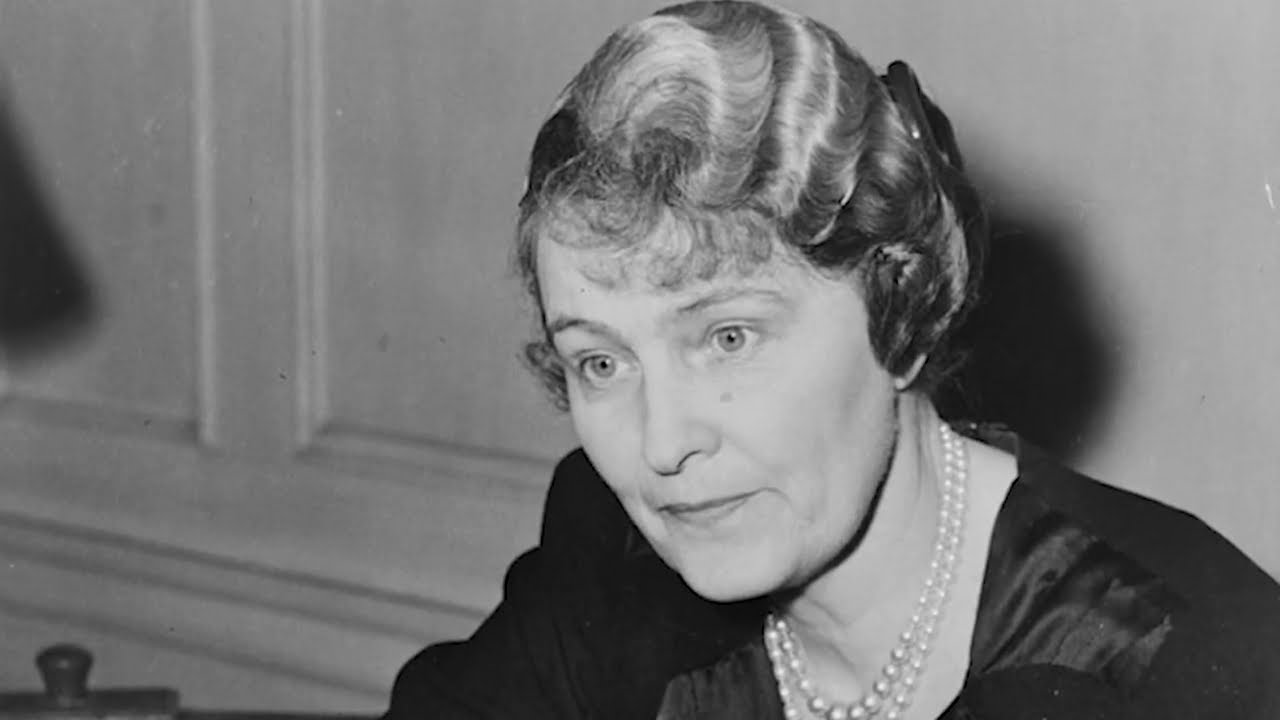 Gerald Ford chose Colorado. Jimmy Carter’s team evaluated the property and found the trust fund covered barely 10 percent of operating costs, with security concerns from nearby airports and public roads making it untenable. In December 1980, Congress gave Mar-a-Lago back to the Post Foundation.
No president had ever slept there
The foundation listed the estate at $20 million. Buyers came, looked at the numbers, and walked away. The roof 𝓵𝓮𝓪𝓴𝓮𝓭.
The gardens grew wild. The house that once hosted royalty sat empty, visited only by caretakers. By 1985, the foundation had had enough.
Demolition permits were approved. Wrecking crews stood ready to reduce Post’s dream to rubble. And then a 39-year-old New York developer named Donald Trump, who had been watching the property since 1982, made his move.
He had already purchased a narrow strip of beachfront land between Mar-a-Lago and the ocean from Kentucky Fried Chicken magnate Jack Massey for $2 million. He announced plans to build a house that would block the mansion’s celebrated ocean views. The foundation, facing the prospect of an unsellable estate with a spite house in front of it, had no choice but to negotiate.
In December 1985, Trump bought Mar-a-Lago for approximately $5 million for the house and land, plus $3 million for the furnishings, roughly half the asking price. The antiques inside may have been worth more than his entire payment for the real estate
 Ivana Trump oversaw a meticulous restoration, hiring Richard Haynes, whose father had been Post’s chief gilder during original construction, to reapply 23-karat gold leaf to ceilings and rebuild 40 ram’s heads from the roofline. The work earned the Florida Trust for Historic Preservation’s award in 1998. But the property was bleeding money, costing over $3 million annually to maintain.
By 1990, Trump was in financial trouble, his Atlantic City casinos losing money and bankers questioning his loans. He proposed subdividing the estate into lots. The town rejected him.
He then proposed converting it into a private club. The town approved in 1993, and the Mar-a-Lago Club opened in 1995 with initiation fees starting at $25,000. Trump made a deliberate decision to accept members regardless of religion or background, breaking the unwritten exclusionary policies of other Palm Beach clubs.
Jewish families, African-Americans, and gay couples were welcomed. The Anti-Defamation League praised him for highlighting discrimination at other establishments. Membership applications exceeded availability, and the club began generating millions in annual revenue
Trump maintained private quarters in a closed-off wing, but he wanted more. He proposed a new ballroom, modeled after the Hall of Mirrors at Versailles, to accommodate the largest charity events in Palm Beach. The project required approval from preservation authorities, given Mar-a-Lago’s National Historic Landmark status.
Architects positioned the new structure in a low area behind existing walls, matching the Spanish Mediterranean exterior. The interior was pure Louis XIV. The Donald J.
Trump Grand Ballroom, completed in 2005 at a cost of approximately $40 million, measured 20,000 square feet, nearly twice the size of Post’s original ballroom, with 17 crystal chandeliers imported from Czechoslovakia at $250,000 each, a $7 million gold leaf ceiling, and four gold-plated bathroom sinks costing $100,000. Trump married Melania Knauss there in January 2005. The International Red Cross Ball, the event Post herself founded, moved to the new space
 Marjorie Post believed wealth carried obligations. She funded an American military hospital in France during World War I, earning the Legion of Honor. She gave consistently to the Red Cross, Salvation Army, and Boy Scouts, funding their national headquarters.
She contributed $100,000 to the National Symphony Orchestra for free public concerts, launching the Music for Young America program. She wrote a check for $100,000 to what became the Kennedy Center for the Performing Arts. Much of her philanthropy was anonymous, helping individuals whose names never appeared in newspapers.
She organized charity balls at Madison Square Garden during the Great Depression, mobilizing resources for those in need. She understood that wealth on her scale was not personal property but temporary stewardship demanding justification through action. The galas and yachts made headlines, but the hospitals funded and lives quietly touched defined her more
The estate that was never supposed to survive has now outlived its creator by half a century. It has survived government rejection, demolition permits, financial ruin, and a global pandemic. It has been transformed from a private palace into a private club, then into the residence of a former president, and now into the backdrop of a historic criminal trial.
The woman who built it to host diplomats and royalty would likely recognize the ironies. The house she designed for entertaining now serves as the headquarters of a political movement. The ballroom she built for charity galas now hosts fundraisers that shape national elections.
The 17 acres she bought to escape the world have become the center of it. Mar-a-Lago was never supposed to survive. It has not merely survived.
It has become the most consequential private residence in American history, a monument not just to one woman’s ambition, but to the strange, unpredictable, and often tragic ways that wealth, power, and history collide. The wrecking crews never came. The coconuts that washed ashore in 1878 set in motion a chain of events that ended with a former president facing federal charges in a building that bears his name, surrounded by the gold leaf and antique tiles of a Gilded Age heiress’s dream.
The palace that was never supposed to survive has outlasted them all, and it shows no signs of going anywhere.