The demolition crew broke through the front entrance just after sunrise.
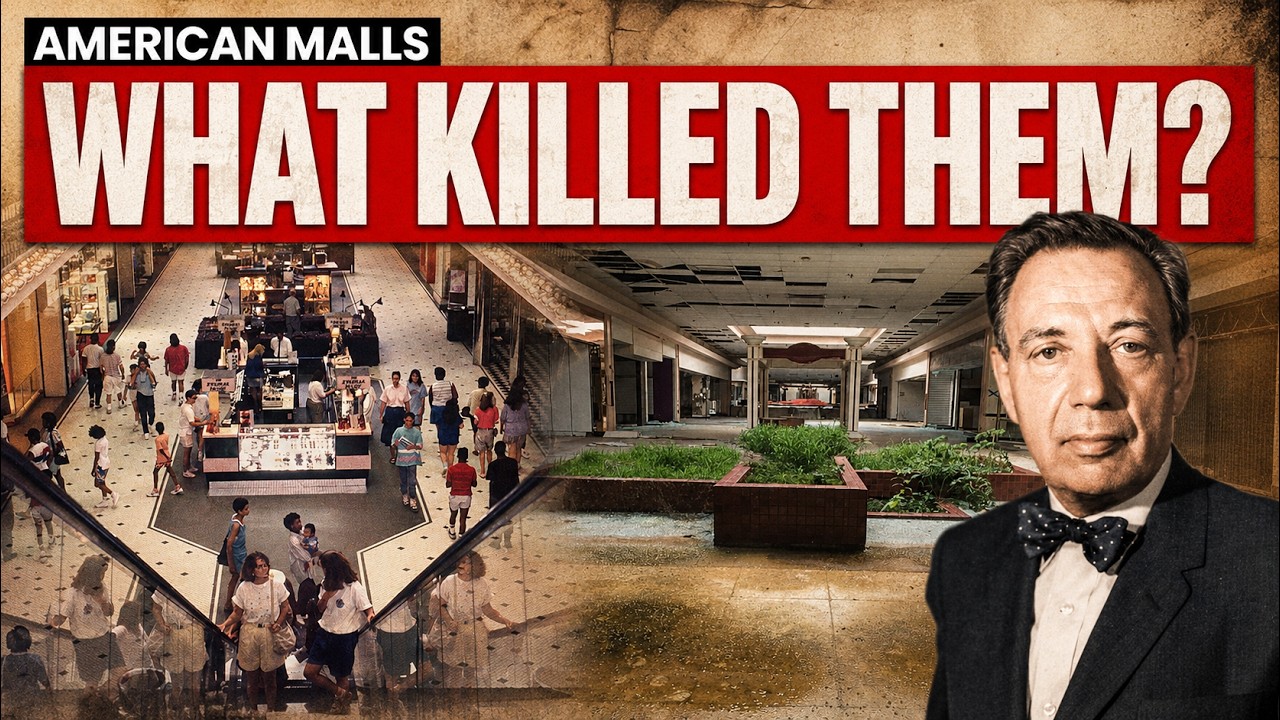
Behind the glass doors was a place that had once been packed so tightly on Saturdays that families circled the parking lot for twenty minutes just to find a space.
Now—
there was nobody.
The escalators were frozen.
The fountains were dry.
Ceiling panels had collapsed onto the floor.
A dead food court still had its tables bolted in place, facing restaurants that hadn’t served a customer in years.
At the far end of the corridor, the enormous department store that once pulled thousands of people through these halls stood completely black.
SEARS.
The sign was still there.
Everything beneath it was gone.
Then the machines moved in.
Walls that had survived forty Christmas seasons came down in minutes.
The arcade where teenagers spent their first paychecks—
gone.
The store where girls bought their prom dresses—
gone.
The bench where nervous sixteen-year-olds waited for their first dates—
gone.
And perhaps the strangest thing was that this wasn’t happening to one failed shopping center.
It was happening all over America.
Because places that had once been so crowded police were sometimes needed to manage holiday traffic were becoming empty concrete shells almost overnight.
But go back forty years—
and this exact building was another world.
It is 1986.
The parking lot is overflowing.
A mother drops her teenage daughter at the entrance.
“Three o’clock. Right here. Don’t make me come looking for you.”
The girl barely hears her.
Her friends are already waving from inside.
She pushes through the doors—
and the entire world seems to explode around her.
Music from the record store.
Coins crashing inside arcade machines.
The smell of pizza and cinnamon rolls.
Children throwing pennies into a fountain.
Teenagers leaning over the second-floor railing looking for somebody they hope will notice them.
Somewhere inside this building, someone is getting their first job.
Someone is meeting the person they’ll eventually marry.
Someone is spending the twenty dollars they earned mowing lawns all week.
Someone is trying on clothes they know they can’t afford.
And almost nobody has actually come here because they desperately need to buy something.
They came because this is where everybody is.
For millions of American teenagers, saying—
“I’m going to the mall”
was a complete Saturday plan.
No explanation necessary.
Because the mall wasn’t simply where America shopped.
It was where America met.
Then something happened.
The crowds disappeared.
The department stores began shutting their doors.
One dark anchor store pulled another business down with it.
Then another.
Then another.
Until buildings designed to hold twenty thousand people could sit through an entire afternoon with almost nobody walking their corridors.
Today, some of those malls look less like failed businesses than abandoned cities.
And the obvious explanation is:
Amazon killed them.
But that’s not what really happened.
Amazon arrived late.
The American mall had already been quietly destroying itself for decades.
Developers had built too many.
Each new suburban mall was stealing customers from an older one.
The entire system depended on giant department stores that were beginning to collapse.
And the architecture itself was built around an assumption that turned out to be catastrophically wrong:
Americans would always need this place.
They didn’t.
But here’s the twist.
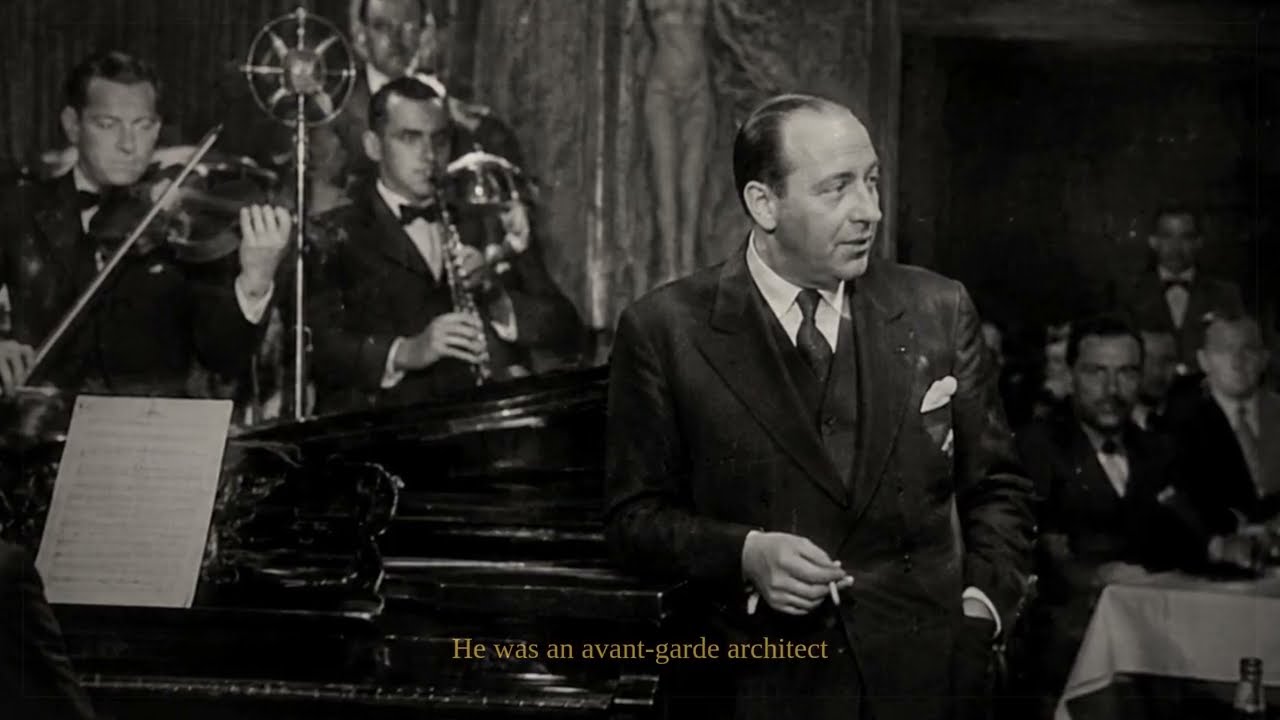
The man who invented the modern American shopping mall understood the problem before almost anyone else.
Victor Gruen watched developers take his idea, copy it thousands of times, surround it with oceans of parking lots, and transform it into something he had never intended.
Eventually, he publicly turned against his own creation.
Because Gruen hadn’t dreamed of building a machine that trapped people inside stores.
He wanted to create something America desperately needed.
A town square.
And somewhere between 1956 and the mall’s spectacular collapse—
America turned that town square into a consumption machine.
Then the machine ate itself.