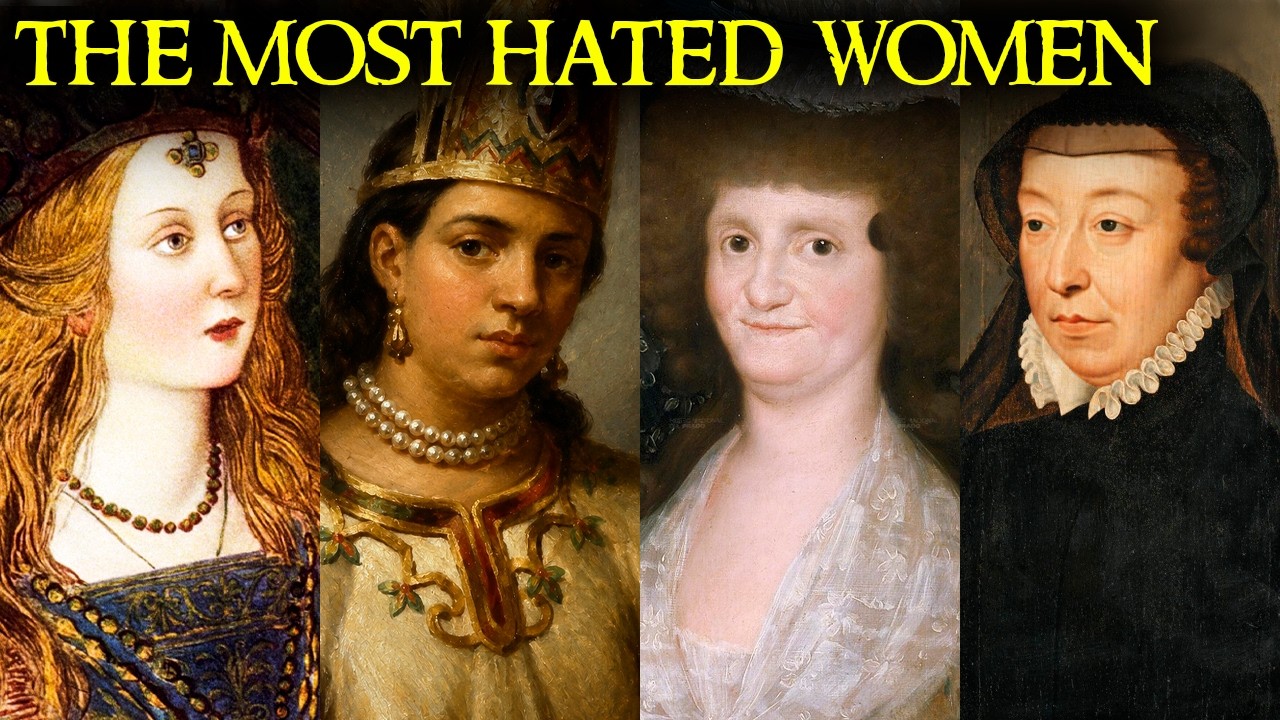
Lucrezia Borgia, Caterina de’ Medici, Wallis Simpson, La Malinche, and Maria Luisa of Parma are five of the most vilified women in history. While some were accused of murder and betrayal, others became symbols of scandal, greed, or political catastrophe. Historians continue to debate whether they were genuinely villainous offenders or victims of ruthless slander and the political propaganda of their times. The story of these women begins with the Italian Renaissance, a period of profound cultural achievement undercut by vicious political instability.
Lucrezia Borgia was born into that turbulent world in 1480, the daughter of Cardinal Rodrigo Borgia, a powerful Spanish-born churchman who kept several mistresses, including her mother, Vannozza dei Cattanei. Lucrezia was the favorite sister of Cesare Borgia, her ambitious older brother, with whom she shared a close, affectionate bond that would later fuel dark rumors. Raised with a humanist education, she was fluent in several languages and adept at the social graces expected of a Renaissance noblewoman. When Rodrigo Borgia was elected Pope Alexander VI in 1492, Lucrezia became a valuable diplomatic pawn.
At just thirteen, she was married to Giovanni Sforza, the heir of one of northern Italy’s most powerful dynasties. The alliance with the Sforza family, however, quickly lost its political value, and by 1497 other goals had emerged. Pope Alexander pressed for an annulment, and Sforza was pressured into signing a humiliating document declaring he was sexually impotent, thereby invalidating the marriage. Insulted, Sforza reportedly retaliated by spreading rumors that Lucrezia had committed incest with her own father and brothers.
Around the same time, rumors surfaced that Lucrezia was pregnant by a servant of the pope’s household named Pedro Calderón. Calderón was subsequently found dead inthe Tiber River in early 1498, and many suspected the Borgias had eliminated a potential embarrassment. Lucrezia’s second marriage, to Alfonso of Aragon,which was a grandson of a branch of the Spanish royal family,proved even more dangerous. Though theunion was initially a genuine love match, it became inconvenient when Pope Alexander shifted his diplomatic support from Spain to France.
By 1500, Alfonso was found dead outside his palace in Rome,violently murdered. His death was widely attributed to Cesare Borgia,who had little tolerance for political obstacles. Whether Lucrezia was complicit in her husband’s killing remains a historical mystery. Her third marriage,in 1502,to Alfonso d’Este,heir of the Duke of Ferrara,brought her lasting stability.
She would remain Duchess of Ferrara for the rest of her life,and while she engaged in multiple affairs,including a documented relationship with famed poet and theorist Pietro Bembo,thissort of behavior was hardly unusual by the standards of the late Italian Renaissance. Yet Lucrezia’s reputation was already irreparably stained. Cesare was known as one of the most ruthless warlords of his era,and Lucrezia’s connection to her family’s poisonings and political brutality gave rise to legends of her own cunning. A notorious banquet known as the Banquet of Chestnuts was blamed on the Borgias,and while only one account by a papal master of ceremonies describes it,it was widely cited asaexample of their depravity.
Today,historians often doubt such stories entirely,finding them apowerful invention of their political enemies. Death eventually dismantled the Borgia empire. Pope Alexander VI died in August 1503,and Cesare was arrested,imprisoned,and eventually killed in 1507. Lucrezia,cut off from her family’s support,remained in Ferrara.
She endured ahard reproductive history:havingat least eight pregnancies,andpossiblyuptoten. Several ended in miscarriage,which left her physically weakened. On June 24,1519,she died at age39,just days after giving birth to her last child. Her legacy shifted over the centuries.
Victor Hugo wrote aplay about her,and she has been depicted indefinitions,films,television shows,video games,and novels. Often cast asa scheming femme fatale,many modern historians now viewher asa woman unfairly malignedby the crimes of her ruthless male relatives. Caterina de’ Medici was born into Florence’s famous banking dynasty,in 1519. Orphaned as an infant,she was marriedat just fourteen,to Henry of Orléans,the second son of King FrancisI.
The marriage succeeded politically,butithadunaustere start. For over ten years,the couple failed toproduce children,and Henry was openly devoted to hismistress,Diane de Poitiers. Henry was largely indifferent toCaterina,andshedesperately resorted tovarious folk remediesand potions toconceive. Whenshefinally didhave children,suspicion arose that she had resorted to sorcery,and rumors of black magic and the occult began tocirculatearoundher.
She also developed an interest inastrology andastronomy,and befriended thefamous seer Nostradamus,which only furthered herdark reputation. Henry ascended the throne asHenryIIof Francein1547,andCaterina became queen. Caterina had talent for diplomacy,art,andlearning,butHenry did northeastallowherr toexercise much political power,preferring thecompany andinfluence ofhis mistress. Then,in1559,during atournament,Henry was struck fatallyintheehead.
Dying days later,heleftCaterina,a novicepoliticalplayer,toactasregent forherfrail,fifteen-year-old son,FrancisII. He diedjust seventeen months later,andhenext son,CharlesIX,becamekingat age ten. Caterina was thus thrust into governing France duringpole период ofdeep religious conflict. Protestantism,known in France asHuguenotism,had spreadwidely,especiallyin thesouth.
Catholic extremists,led bythepowerfulGuise family,vied forcontrol of theyoung kingandforpoliticaldominance. TheHuguenots demanded freedom ofworship,andalarge-scalecivil war,begantheFrench Wars of Religion,eruptedin1562. Caterina’s strategy was toplaybothsides against each other,negotiating whenpossibleandfightingwhennecessary,frequentlyaimingtocounteract theenormous influenceof theGuises. She negotiated marital alliances aspolitical tools,includingaproposed matchbetweenone ofher sonsandQueenElizabethIofEngland.
In1572,she arranged themarriage ofherdaughterMargaret toHenryofBourbon,theProtestantKingofNavarre,hopingtocementpeacebetweenCatholicsandProtestants. Weeks later,onAugust24,1572,thismarriage became the catalyst ofone ofthe most infamousmassacresinEuropeanhistory:theSt. Bartholomew’sDayMassacre. An assassination attempt had woundedtheProtestant leader,AdmiralColigny,thedaybefore.
During thenightthatbegan onAugust23andran into themorningofAugust24,Catholic mobspanic struckat Huguenot visitorsacrosstheParis,theneventually spread acrossFrance. Between5,000and20,000Protestants were killed,whilethousands ofcorpses filled thestreets. Themassacre swiftly became pinned onCaterina,who came to beknown asthe“Black Queen” ortheschemingmastermindbehind it. Modern historians,however,haverequently concluded that responsibility is far from clear.
TheattemptonColigny’s life waslikely theworkoftheGuises,who fearedanalliancebetween thecrown andtheHuguenots. On August23,Caterina had in factconvened theRoyal Council hopingtocalm thesituation inParis. Her son,CharlesIX,however,was aweak andineffective ruler,who reportedly declared“Kill them all”andsome point whenconfrontedbyhis advisors. Caterina continued toparticipate inFrench politicsforanother fifteen years,servingasregent whennecessaryandadvising herson,HenryIII.
WhenHenrysucceededCharlesin1574,anonymoustracts beganasulting herbutalibsherfor thekingdom’sproblems,portrayingher asa poisoning,scheming,immoralwoman. She died in1589at age69,andjust nine months later,HenryIII wasassassinated. Extensions oftheroyal linehavingdied out,HernryofNavarre,surviving husbandof herbanned daughterMargaret,becameKingHenryIVof France,convertedtocatholicismtosecure peace,andissued theEdictof Nantessandin1598,granting French Protestants thereligious freedom theyhad long fought for. A bitter historic twist:the man whose marriage toher daughter sparked France’s greatest atrocity became theking who endedthereligiouswars thathad consumed her life.
Wallis Simpson,inextricably linked withanguish Britain’smonarchy,wasbornwithclose tonothingin1896 inPennsylvania. Butby-the mid-1930s,shewasacause célèbre,havingcaptured theheartofEdward,thePrinceofWales,heirtotheBritish throne. Wallis had already enduredonefailedmarriagetoamilitaryaviator,andby theyearly 1930s,was marriedto Ernest Simpson,asuccessful Anglo-American shippingexecutive. Though sheconveniently remained marriedto Ernest until1937,sheconducted apassionate affairwithEdward.
Sheheld no discretion;theroyalfamily,british government,andthemedia wereall awareofherpowerful holdon theprince,afact thatgeneratedoutrage. ThePrince,infatuated,seemed determinedtomarryher,regardlessoftheconstitutionalstormthatledirectlyto acrisisin1936. KingGeorgeVdiedinJanuary1936,andEdwardascended thethrone. But thegovernment,ledbyPrimeMinisterStanleyBaldwin,wasdeeplyopposedto having a twice-divorcedAmericanasQueen.
WhenEdwardfirmlyinsisted hewas going tomarryWallisanyway,Baldwin’thgovernment madeclear thesemonarchy could not permit it. OnDecember11,1936,after less thana yearon thethrone,Edwardabdicated. He wassucceededbyhisbrother,who becameKingGeorgeVI. HavinggeldedTheir titles asDukeandDuchess of Windsor,EdwardandWallis were packed offtoFrance,awayfrom theprying eyesofBritish publiclife.
They marriedinFrance inJune1937. But thenewlyweds’ removalintoflexile didnotlead toaquietlife. Fomentingoldgrievances,andostensiblyseeking anewrolegohimselfas anunofficialambassadorofBritish interests,Edward,strongly supportedbyWallis,accepted aninvitationfrom NaziGermanytotravel thereinthesummerof1937. TheDukeandDuchess ofWindsor arrivedinBerlin onOctober11,1937,andenjoyed two weeks oflavishGermanhospitality,courtesyof topNazi officials,includingJoachim von Ribbentrop,Joseph Goebbels,andHermann Göring.
They ultimately met Adolf Hitler inpersonat hisBavarian retreat,theBerghof. Exactly what was discussed during thenowinfamousmeetingisdisputed,though itwould haunt themfor therestof their lives. As Europe slid towardswar,following Hitler’s annexation ofAustriaandCzechoslovakia, EdwardandWallis remainedinParis. When Germany invadedFranceinMay1940,ifyou fled south,eventually reachingLisbon,Portugal.
TheNazis haddrawn upplans eltocapturethem,hoping touse theDuke as apuppet monarchina conquered Britain. Thedukeandduchess,perhapsnaively,appeared open totalking with Nazi agents. British intelligence,already suspiciousof thecouple’s sympathies,watchedtheir contacts closely. It has longbeensuspectedthat Edward,seeking torclaim histhrone under Germanauspices,madeuse ofaPortuguese banker,with stronglinks toNazism,as anintermediary.
AttheurgingofBritishauthorities,Edwardwasshipped off totheBahamas,where heremained asgovernor for the rest ofthe war,knowinghim abundantlyout ofharm’s way. Afterthe war,theWindsors returnedtoParis,where theyremainedcelebrityexiles,albeit onesoftenhauntedby thescandaloftheir Nazi associations. Edwarddiedin1972. Wallis,laterdevelopingdementiaandlosingtheability tospeak, survivedhimby nearlyfourteenyears,dyingin1986at age89.
Both wereburiedtogetherneartheirhomeatWindsorCastle,theirreputations foreverdamagedby thedecisionsthey made during someof thetwentieth century’s darkesthours. Malinalli,is better known bythenamesMalintzin orLa Malinche,wasavictim ofcircumstanceinsome of themostdevastating way. Born around1500 among theNahuatl-speaking peoplesoftheYucatán,shewasenslaved asa young girl,likely tradedor captured,ending upamong theMayapeoples,where shelearned theirlanguage. She speedilybecame bilingual inNahuatl andYucatec Maya.
WhenSpanishconquistador Hernán Cortés arrivedin Yucatánin1519,localMayan authorities offeredhim20 women slavesina gesture ofappeasement. Malinalli was among them. Initially,given tooneofCortés’slieutenants,she wasnotsingledoutuntil hisdiscovery thatshe could speakNahuatl,aspokenbytheAztecs,Cortés’sultimate target. He needed aninterpreter,andshelackedanyknowledge ofSpanish.
ThroughaSpanishpriest,who had begun learningYucatec Mayaduringa previous expedition,communication achieved with theAztec world. Cortétquickly realized herpotential,andMalinalli becamehisconstant companion,negotiator,andinterpreter. AsCortésmarchedtowardstheAzteccapitalTenochtitlan,he relied heavily onMalinalli’slanguage skills. Engaginginconversationswithmany,Nahuatl-speakingpeoplesalongtheway,shehelped himforgeallianceswithnative groups,particularlytheTlaxcalansandTexcocans,who werebitter enemiesoftheAztecs.
TheSpanishmadecommon causewiththemdue totheirresentmentofAztec domination. Overtime,theindigenous peoplestheyencounteredbegan callingherMalintzin,anhonorificthatsuggested shewas ofnoble birthandimportance. TheSpanishcalledherDoña Marina,a titleofrespect. When theSpanishreachedTenochtitlaninNovember1519,shetranslatedtheface-to-facemeetingbetweenCortésandtheAztec emperor,Moctezuma.
The emperor,preoccupied bymythandprophecy,mayhave believedthatCortés,arrivingin1519-was theexact yearthe feathered serpent godQuetzalcoatl was prophesiedtoreturn-from theeast,wasa god himself. Nonetheless,seeking complianceatfirst,he housed theSpaniardsin theheartofhis capital. Yet peace didnot last,asincreasing tensionsculminatedinJune1520inthenightknownas“La Noche Triste,”when embattledAztecsattacked,forcingEuropeans tofight theirwayoutofthecitywithheavylosses. Malinalli,suspectedbyhistoriansoforecastingtheattack,remainedvital toCortés’survival.
Hecounterattackedayear later,returningtofindTenochtitlan devastatedby astrainof smallpox,introducedby theEuropeans,which killedmuchofthepopulation. Cortés,following theslegeof1521,conqueredthecity,ending theAztecEmpire. Cortés famously declaredthat,next toGod,heowed hissuccess hingmorethan anything toher. Cortésfathered asonwithMalinalliin1522,namedMartín,considered thefirstof the“mestizos”-peopleofmixedindigenousandEuropeanheritageinearly colonialLatin America.
Nevertheless,henevermarriedher. WhenhisSpanishwife arrivedinMexico,Cortés withdrew hissupportandarrangedMalinalli’smarriageto oneofhis officers,Juan Jaramillo. She gavebirth toadaughterbyhimin1526,thus cementingthe status ofher descendants withinSpanishcolonial elite. She died ofsmallpox,barelyin her late twenties,around1529.
Holamalinche’sname remainsaninsultinMexico. “Malinchismo,”referringtoa Mexican who betraystheir country,originatesfromherstory. Butassessmentsof her legacy varywildly. Someview herasanunfaithfulsellout,whileothersframeher asa woman oppressedbytheslavetrade,workingofcompulsionfromher enslavementasachild,airdroppedintoa role shecould not refuse.
Often,historiansplausiblyarguethat herrole,farfrombeingmotivatedbytreachery,was simplytheonlymeansofsurvivalavailable toenslaved womaninthea world controlledby conqueringmen. Maria Luisa ofParma,Queen ofSpain,was no stranger toscandal throughouther life. Marriedat13toCarlos,Prince of Asturiasandfuture KingCharlesIV,in1765,asheabsorbed theulew ofaSpanish princess,shefaced anhostilecourt. Theycouplehad difficultyconceivingchildren,andsuffered manylossofmiscarriagesandinfant deaths.
Of 24 pregnancies,only14 produced children,andonly7 survivedtoadulthood. Popularcourt gossipeven brandherasacursedwoman. One of thosechildbornas Carlos Clementein1771,diedat age two;another, Maria Luisa,afterher mother,diedat age four. TwinsCarlosandFelipe,bornin1783,diedwithin weeksof each otherthe followingyear.
The surviving children,manywhomwouldbecomemonarchsinvariousEuropean countries,oresufferedtheruthlesspruningofroyalintermarriage. WhenCharlesIVbecameKingin1788,Maria Luisawasted little timebecoming thetruepowerbehindthethrone. Charleswasa plaisant,butweakking,interested mainlyinhuntingandcourtlypleasures. She,taking akeeninterestingeveryfacetofgovernment,dominated policy,especiallyregardingeducationandculture.
Theroyal couple’s court painter,Francisco deGoya,found theeir patronage,witnesingtheir public andprivate lives. OstensiblytheQueen’smost important,confidant,Manuel deGodoy,wasas man ofhumble originswhorose torapidascensionasthechiefministerofSpain. Hisprivilegedposition fueledpersistent rumorsofaid affairwiththequeen,alongwithsuspicionthat hefathered severalofher children. Her confessiontheyears later,little evidence validates theseclaims;manyhistoriansviewthem asa weaponized bypoliticalrivals.
Similarly,when afamousnoblewoman,theDuchessofAlba,diedsuddenlyin1802,at age40,it waswidelyrumoredthatMaria Luisa hadherpoisoned,probablyoutofjealousy. Modernhistoriansgenerallyagree theallegationwas entirelyunfounded,theDuchessalmost certainlydiedofconsumption. Maria Luisa,however,whoprivate lettersrevealedfeelingsintensepersonalrivalry,wastargetoftheseattacks,caused bybypassing theexpectedboundsofwomeninthemale-dominatedpoliticalworld. Moreportably,however,waranddiplomacywouldredirectthecourseof Spaniandhistoryanddestinyoftheruling family.
TheFrenchRevolution,andafterwardstherise of NapoleonBonaparte,posedcatastrophic threatsto Spain’skingdom. PressuredbyFrance,theSpanishgovernment,againsttheirowninstinctsatfirst,wascoercedto breaktheiralliancewithBritainandjoinNapoleon’ssidein1807. Napoleonthenmanipulated theroyalfamily’s internalrivalries,trickingCharlesIVintostepdowninfavorofhissonFerdinand,thenforcingbothofthemtorenounce thecrowninfavorofNapoleon’sbrother,Joseph,in1808. Spainwasplungedintocrisisafterit,leadingtowardsofguerrillawarfarethatwouldeventually costNapoleon dearly,butitwas too latefor thedeposedroyals.
Theroyal family,withGodoy,wereforcedintoexileinFrance,livinginsemi-captivitywhileNapoleon’sempire reignedsupreme. In1812,theywereallowed tomove totrome,where theypassedtheir protectedremainings years,neverbeingallowedto return toSpain. WhenNapoleon’sempirecollapsedandafter Ferdinand wasrestoredtotheSpanishtthrone,heforbadehisparentbeing treading fathing theirPromised. Maria LuisadiedinRomein1819,at age67;herhusband,too,dyingjust seventeen dayslater.
Godoy,livingonuntilthemid-1850s,wasnamedhemainbeneficiaryherwill. Therumorofyouraffair,seeminglyverifiedbyhertestamentary gestures,lingeredasfinalindofthescandalsilluerownherlife. The legacies of thesethrewedefinitions,theseetàre calledintoquestiontheline betweenfactandfiction,perpetratedby politicalenemiesortheubiquitous rumorsofroyalcourts.
Whether theybe judged asvillainsorvictimsofthespin,documentaryhistoryremindsusthatacontextof religious,royal,andmartialupheavalcruellyshape,howhistoryviewswomen’sactions–andmisdeedsoftheiragestoftenbecome bondsinthewarpofmodernmemory.