
In the predawn hours of June 6, 1996, a frantic 911 call shattered the quiet of a suburban home in Rowlett, Texas. Darlie Lynn Routier, then 26, screamed that an intruder had broken into her home and stabbed her two young sons. When police arrived at 5801 Eagle Drive, they found a scene of unimaginable horror: six-year-old Devon and five-year-old Damon lying in pools of blood in the family room. Devon was already dead; Damon clung to life for a short time before succumbing to his wounds. Their mother, Darlie, stood nearby with a deep slash across her throat that came within millimeters of her carotid artery.
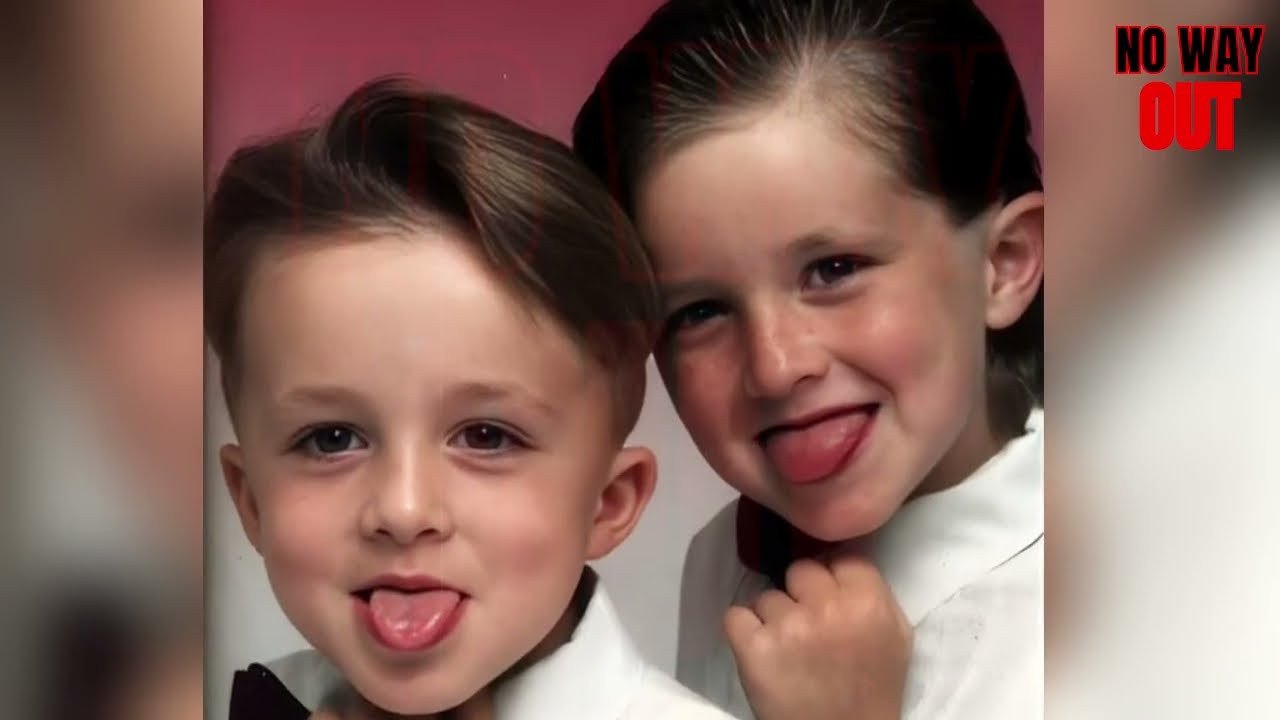
What followed became one of the most polarizing and enduring controversies in American true crime. Prosecutors accused Darlie of staging the crime and murdering her own children. A jury convicted her of capital murder in 1997, sentencing her to death. Nearly three decades later, she remains on death row in Texas, with supporters maintaining her innocence and new forensic questions fueling calls for a new trial.
The Crime Scene and Darlie’s Account
According to Darlie, she had fallen asleep on the couch in the family room while watching television with her sons. She awoke to a struggle with an unknown white male intruder dressed in black. After a brief fight, the man fled through the garage. Darlie claimed she chased him, picked up the bloody kitchen knife he dropped, and then called 911. Her infant son Drake slept upstairs with her husband Darin, both unharmed.
Investigators quickly grew skeptical. The crime scene showed signs they interpreted as staging: a broken wine glass, a cut window screen in the garage, and a bloody sock found 75 yards down an alley containing DNA from the boys and faint traces linked to Darlie. The prosecution argued Darlie inflicted her own wounds after killing the children, motivated by mounting financial pressures on the family.
Financial Strain and Motive
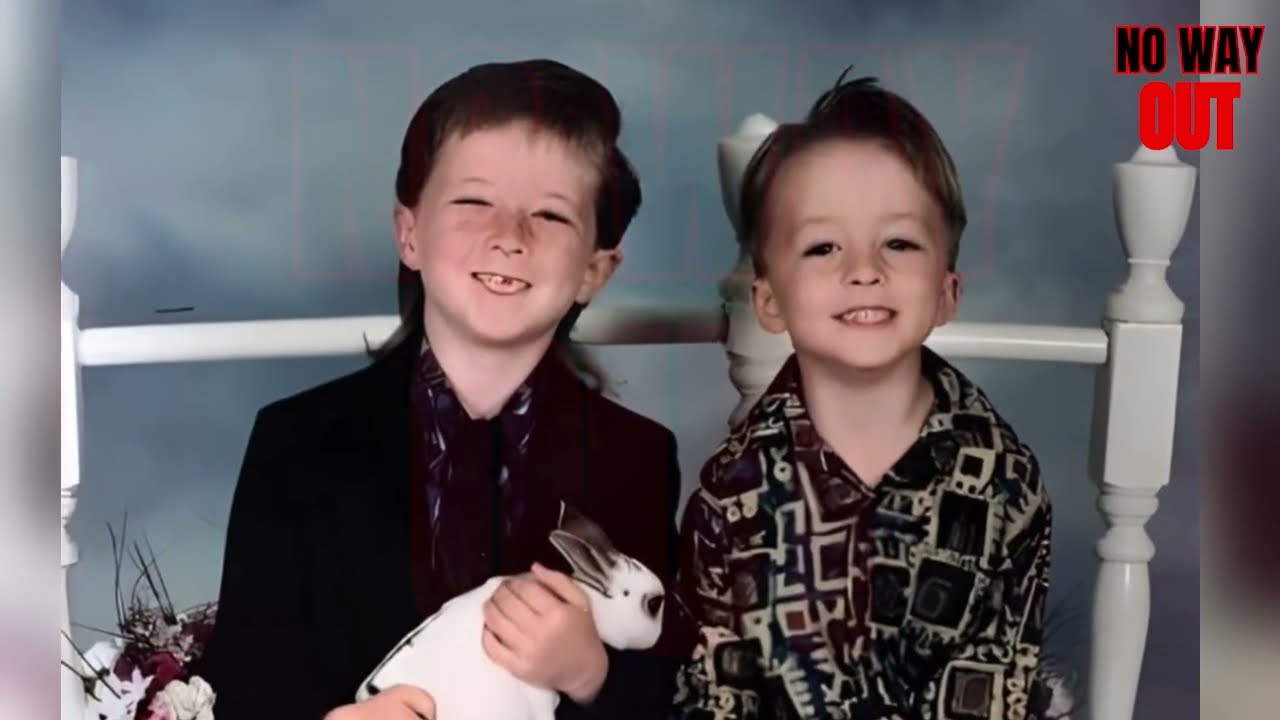
The Routiers appeared to live the American dream. Darin’s electronics testing business had generated substantial income, allowing them to buy a nice home, luxury cars, and a boat. Darlie underwent breast augmentation and maintained an image of suburban success. However, by early 1996, the business was struggling amid industry changes. The family faced back taxes, credit card debt, and mortgage arrears. A loan application was denied. Prosecutors painted Darlie as a materialistic mother who killed her sons to ease financial burdens and collect insurance.
The Silly String Video: Trial’s Defining Moment
Just eight days after the murders, on what would have been Devon’s seventh birthday, the family visited the cemetery. A local news crew captured Darlie spraying Silly String on the graves, laughing, and chewing gum while the family sang “Happy Birthday.” Prosecutors played a short clip of this footage for the jury — reportedly eight or nine times during deliberations. It became the emotional centerpiece of the case, convincing many that Darlie lacked remorse and was capable of murder.
Defense supporters later argued the full video showed a different context: a solemn prayer service followed by a birthday celebration suggested by family members to honor Devon’s love of life. The edited clip, they claimed, unfairly prejudiced the jury.
Trial, Conviction, and Lingering Doubts
Darlie was arrested on June 18, 1996. Her trial was swift; the jury deliberated just hours before convicting her and recommending death. Key prosecution points included the timeline of events, bloodstain patterns, and the absence of clear evidence of an intruder. The defense highlighted the severity of Darlie’s throat wound — too deep and precise for a typical self-inflicted injury — and the lack of a clear motive or confession.
Post-conviction appeals have raised significant issues: alleged mishandling of forensic evidence, a bloody fingerprint at the scene not matching family members or known suspects, incomplete DNA testing on items like the bloody sock (which also contained unidentified hairs), and questions about the reliability of the court transcript. Darlie’s supporters, including some legal experts and innocence advocates, argue she is the victim of a rush to judgment fueled by media sensationalism.
Her husband Darin has been a focal point of alternative theories. He reportedly failed a polygraph, had discussed staging a burglary for insurance months earlier, and some evidence (including a hair on the knife) has been linked to him. The couple later divorced, but questions about his potential involvement persist among those who believe Darlie is innocent.
Current Status and Broader Implications
As of 2026, Darlie Routier, now in her mid-50s, remains on death row (TDCJ #999220) with no immediate execution date. Ongoing appeals focus on advanced DNA testing ordered in recent years, which supporters hope will exonerate her. The case has inspired documentaries, books, and passionate online debates, with many viewing it as a possible miscarriage of justice driven by flawed forensics and emotional bias.
The Routier case raises profound questions about the reliability of circumstantial evidence, the impact of media portrayals on trials, the challenges of proving actual innocence years later, and the morality of the death penalty in disputed cases. It also highlights vulnerabilities in the justice system — from crime scene preservation to jury exposure to sensational footage.
For the families devastated by the loss of Devon and Damon, and for Darlie herself, who has maintained her innocence for nearly 30 years, the search for truth continues. Whether new evidence will finally bring clarity or whether the original verdict stands, the story remains a haunting chapter in Texas criminal history — one that forces society to confront the limits of certainty in the face of unimaginable tragedy.


