
Thirty years after one of the most infamous crimes in American history, Susan Leigh Smith remains incarcerated at Leath Correctional Institution in Greenwood County, South Carolina. On October 25, 1994, the then-23-year-old mother strapped her three-year-old son Michael and 14-month-old son Alexander into their car seats and rolled her Mazda Protegé into John D. Long Lake, drowning them both in a calculated act driven by a desire to pursue a relationship with a man who did not want children.
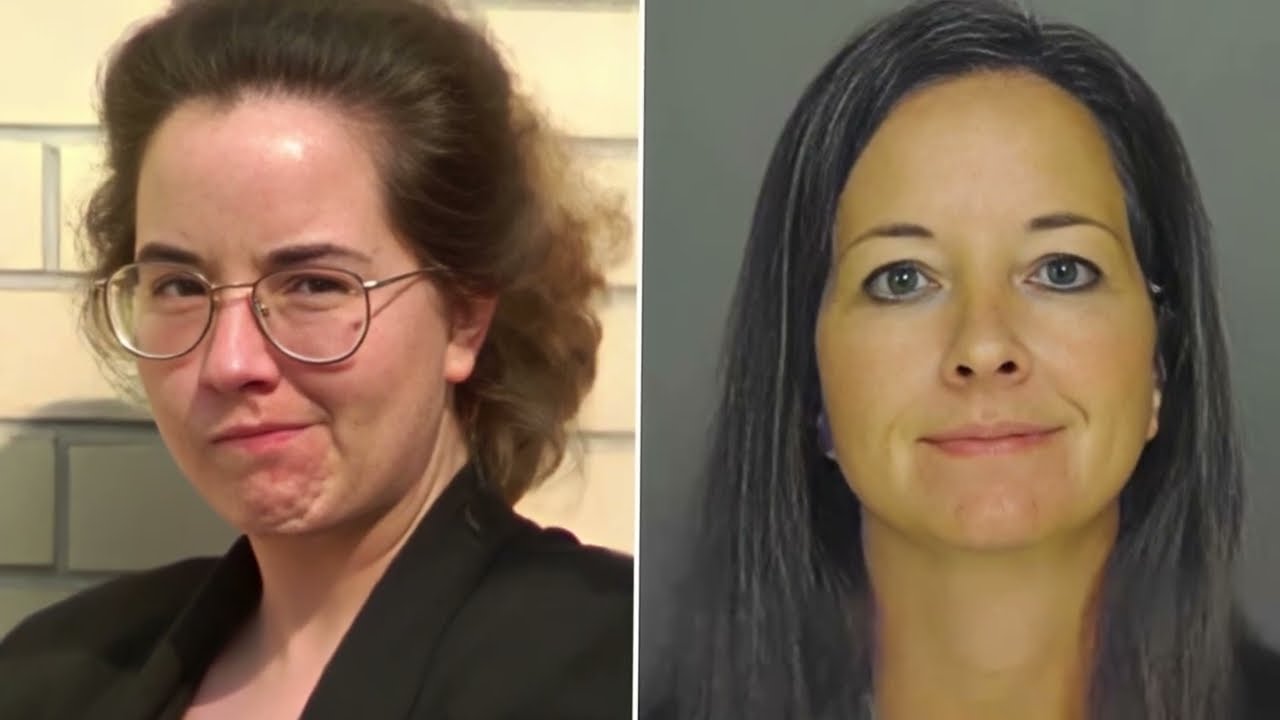
What was intended as a path to a new life instead became a national nightmare. Smith fabricated a story about a Black carjacker stealing her vehicle with the boys inside, sparking a nine-day manhunt that tore through racial tensions in Union County. Her tearful television appeals captured the nation’s sympathy—until her confession on November 3, 1994, shattered the illusion.
Convicted of two counts of murder in 1995, Smith narrowly escaped the death penalty. A jury, moved perhaps by her youth, mental health claims, or lingering societal reluctance to execute a woman and mother, sentenced her to life in prison. Under South Carolina law at the time, this meant eligibility for parole after 30 years. That day arrived on November 20, 2024—and the parole board unanimously denied her release. She will be eligible again in November 2026, and every two years thereafter.

The Crime That Shocked America
Smith’s actions were premeditated. She drove to the remote boat ramp, released the parking brake, and watched (or walked away as) the car slowly submerged. The boys, still strapped in, drowned over approximately six minutes. Instead of seeking help, she ran to a nearby home and launched the false carjacking narrative. For nine days, law enforcement and volunteers searched frantically while Smith appeared on national television, pleading for her children’s safe return. The fabricated story led to widespread racial profiling and community trauma.
At trial, prosecutors argued Smith chose her boyfriend over her sons. The defense highlighted her history of depression, sexual abuse, and a troubled childhood. The jury convicted her quickly but spared her life. In hindsight, that “mercy” may have condemned her to something arguably more torturous.
Three Decades Behind Bars: Scandals, Self-Destruction, and Despair
Smith began her sentence at Camille Griffin Graham Correctional Institution. Within years, she became embroiled in scandals that revealed deep manipulation. In 2000, she admitted to having sex with a 50-year-old guard on prison grounds. Another guard later confessed to a similar relationship. These incidents led to her transfer to the more secure Leath Correctional Institution, where she has spent the majority of her time.
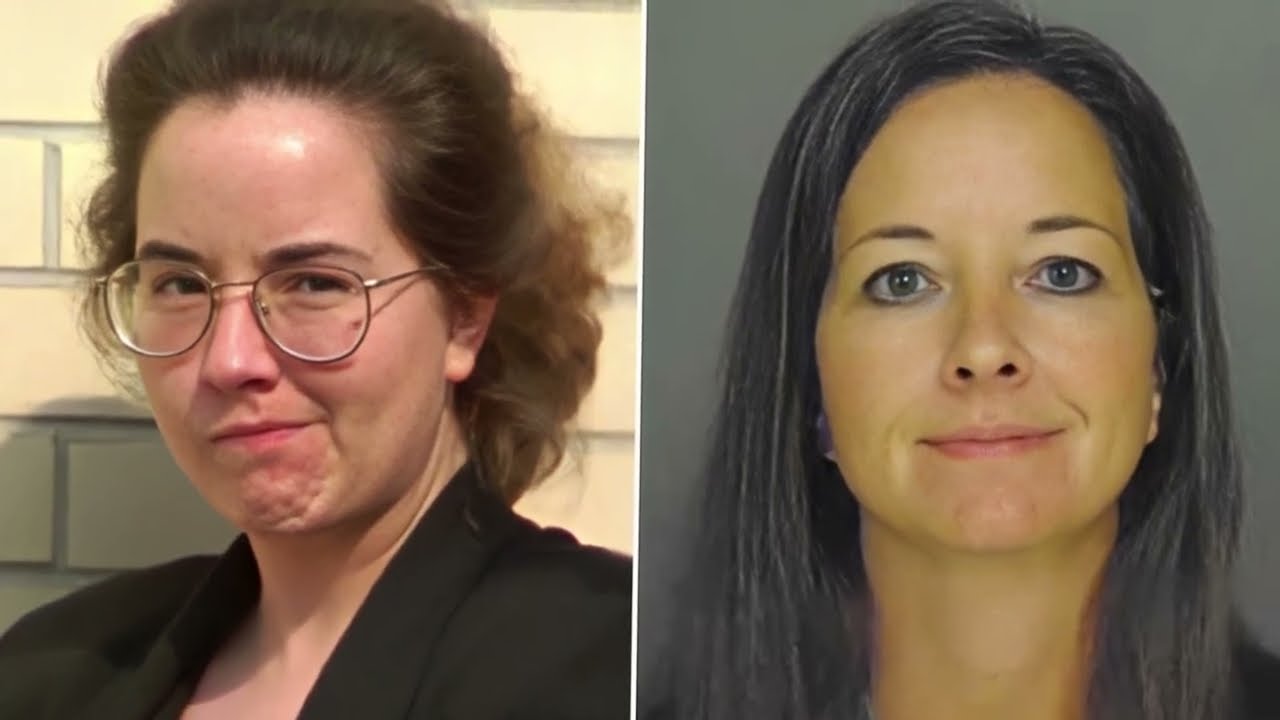
Special protocols were implemented: Smith is never left alone with male staff, and transportation requires two officers. Her disciplinary record includes multiple drug violations (marijuana and other unauthorized substances), self-mutilation, and a 2024 infraction for communicating with a documentary filmmaker in hopes of profiting from her story — resulting in the loss of phone, tablet, and canteen privileges.
Former cellmates and staff describe a woman who turned to drugs to numb her reality, cycling through periods of relative compliance followed by outbursts. After the 2024 parole denial, sources say her behavior deteriorated sharply. Once described as cooperative in anticipation of release, she became rude, nasty, and difficult — suggesting years of good behavior were largely performative.
Now 53, Smith has spent more of her adult life in prison than outside it. She works assigned jobs (including as a wardkeeper assistant), lives in a dormitory setting with almost no privacy, and faces the monotony of identical days. Phone calls are monitored, mail is screened, and there is no meaningful path to education or rehabilitation credits that would change her trajectory.
Parole Hearings: False Hope as Psychological Torture
The most insidious aspect of Smith’s sentence is the recurring parole process. Every two years, she must prepare a case for freedom, only to face her ex-husband David Smith — who has vowed to attend every hearing — victims’ advocates, and prosecutors reminding the board of her horrific crime. In 2024, she broke down in tears, expressing remorse and asking for mercy as a Christian. David Smith, visibly emotional, emphasized personal responsibility and the permanent loss of his sons. The board denied parole unanimously.
This cycle — hope, preparation, public recounting of her crimes, rejection — repeats indefinitely. Unlike death row inmates who eventually face a definitive end, Smith lives in perpetual limbo. Many observers, including prison staff and commentators, argue this “life with the possibility of parole” has become a crueler punishment than execution, forcing her to confront her actions and lost future repeatedly while offering almost no realistic chance of release.
Broader Questions: Mercy, Justice, and the Death Penalty Debate
Susan Smith’s case continues to polarize. Supporters of the original life sentence viewed it as humane, especially given her age and mental health history. Critics argue it denied true justice to Michael and Alexander, whose lives were cut short in one of the most heartbreaking ways imaginable. The parole eligibility has turned what many believed was “life without parole” into a decades-long psychological ordeal.
Her story raises profound questions about sentencing: Is prolonged incarceration with false hope more humane than a swift, certain end? Does society benefit from keeping such offenders alive to suffer the consequences of their actions? And in an era of evolving views on capital punishment, cases like Smith’s fuel debates about consistency, racial dynamics in sentencing (noted by prosecutors at trial), and the long-term costs of incarceration versus execution.
As Smith prepares for her next parole hearing in late 2026, she remains a symbol of unimaginable maternal betrayal. Her prison existence — marked by isolation, addiction struggles, manipulation, and the crushing weight of eternal routine — stands in stark contrast to the quick death she might have faced. For many, the ultimate irony is that the “mercy” shown by that 1995 jury may have delivered a far harsher sentence than anyone anticipated.
The tragedy of Michael and Alexander endures. Their mother’s slow disintegration behind bars serves as a grim reminder that some punishments extend far beyond the moment of sentencing — into a lifetime of concrete walls, monitored moments, and the quiet horror of knowing freedom is forever just out of reach.


