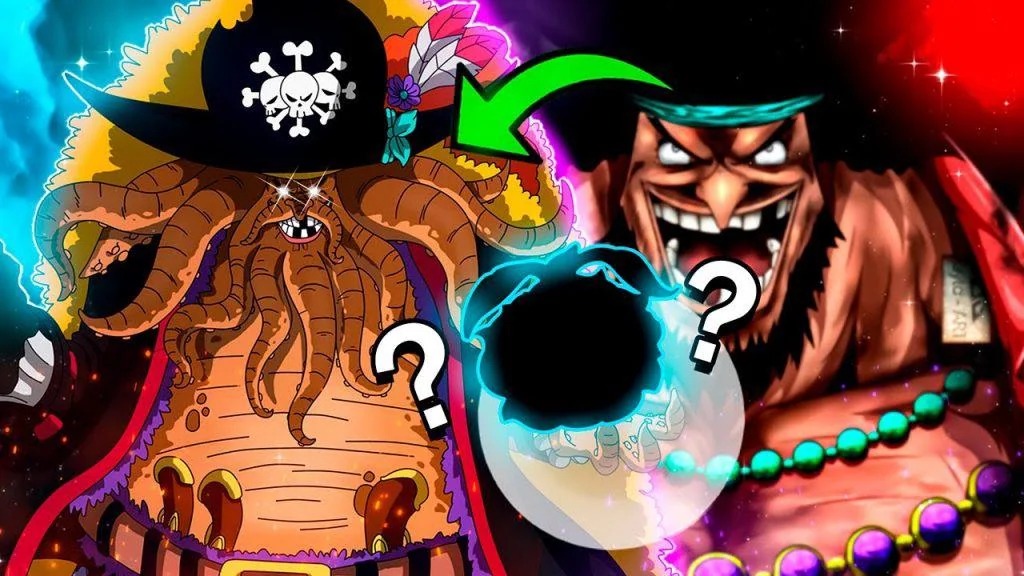
One Piece 1119: What To Expect From The Chapter
One Piece chapter 1119 is just around the corner, with one final push from the Straw Hat Pirates and allies to secure an escape by being teased by Oda towards the end of the previous chapter. Fans got to see Bonney and Luffy both taking to Gear 5 in the last chapter, and now, they are going to go in an all-out attempt against the Elders so that they can set sail efficiently and leave this island behind for good.
That, and much else is going to be tackled in One Piece chapter 1119, and fans absolutely cannot wait to see what comes next in Oda’s brilliant story.
Luffy And Bonney Fight Mars
Luffy and Bonney Unleash Gear 5 in OP 1119
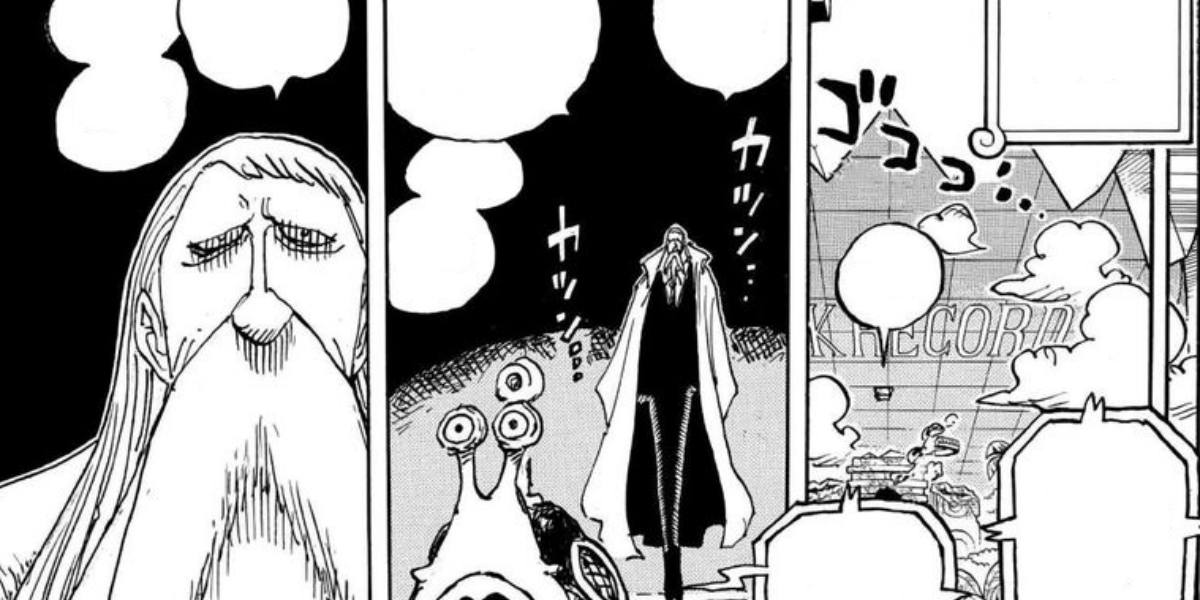
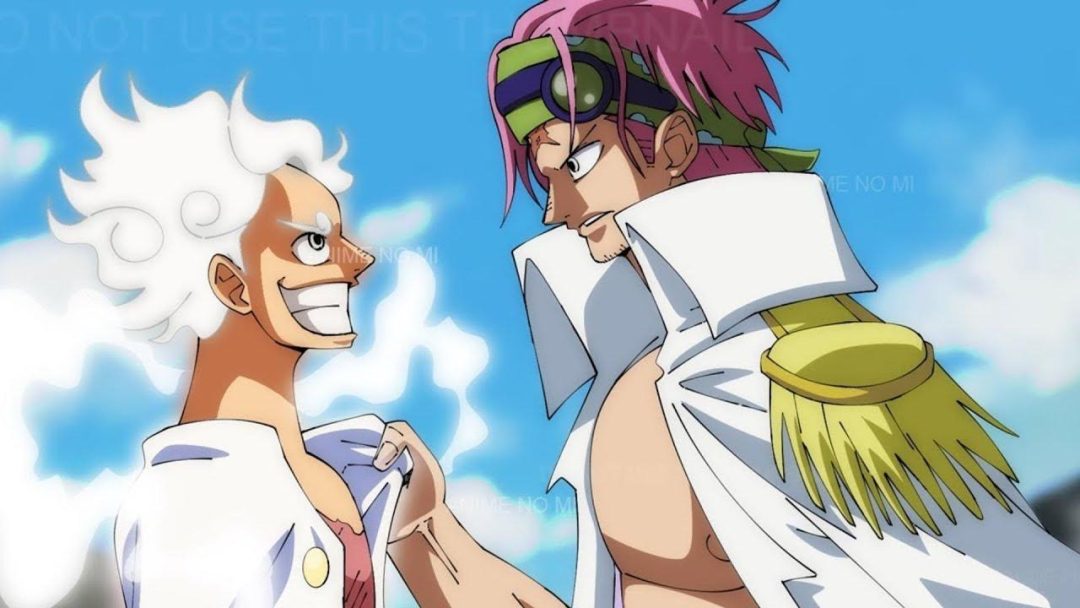
One Piece chapter 1119 is going to pick up right from where the last one left off. In the previous chapter, fans got to see both Luffy and Bonney transforming into Gear 5 together in an attempt to fight the Elders. This is precisely where One Piece chapter 1119 will take over from and fans will likely get to see an all-out confrontation between Mars and the duo of Luffy and Bonney right at the beginning. Both of these characters have utilized the power of Gear 5. They are free and boundless, which means they can do whatever they want. In terms of how the combat will go, fans cannot predict anything, and this is simply down to the fact that Gear 5 works in mysterious ways which entirely depends on how the author wants to portray the freedom of the said character. However, in terms of the flow of the battle, one can almost absolutely bet on the fact that both Luffy and Bonney will get substantial blows on Mars, injuring him in the process.
Bonney, I don’t know how your abilities work, but I’m sure you can do this!!
Oda absolutely isn’t going to have Bonney utilize Gear 5 and then see her get overwhelmed by an Elder. This is her chance to get one in on the Elders that caused her a lot of pain, and fans will definitely get to see that. It is also possible that fans will get to see two Elders fight Luffy and Bonney. If Luffy ends are fighting against Mars, then, it is possible that Bonney will take on Saturn and injure him in battle. This would also be symbolic, because Saturn was directly responsible for causing Bonney a lot of pain, and her damaging him here in some way or form would be exciting for both Bonney and the fans.
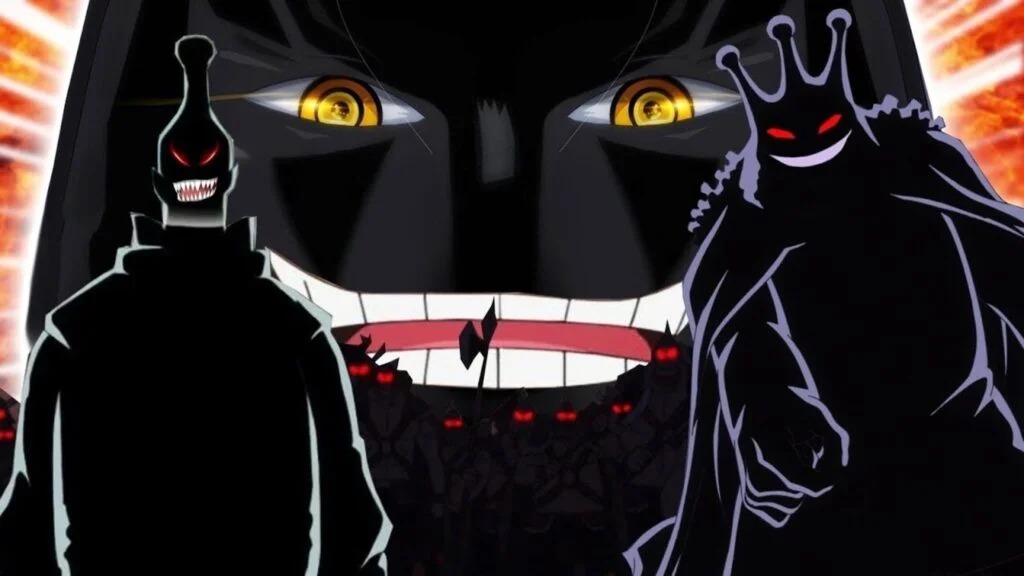
At the same time, One Piece chapter 1119 is most likely also going to focus on Luffy hurting the elders. Luffy has done tremendous damage to the Elders throughout this art, however, all this damage has been proven to be inconsequential. This is simply down to the fact that the Elders have a bizarre ability to regenerate from every blow that they take. It is almost as if they’re immortal, and given that they have lived for hundreds of years, the idea that they can essentially heal from any damage that they take is very plausible.
However, it is also possible that Oda will give fans a key to damaging the Elders in the arc, specifically as the Straw Hats prepare to leave. This could come right here, as Luffy and Bonney fight against the Elders, and the key itself could be provided by none other than the Iron Giant.
The Iron Giant Reemerges
The Iron Giant Wants To Cross Paths With Nika
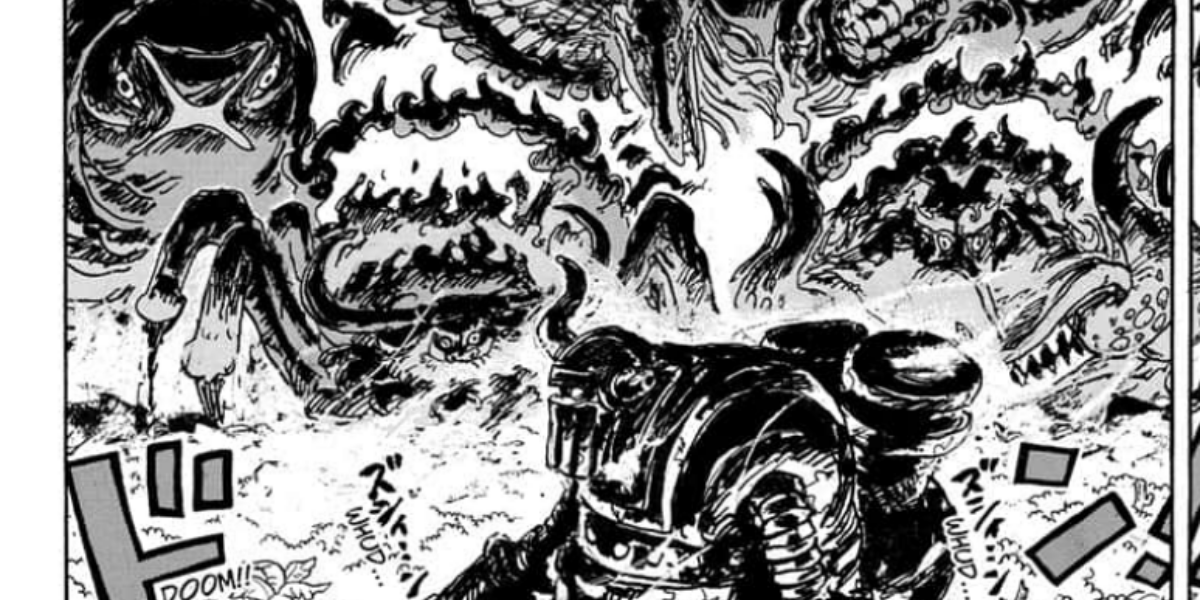
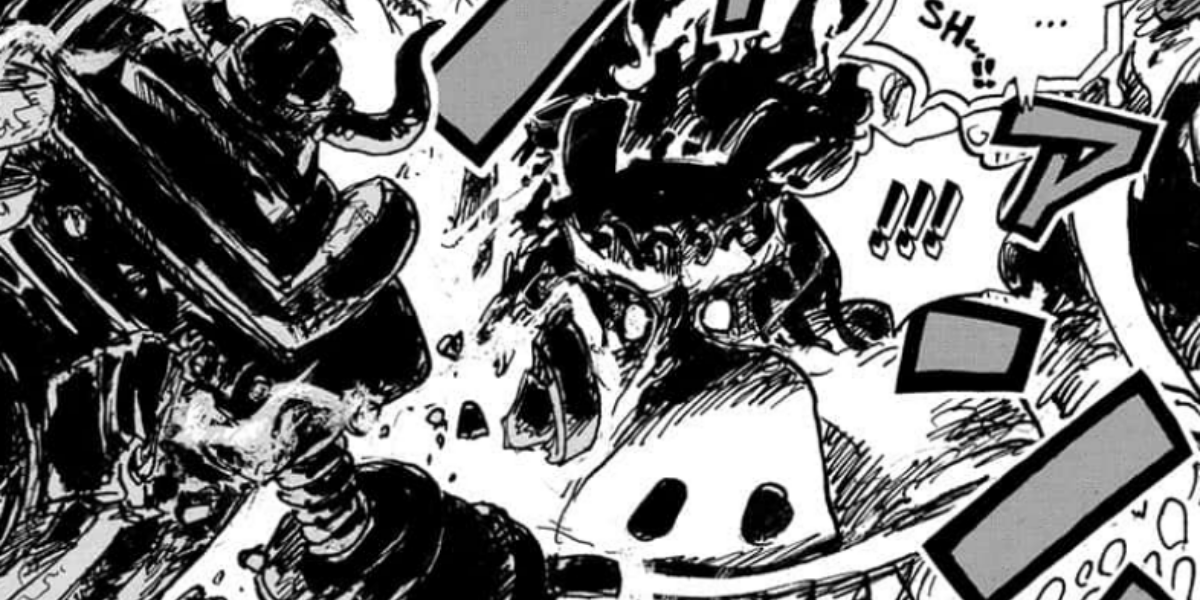
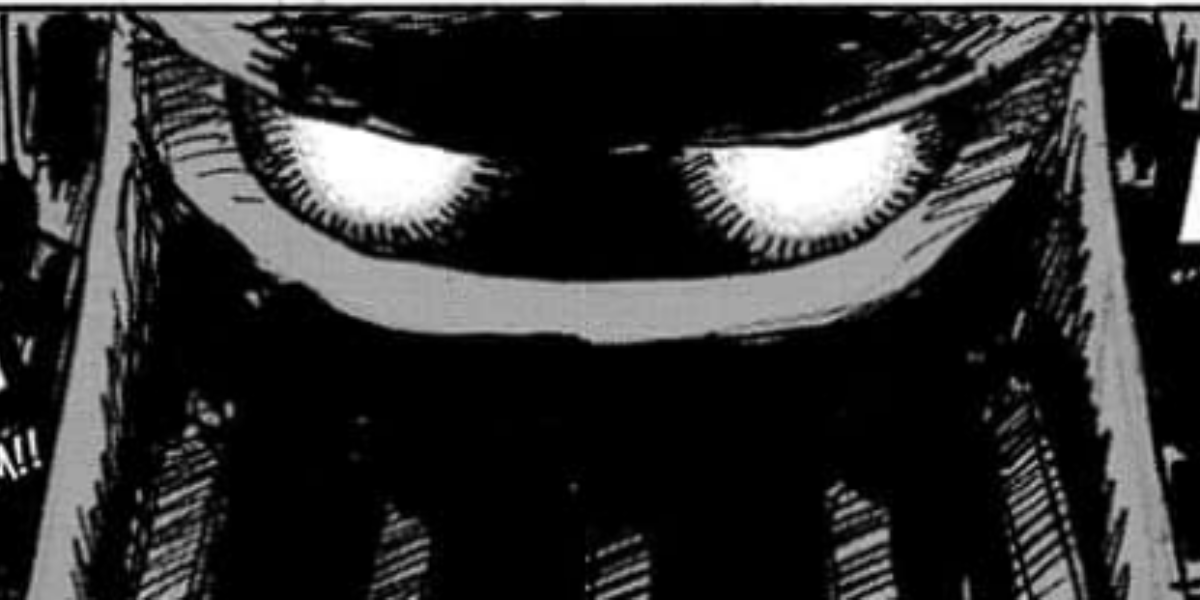
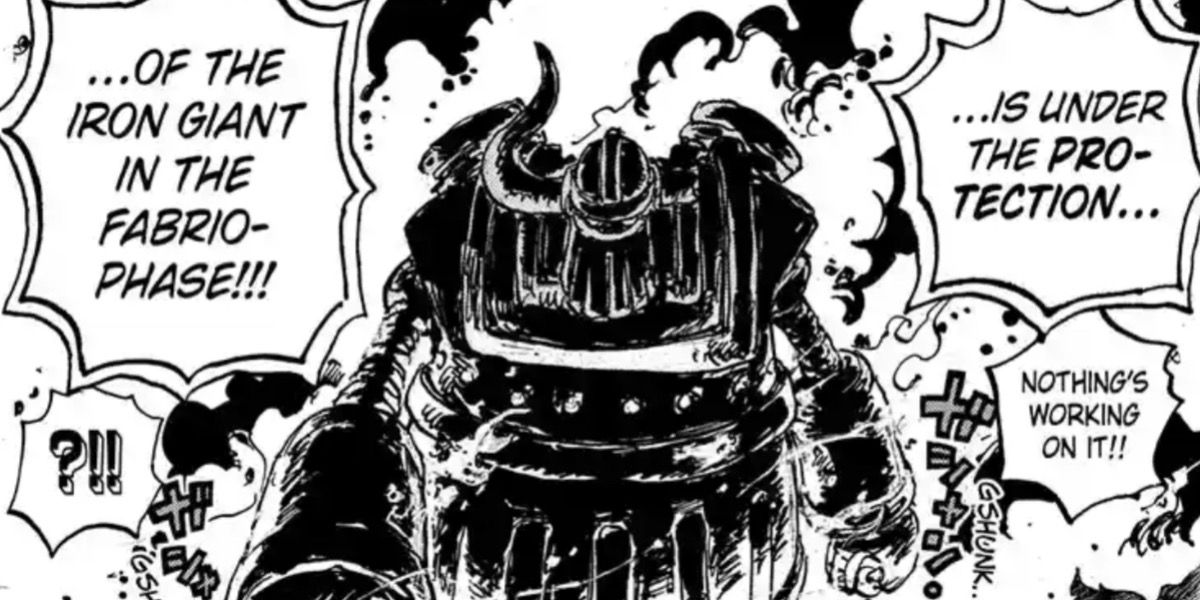
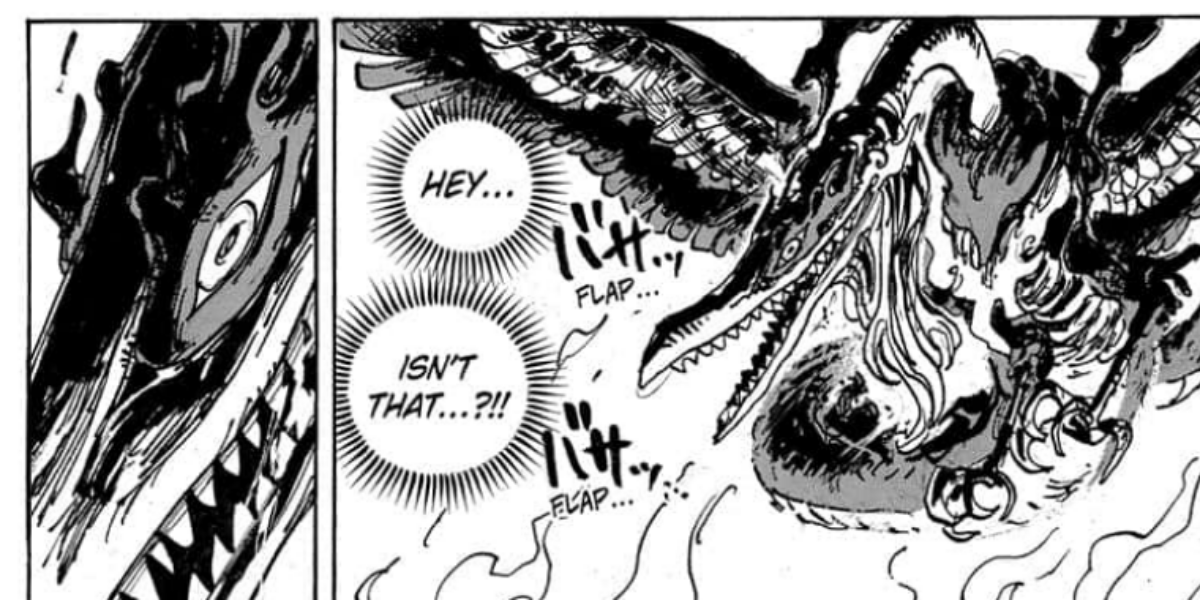
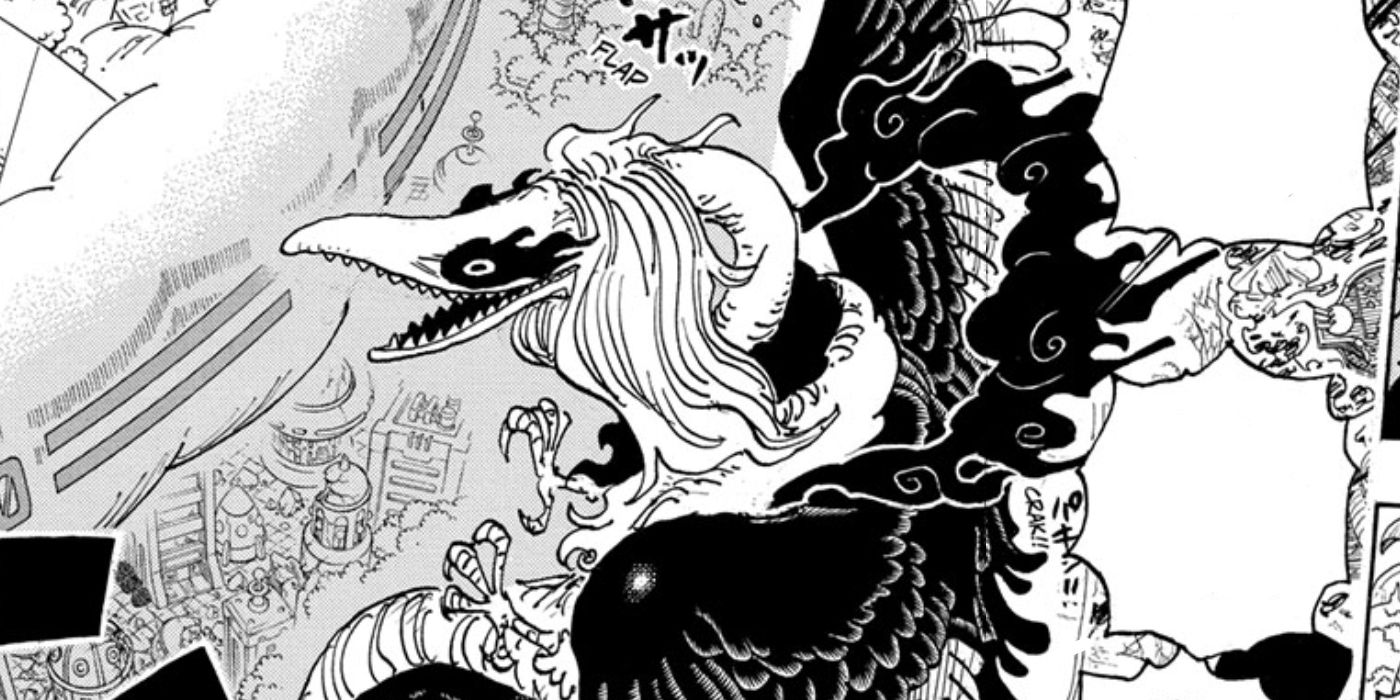
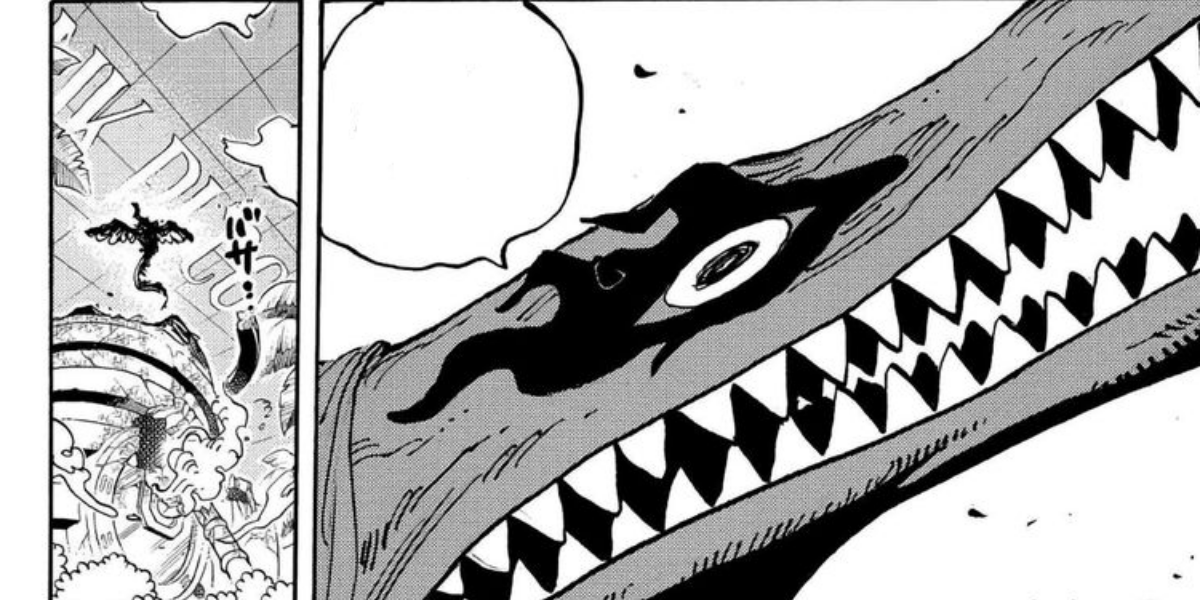
One Piece chapter 1119 could potentially see the return of the Iron Giant. In the previous chapter, the Iron Giant was sinking into the ocean. Surprisingly, the Iron Giant lost its will to fight and this was because Nika was no longer on Egghead. It appears that only when Luffy has transformed into Nika can the Iron Giant sense his presence. Whenever Gear 5 is off, Nika isn’t sensed by the Iron Giant anymore, which then implies that Joy Boy was able to maintain the Nika transformation forever. Otherwise, the Iron Giant would be aware of the fact that this transformation can turn off as well.
Joy Boy! You were there just moments ago. I wanted our paths to cross once again!
Regardless, fans know that both Luffy and Bonney have turned into Nika now, and both of them have heartbeats of the Drums of Liberation, which must have amplified the Iron Giant even more. Fans should definitely expect the Iron Giant to swim up in One Piece chapter 1119, and potentially fight alongside Luffy and Bonney. The iron giant wanted to cross paths with Luffy, and he lamented that in the previous chapter. Now, it is an opportunity for him to get up and fight alongside Nika, especially since he felt his heartbeat again towards the end of the chapter. The Iron Giant has a huge role to play in One Piece chapter 1119, and fans will most definitely get to see it come up.
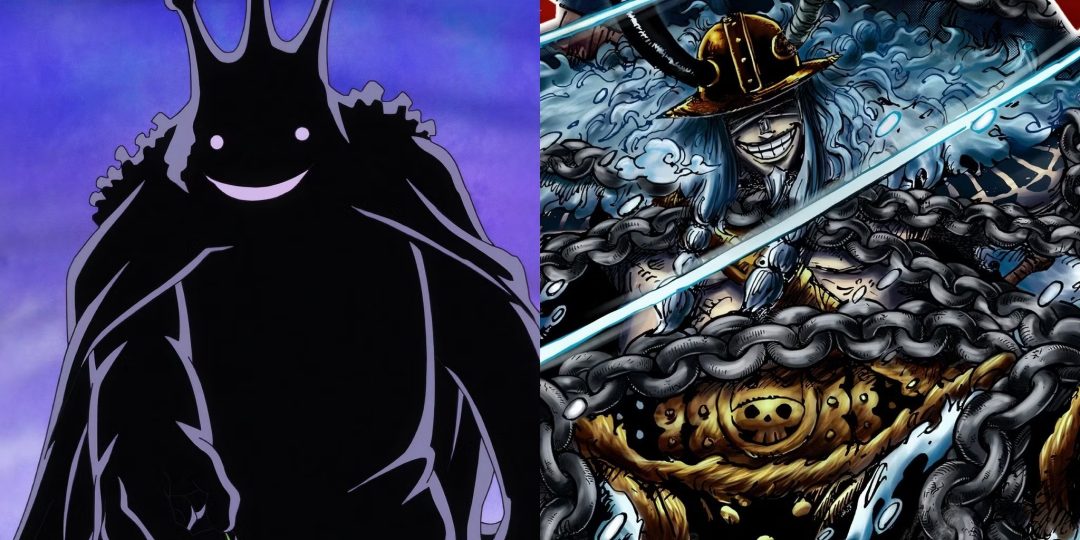
Most importantly, fans might see the Iron Giant play a massive role in terms of damaging the Elders. So far, every attack that has been landed on the Elders has proven to be inconsequential, as explained above. However, this immortality of the Elders could potentially be bypassed using Ancient Energy that is utilized by the Iron Giant. Potentially, the Iron Giant can use his energy to injure the Elders permanently, and then, Luffy and all the others will finally get the hint as to how to deal with these threats properly in battle.
The Egghead Escape Begins In One Piece 1119
The Escape From Egghead Island Is Just A Few Chapters Away Now
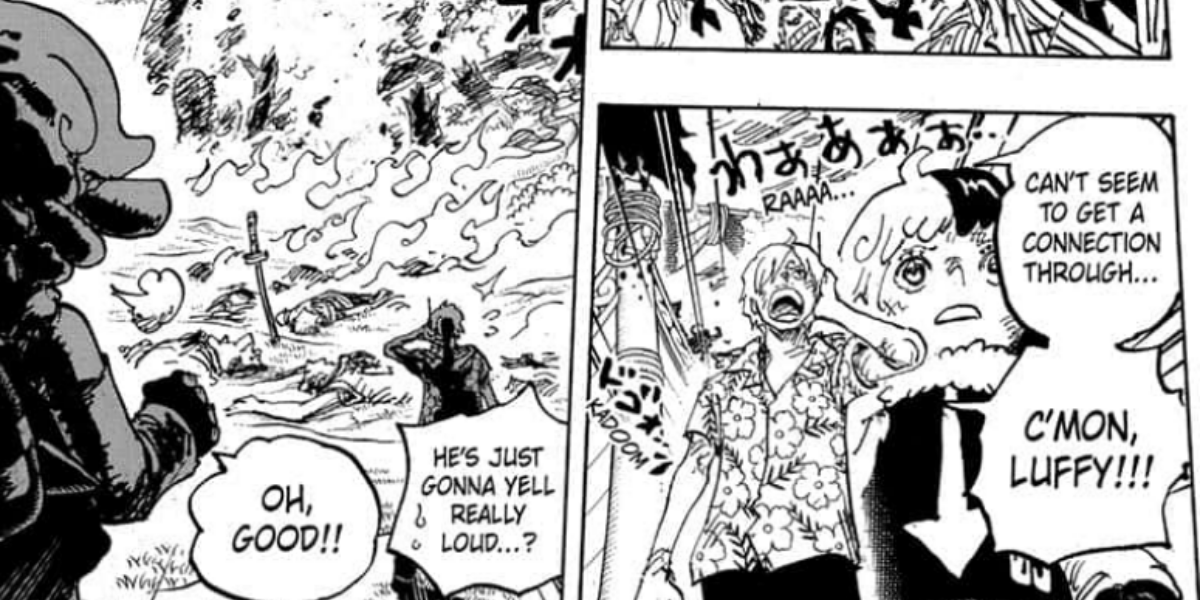
It is no surprise that the Egghead Island arc of One Piece is edging close to its conclusion. One Piece chapter 1119 should speed up this escape even further. While fans will definitely get to see combat in OP chapter 1119, it shouldn’t take away from the fact that escape is still the priority. Mars tried to stop the escape in the previous chapter, and he will continue to do that, but with Bonney and Luffy on the ship, it will be difficult for him to do so. Saturn could try to intervene, but he will be pushed back as well. Any Elder who tries to do anything will most likely face the wrath of the Straw Hat Pirates now, which means that an escape is inevitable at this point.
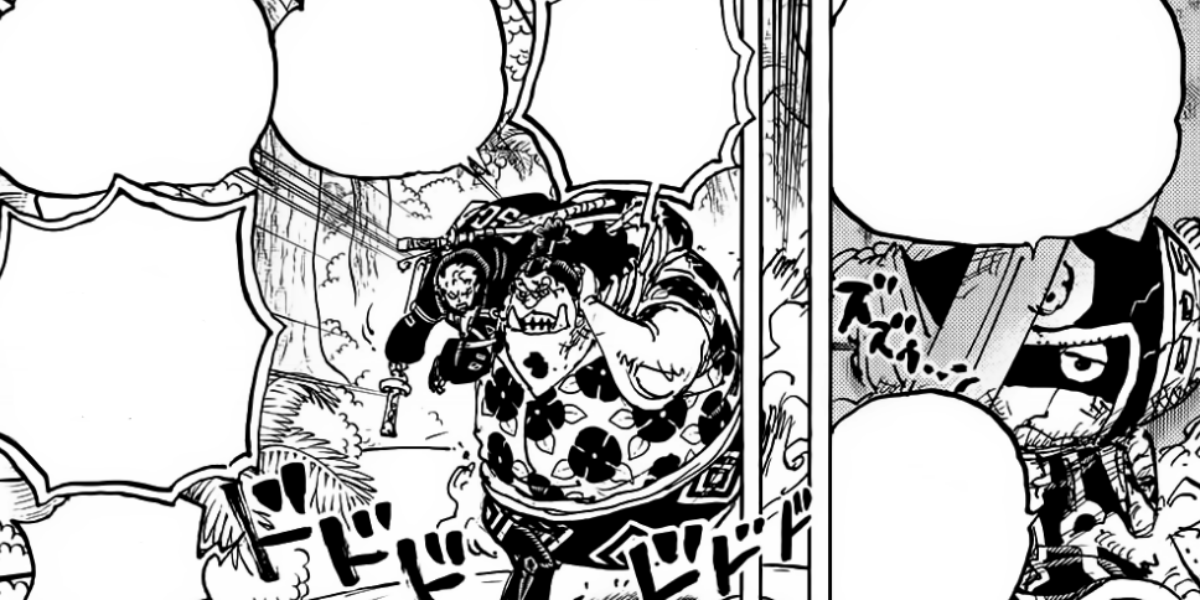
Furthermore, fans will most likely see the Straw Hat Pirates on the Labophase jump down and escape as well. It appears that Nujsuro is closing in on the Straw Hats that are on the Labophase, but Zoro and Jinbea are strong enough to hold him off and see the ship and jump down. The next chapter should see them descend to the sea and continue their journey towards Elbaf with the Straw Hat Pirates.
Of course, the goal here is to protect both Atlas and Lilith, however, whether that is going to be possible or not remains to be seen. It is highly likely that only one Vegapunk will remain, and fans will have to see which one Oda is willing to sacrifice soon enough. Regardless, the Straw Hats are all going to escape very soon and the Elders are likely going to fail in their attempt to stop them, and eliminating all Vegapunks.