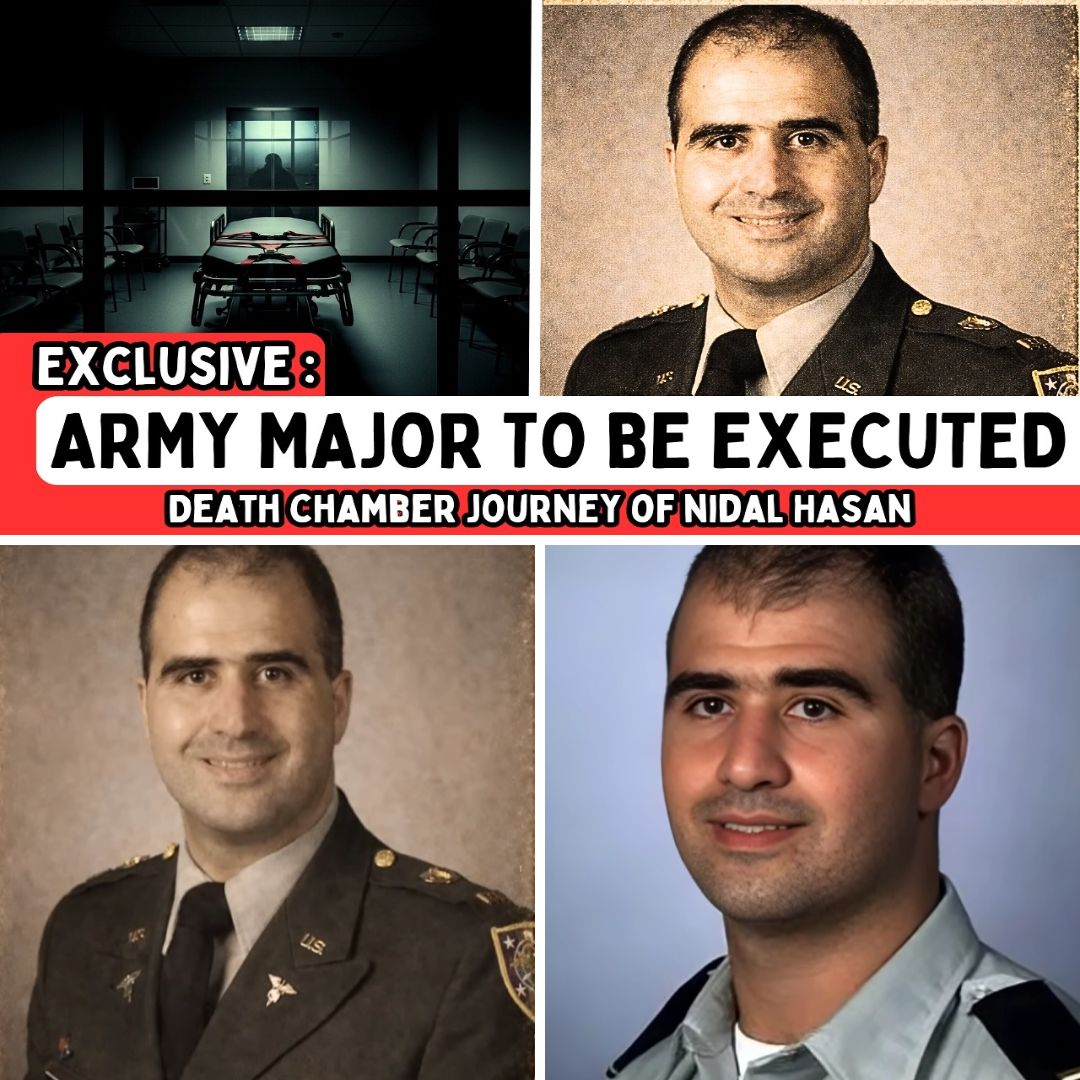
On November 5, 2009, the deadliest mass shooting at a U.S. military installation in history unfolded at Fort Hood, Texas. Army Major Nidal Malik Hasan, a U.S.-born military psychiatrist, opened fire inside the Soldier Readiness Processing Center, killing 13 people — 12 soldiers and one civilian — and wounding more than 30 others. What made the attack particularly devastating was not just the body count, but the growing evidence that multiple red flags had been ignored by both the Army and the FBI in the years leading up to the tragedy.
Hasan, now in his mid-50s and paralyzed from the waist down after being shot by responding police officers, was sentenced to death in 2013. As of mid-2026, with appeals largely exhausted and renewed focus on execution timelines, his case continues to fuel intense debate about radicalization, institutional accountability, and the challenges of identifying “insider threats” within the U.S. military.
Background: From Promising Officer to Radicalized Extremist
Nidal Malik Hasan was born in 1970 in Arlington County, Virginia, to Palestinian immigrant parents. He joined the U.S. Army in 1997, following a path that many second-generation immigrants took — seeking structure, education, and service. Hasan excelled academically, earning a medical degree and specializing in psychiatry. He completed his residency at Walter Reed Army Medical Center and was later assigned to Fort Hood.
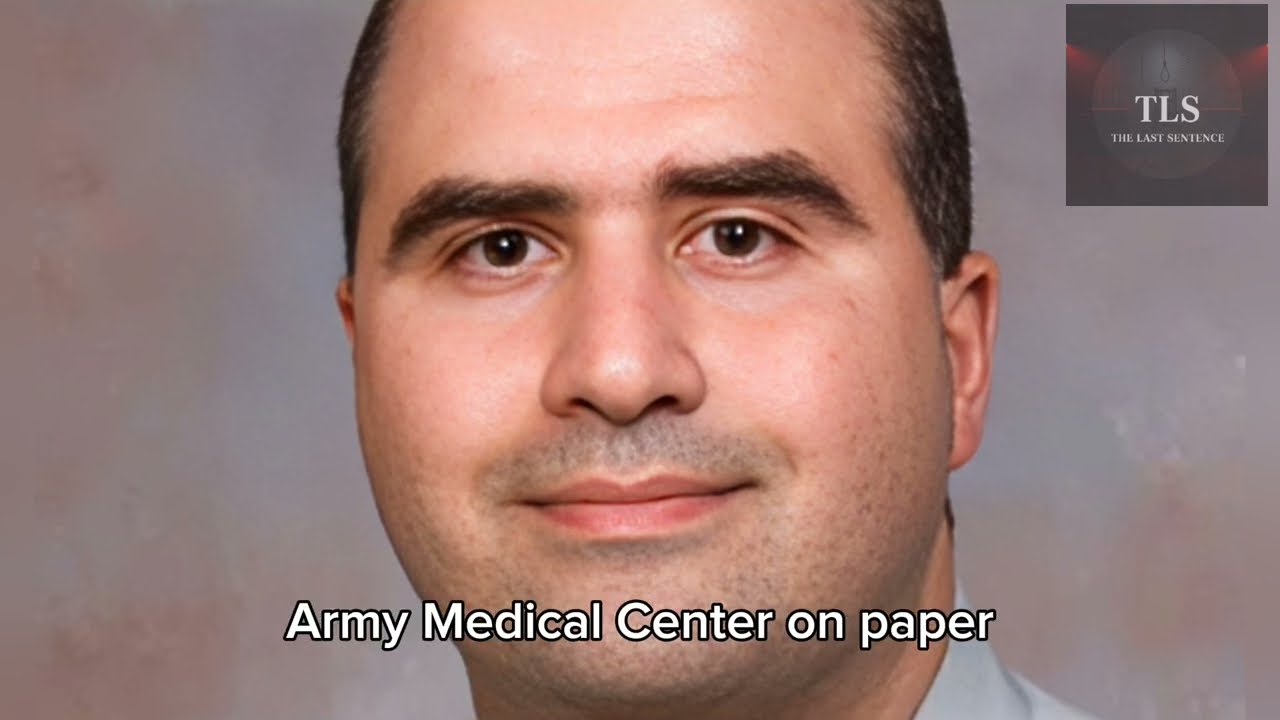
By all outward appearances, Hasan was a dedicated officer. However, behind closed doors, warning signs emerged. Colleagues and superiors noted his increasingly radical views. He openly criticized U.S. foreign policy in the Middle East, expressed sympathy for Islamic insurgents, and reportedly told patients that the wars in Iraq and Afghanistan were unjust. In presentations and emails, he explored topics such as “The Qur’an and the Modern Soldier” and questioned whether Muslims in the military could be loyal to the United States.
One particularly alarming incident involved Hasan’s communication with Anwar al-Awlaki, the American-born radical cleric later linked to al-Qaeda. Hasan emailed al-Awlaki multiple times seeking religious guidance, including questions about whether it was permissible for Muslims to kill fellow Muslims in the line of duty. The FBI intercepted some of these communications but ultimately deemed them consistent with Hasan’s professional research as a psychiatrist and closed the inquiry without deeper action.
The Attack: Thirteen Lives Lost in Minutes
On the morning of November 5, 2009, Hasan entered the deployment processing center at Fort Hood armed with two handguns, one of which was a high-capacity FN Five-seveN pistol. Dressed in combat fatigues, he shouted “Allahu Akbar” and began systematically shooting unarmed soldiers preparing for deployment to Afghanistan and Iraq.
The rampage lasted approximately 10 minutes. Victims included soldiers who had survived previous deployments, pregnant women, and support staff. Among the dead was Private Francheska Velez, who was five months pregnant. First responders described scenes of chaos, with bloodied soldiers attempting to drag wounded comrades to safety.
Hasan was eventually shot and paralyzed by civilian police officers Sergeant Kimberly Munley and Sergeant Mark Todd. He survived and was taken into custody, later expressing no remorse and declaring that he was acting to protect Taliban and other Islamic fighters.
Systemic Failures: What the Army and FBI Knew
The Fort Hood shooting exposed critical lapses in intelligence sharing and threat assessment. Hasan’s radical statements during grand rounds presentations were dismissed as academic curiosity. His poor performance reviews and behavioral issues were not adequately addressed. The FBI’s Joint Terrorism Task Force had monitored his contacts with al-Awlaki but failed to connect the dots to potential violence.
A subsequent independent review by former FBI Director William Webster and a Department of Defense report highlighted “institutional failures” and a reluctance to confront potential radicalization within the ranks for fear of appearing politically incorrect. These findings led to policy changes, including improved threat reporting protocols and better coordination between military and intelligence agencies. However, many families of the victims felt the changes came too late.
Trial, Conviction, and Ongoing Appeals
Hasan represented himself during much of his 2013 court-martial, refusing to mount a traditional defense and instead using the proceedings to espouse his ideological views. He was convicted on all charges and sentenced to death. Because the military has not carried out an execution since 1961, Hasan’s case has languished amid appeals focusing on his paralysis, claims of inadequate representation, and broader constitutional challenges to the death penalty.
As execution momentum builds in various states and the military reviews its capital punishment protocols, Hasan’s fate remains a flashpoint. Supporters of the death sentence argue it is the only appropriate punishment for an officer who betrayed his uniform and oath. Critics, including some anti-death penalty advocates, question whether executing a paralyzed man serves justice or vengeance.
Broader Lessons and Lasting Impact
The Fort Hood massacre forced the U.S. military to confront uncomfortable truths about insider threats, radicalization, and the balance between cultural sensitivity and national security. It led to the creation of new behavioral threat assessment programs and emphasized the need for vigilance without profiling.
For the survivors and families of the 13 fallen, the pain remains raw. Annual memorials and advocacy efforts keep the victims’ names alive: Michael Cahill, Libardo Eduardo Caraveo, Justin Michael DeCrow, and others who died serving their country on American soil.
Nidal Hasan’s case stands as a tragic reminder that threats can emerge from within. Despite multiple opportunities to intervene, systemic inertia and hesitation allowed a dangerous individual to act. As the possibility of execution draws closer, the nation is once again forced to reflect on the balance between justice, security, and the hard lessons learned from one of the darkest days in modern U.S. military history.


