The fog that swallowed the fields of Lorraine on the morning of September 19, 1944, was not just weather; it was a shroud of destiny. Inside that impenetrable gray, a 26-year-old lieutenant from Kansas, perched in the turret of a Sherman tank, heard the low, guttural growl of diesel engines. He counted them in the dark: three, five, eight, twelve.
They were the newest Panthers the Reich could build, rolling straight toward a position that German High Command was convinced was a fatal American error. They could not have been more tragically mistaken.
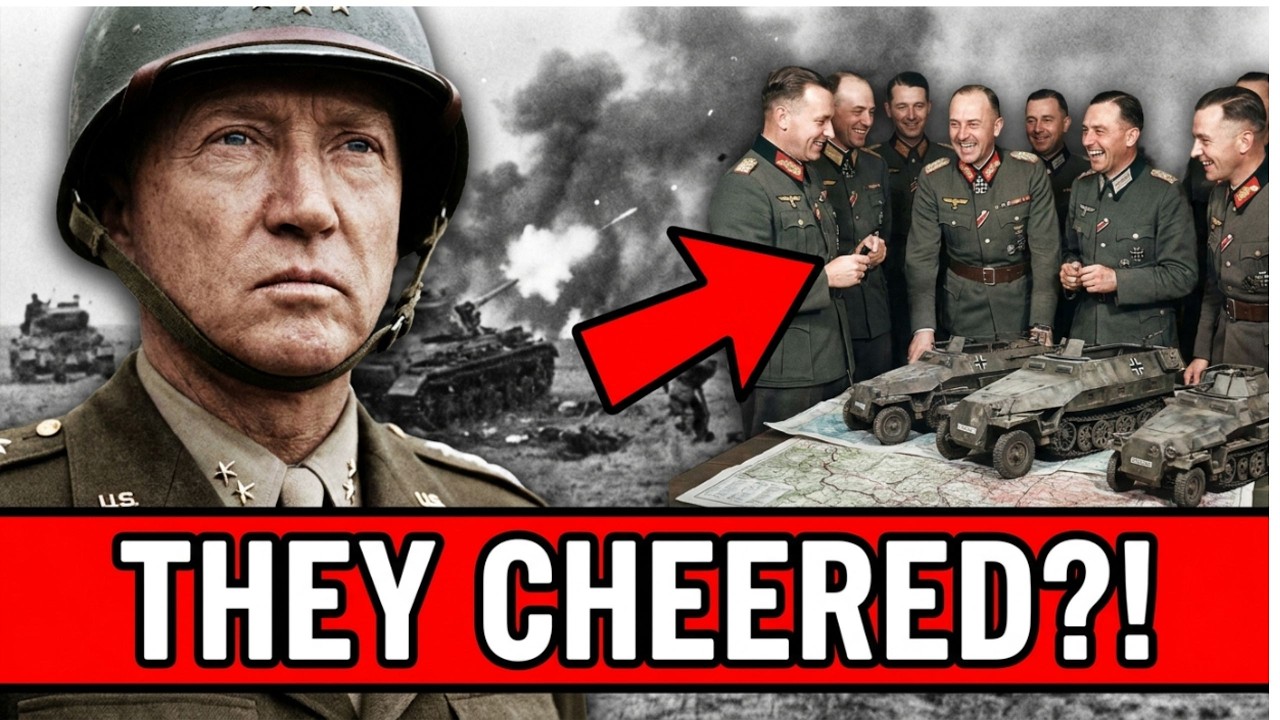 The seeds of this catastrophic miscalculation were sown six weeks earlier, in the breakout from Normandy. After two years of waiting, General George S. Patton’s Third Army had been unleashed, achieving the fastest mechanized advance in American military history.
They swept across France, liberating towns and dismantling the German 7th Army with such speed that they literally outran their own supply lines. By August 31st, however, the dream stalled on the banks of the Moselle River. The fuel ran dry.
Patton was ordered to halt, his army frozen for ten agonizing days while Supreme Allied Commander Dwight Eisenhower diverted supplies to a doomed airborne operation in Holland. The pause was a gift to the Germans, who used every hour to re-form their shattered divisions and fortify the river line.
When the fuel finally arrived, Patton’s spearhead was led by a man who embodied the very ethos of mobile warfare: Major General John Shirley Wood. Known to his men as “Tiger Jack,” Wood was a 56-year-old cavalryman, argumentative, brilliant, and insubordinate. He commanded the 4th Armored Division, a force built for speed and shock.
At the tip of his spear was Combat Command A, led by Colonel Bruce Cooper Clark, a soft-spoken West Pointer with a lethal tactical mind. By mid-September, they had pushed across the Moselle, rolling past the village of Arracourt and digging in on the high ground, waiting for the infantry to catch up. They were 𝓮𝔁𝓹𝓸𝓼𝓮𝓭.
Their flanks were open. On a German map, it looked like an invitation.
 And the Germans accepted. In East Prussia, Adolf Hitler, desperate for a victory in the West, ordered a massive counter-offensive. Three new Panzer Brigades, equipped with the newest Panther tanks, were thrown into the fray.
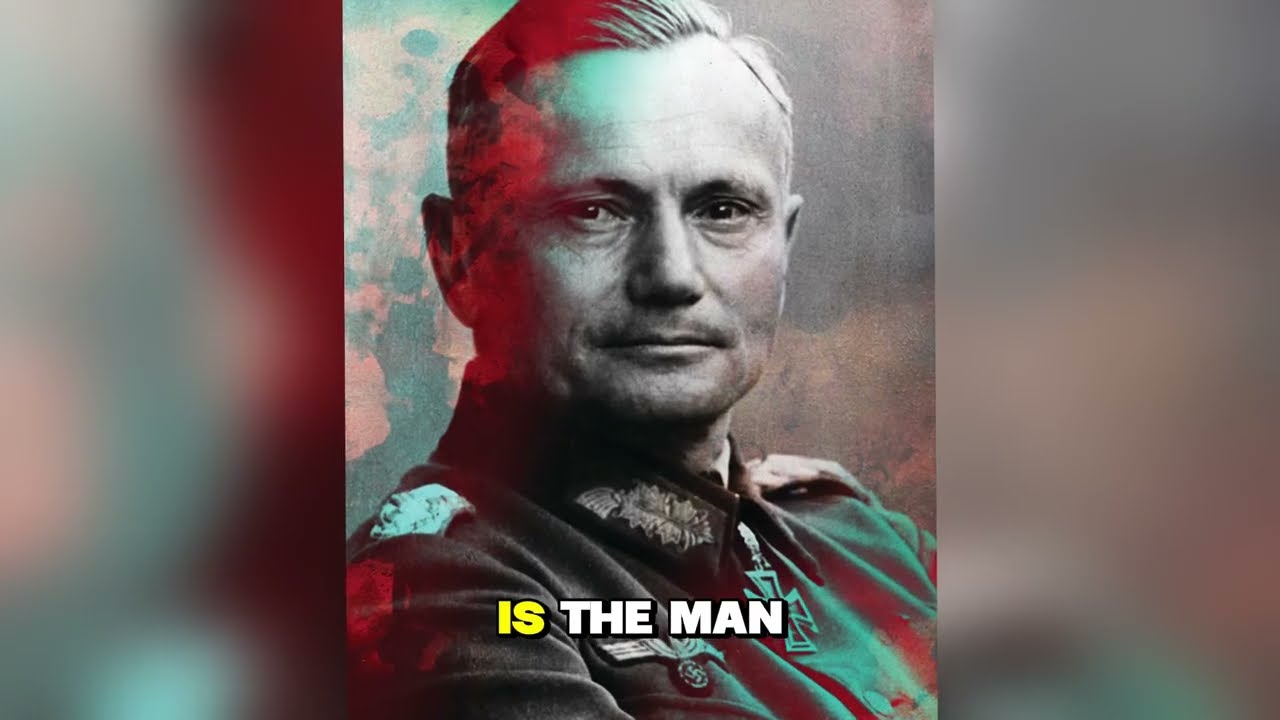
The crews were not veterans; many had less than six weeks of training, some having met their tank crews for the first time on the train ride to the front. But their generals, Hasso von Manteuffel and Hermann Balck, looked at the map and saw the same thing their Führer did: an overextended American general who had pushed too far. They saw Patton’s position as a fatal mistake, the opening they needed to slice through the Allied lines.
They were looking at a trap. Colonel Clark had anticipated the attack. His cavalry screen had reported the troop movements; his intelligence officers had intercepted the radio chatter.
As the fog rolled in on the morning of September 19th, Panther columns from Panzer Brigade 113 rolled forward without infantry reconnaissance, convinced they were facing a broken enemy. Instead, they drove directly into the 𝓀𝒾𝓁𝓁 zone of the 37th Tank Battalion, commanded by a relentless young officer named Creighton Abrams, and the tank destroyers of the 704th Battalion. At ranges of less than 100 meters, the Americans opened fire.
The Panther’s vaunted sloped frontal armor was useless when the Shermans were placing rounds into their vulnerable flanks and rear. Tank after tank erupted in a hellfire of burning diesel and exploding ammunition.
 The first mistake was believing the propaganda. The second was forgetting American firepower. When the fog finally lifted on September 23rd, the sky turned black with P-47 Thunderbolts from the 19th Tactical Air Command.
They dove on the stalled German columns with rockets and bombs, while American artillery, calling in Time-on-Target missions, could bring a hundred shells down on a single point within seconds. The battalions of German Panthers, commanded by boys terrified and inexperienced, were being dismantled. By the 25th, Panzer Brigades 111 and 113 were combat ineffective.
When the veteran 11th Panzer Division was committed as a final reserve, they walked into the same grinder, losing more than half their armor. The Germans kept pushing because Hitler refused to authorize a retreat. They did not retreat; they died.
By the time the fighting subsided at the end of September, the result was a lopsided American victory. Over 200 German armored vehicles lay burned out in the wheat fields, while the Americans lost roughly a tenth of that. The 5th Panzer Army’s grand offensive to crush Patton’s 𝓮𝔁𝓹𝓸𝓼𝓮𝓭 flank had been shattered.
But in the historic aftermath, the truth became complicated. While the men of the 4th Armored Division had won a stunning tactical victory, Patton’s larger campaign in Lorraine stalled. The city of Metz, which he had hoped to take on the move, became a bloody, three-month siege that cost the Third Army over 50,000 casualties.
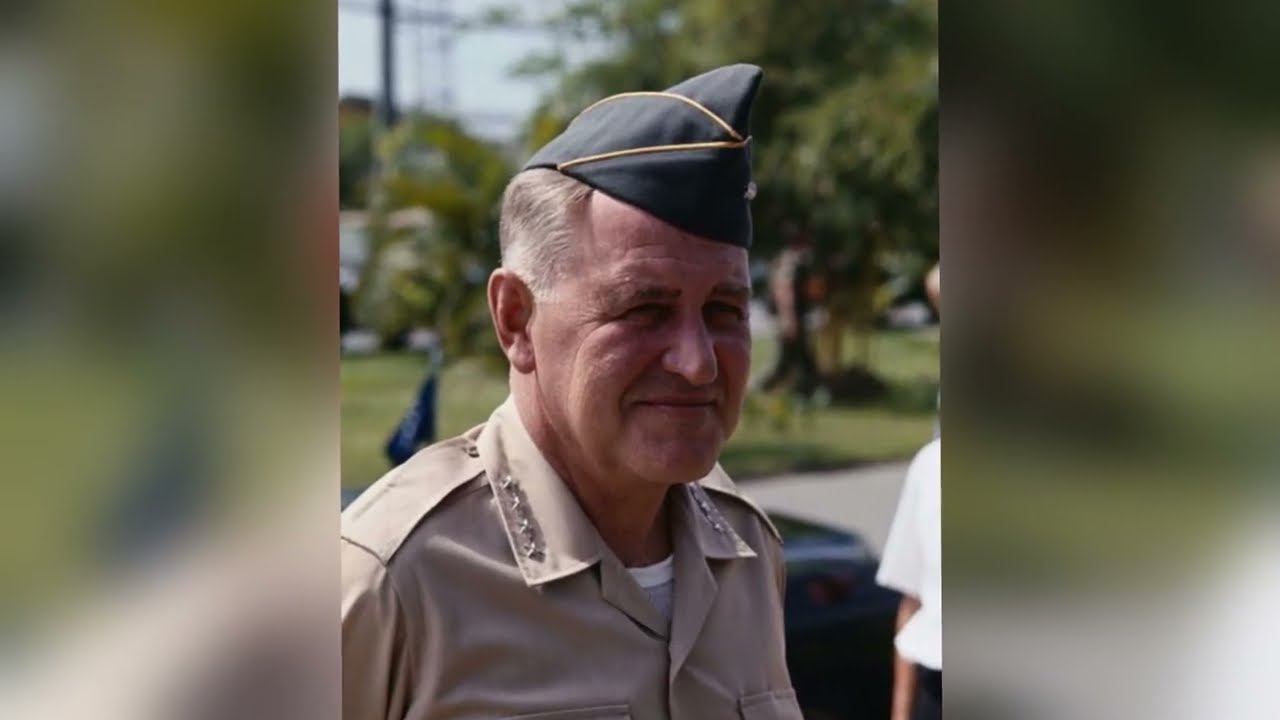 General Wood, the architect of the armored division that won the battle, was relieved of command in December, a victim of exhaustion and friction with his superiors. He returned home, never to command in combat again, his name fading from the history books despite his pivotal role.
The German commanders who survived the war, most notably Friedrich von Mellenthin, would later critique Patton’s handling of the Lorraine campaign, arguing he had allowed himself to be drawn into attritional warfare. But they never questioned the ferocity of what happened at Arracourt. They had been convinced Patton had made a fatal mistake.
Instead, they had witnessed the birth of a new kind of warfare, one based not on superior steel but on superior systems: better radios, instantaneous artillery coordination, air-ground integration, and a training pipeline that turned farm boys into lethal tankers. The Panther was a masterpiece of engineering; the American military was a masterpiece of integration.
In the cold, misty morning after the battle, a young American soldier walked past the wreck of a Panther tank. The crew was gone, the turret torn open by a fire from within. He stopped, not out of awe, but out of exhaustion.
He did not know he was walking through the wreckage of the Wehrmacht’s last great gamble in the West. He did not know that the general who had set the trap was being sent home in disgrace. He only knew the silence, broken only by the crackle of cooling metal, was the most peaceful sound he had heard in weeks.
The tank that would later carry the American army into the future, the M1 Abrams, would bear the name of the man who stood in the turret that day. The battle of Arracourt would prove that the machine could not beat the system. The machine was destroyed; the system marched on.