Historians examining diaries and medical records from doctors in the American West have uncovered a grim reality that Hollywood depictions have largely ignored. Hygiene was so poor in the 1870s and 1880s that bathing was a rare event, with most people in frontier towns washing only once or twice a year. Water was too scarce and expensive to waste on cleanliness, and many preferred spending their money on whiskey over hygiene, covering up body odor with cheap perfume instead. The result was widespread skin infections, with doctors reporting sores that took months to heal, and families sharing a single tub of bathwater until it turned black.
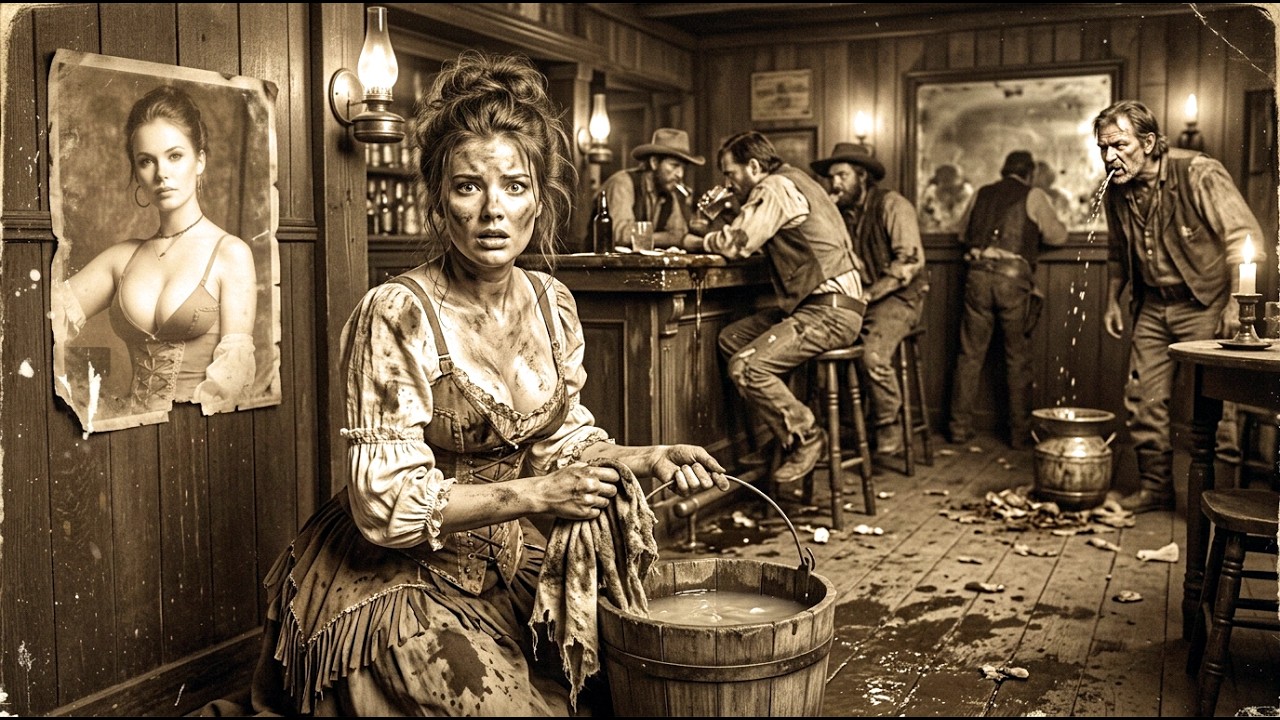
To mask the smell of unwashed bodies, men and women relied heavily on imported perfume, some of which was made from civet secretions. This luxury item worked temporarily, but the strong scent attracted flies and insects, making anyone wearing it a target for swarms of bugs. In a time when hygiene was rare, imported perfume was worth more than a good horse, but the price of vanity was often walking out of a saloon covered in mosquitoes. Dental care was practically nonexistent on the frontier.
Barbers doubled as dentists, pulling teeth with regular blacksmith pliers and no anesthesia. Patients were given a shot of cheap whiskey to brace for the pain before the barber yanked the tooth out with brute force. This was not just a matter of discomfort; oral infections were silent killers. A cavity that progressed into an abscess could turn into sepsis and death within weeks.
Real dentists existed only in big eastern cities, leaving those in mining towns and prairies to trust their fate to the barber’s chair. Basic sanitation was a constant struggle. Outhouses shared by entire families and neighbors were dangerous, especially for small children who sometimes fell into the deep pits. The holes were breeding grounds for worms and insects, and in the summer the smell was unbearable.
With no toilet paper available, people used pages from catalogs or dried corn cobs. At night, afraid of snakes and spiders, many families used chamber pots that sat under the bed where they slept. Drinking water was just as hazardous. Settlers filled their canteens straight from rivers without knowing what was upstream, which often included dead animals, camp trash, and human waste.
The result was cholera outbreaks that could wipe out entire settlements in days. San Francisco lost nearly a thousand people to the disease in a single outbreak in 1850. A person healthy in the morning could be dead by night. Doctors at the time blamed bad air for the disease, not understanding that the water families kept drinking was what was killing them.
Living conditions were equally unhygienic. Cowboys, miners, and soldiers slept packed into unventilated bunkhouses on straw mattresses that became breeding grounds for lice. The constant itching was so normal that men barely noticed it, but the bugs carried typhus, which killed more people than many of the famous gunfights of the era. The drastic fix was shaving the entire head, a service traveling barbers charged a fortune for.
Some men even shaved off their eyebrows to be sure, yet many preferred risking the disease over losing their hair. The scarcity of water meant even washing clothes was a luxury. Cowboys wore the same sweat-soaked, dust-covered shirts for weeks, sometimes months, only changing when the fabric fell apart. Many ranchers owned just two sets of clothes, one on their back and one drying.
The smell was so strong that you could spot a cowboy coming long before you saw him. Without clean water, cowboys turned to desperate measures. Some washed with their own urine, believing the ammonia acted as a cleaning agent, a practice dating back to ancient Romans who even used urine to whiten their teeth. However, the concentrated ammonia caused serious skin irritation, leading to sores and rashes.
In trying to get clean, they created even more health problems. Venereal diseases were a slow death sentence. The standard treatment was mercury, either drank as a liquid or rubbed on as an ointment. Patients traded their disease for mercury poisoning, which caused shaking hands, tooth loss, and eventually full-blown madness.
Many people died believing they were recovering from syphilis, not realizing the treatment itself was killing them. Doctors kept prescribing it for decades. Even a night’s rest at a hotel was risky. With few rooms and high demand, owners squeezed two or three men into the same bed.
Lice, fleas, and bed bugs were guaranteed, but the bigger threat was disease spreading through sheets rarely washed. Syphilis and other infections passed from person to person, leaving many travelers waking up with more than they arrived with. Men’s grooming habits also contributed to the health crisis. Cowboys chewed tobacco all day, soaking their beards with brown-stained spit.
The effort of hygiene was minimal, leading to mouth infections reaching epidemic levels. Tobacco mixed with poor hygiene turned mouths into complete disasters. Most people had no idea about germ theory. They made soap from campfire ash and animal fat, but they washed their hands in the belief they were clean without knowing bacteria even existed.
Louis Pasteur’s discoveries took decades to reach rural communities. Surgeons operated without gloves and wiped their instruments on their aprons, while doctors debated whether handwashing made any difference. Diet was another source of illness. Fresh milk soured within hours without refrigeration, but families drank the fermented milk anyway, often believing it was good for the stomach.
Dangerous bacteria multiplied, causing bouts of diarrhea that could last for weeks, killing many children and the elderly in an era without antibiotics or understanding of contamination. Shared personal items spread disease through entire communities. Families passed down the same bone comb to get rid of lice, but nobody cleaned it, so every head that used it picked up bugs from the person before. Neighbors lent combs to each other, and travelers carried them, allowing a single family to infect a whole town without knowing it.
The answer to how the pests spread was in everyone’s pocket, used every single day. When cowboys felt a toothache coming, they reached for whiskey as mouthwash, believing alcohol killed infections. Barbers swore by it, using it even to clean bullet wounds. But frontier whiskey was full of molasses and impurities that fed bacteria, accelerating the formation of cavities.
Cowboys lost entire rows of teeth following this advice, when clean water, hard to come by on the dusty trails, would have worked better. Even the iconic bandana was a health hazard. Cowboys wore them to protect against dust, but rarely washed them, leaving the cloth caked with mucus, sweat, and dirt. The mixture of grime and moisture led to respiratory infections.
Taking the bandana off meant swallowing dirt and struggling to breathe, leaving cowboys choosing between two bad options. Rivers used for bathing were the same waters used for washing clothes, dumping trash, and disposing of dead animals. Whole towns poured sewage straight into the water, causing dysentery outbreaks that killed entire families. Doctors continued to believe bad air caused the disease, with the truth only emerging decades later when scientists discovered bacteria in contaminated water.
Even the simplest daily tasks were dangerous. Without toilet paper, cowboys used leaves, corn cobs, smooth stones, or catalog pages, and many used nothing at all, causing infections and constant irritation. Latrines were kept far from houses because of the smell, making bathroom trips in freezing winters or scorching summers a painful ordeal. Toilet paper existed since 1857 but was too expensive for most people, remaining a luxury only the richest city dwellers could afford.
Men tried to combat lice by rubbing bear grease into their hair to kill the bugs and add shine. But the animal fat attracted flies all day, and in summer heat, the melted grease ran down their faces. Despite the side effects, they kept using it because they had few alternatives. One of the most disturbing habits was sleeping in boots.
It was a matter of survival, with boots costing two months’ pay and thieves prowling camps at night. But weeks without taking the leather off created the perfect environment for fungus and bacteria. Military doctors documented cases of trench foot decades before the World Wars. The skin literally rotted, with some men losing toes and others their entire foot to gangrene.
Movies show stylish cowboys drawing revolvers, but they never show the stench of rotting flesh in a cattle camp, a part of history Hollywood preferred to keep buried.