In a haunting culmination of a nearly three-decade saga, Freddy Eugene Owens was executed on September 20, 2024, in South Carolina, a case that has stirred deep emotions and intense debates over justice and the death penalty. His story, marked by violence and tragedy, began with the murder of gas station clerk Irene Graves in 1997.
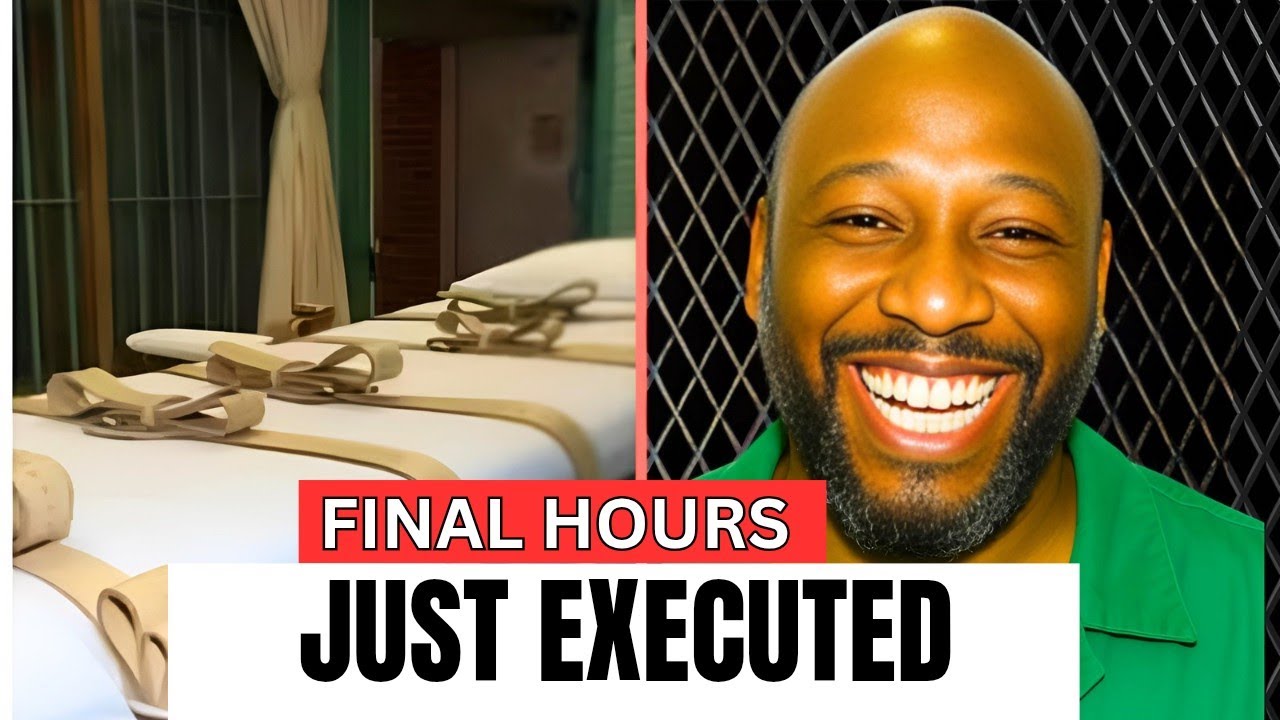 Owens, then just 19, was convicted largely based on the testimony of his accomplice, Steven Golden. However, in a 𝓈𝒽𝓸𝒸𝓀𝒾𝓃𝑔 twist just before Owens’ execution, Golden claimed he had lied during the trial, asserting that Owens was not present during the crime. Despite this last-minute revelation, the South Carolina Supreme Court dismissed the motion, citing a lack of credible evidence to overturn Owens’ conviction.
The path to his execution was paved with a history of violence. Just hours after being found guilty of murdering Graves, Owens killed his cellmate, Christopher Brian Lee, in a brutal attack that shocked even those familiar with his violent past. In a fit of rage, he stabbed Lee and inflicted further harm, all while in a prison environment that should have provided safety. This act solidified his reputation as a dangerous individual, leading to a death sentence.
 Born into a turbulent life in South Carolina on March 18, 1978, Owens faced instability from a young age. He was removed from his home due to 𝓪𝓫𝓾𝓼𝓮 and neglect and moved through a series of foster homes, ultimately returning to a family environment that continued to expose him to violence. Diagnosed with antisocial personality disorder, Owens struggled with authority and trust, setting the stage for his later actions.
On that fateful night in November 1997, Owens and his accomplices planned a robbery that would end in tragedy. When Graves failed to open the store safe quickly enough, Owens shot her, taking her life and leaving her children motherless. The robbery netted a mere $37.29, a stark reminder of the value placed on a life extinguished too soon.

Over the years, Owens maintained his innocence, yet the evidence against him was overwhelming. CCTV footage and witness testimonies painted a damning picture, leading to his conviction and subsequent death sentence. While on death row, Owens underwent a significant transformation, converting to Islam in 2015 and adopting the name Khalil Divine Black Son, Allah. He engaged deeply with his faith, even as he faced the reality of his impending execution.
 As the date approached, Owens was presented with the choice of execution methods: lethal injection, electric chair, or firing squad. He declined to choose, citing his religious beliefs that forbade him from participating in his own death. Instead, he entrusted the decision to his attorney, who selected lethal injection on his behalf.
On the day of his execution, Owens was served a final meal of cheeseburgers, fries, a ribeye steak, chicken wings, strawberry sodas, and apple pie. He spent his last hours in prayer, accompanied by a Muslim spiritual advisor, choosing not to meet with family members. When the time came, he simply said “Bye” to his attorney before the execution began.
At 6:55 p.m., Owens was pronounced dead, marking South Carolina’s first execution in 13 years. The event was witnessed by family members of both victims, who had waited decades for a sense of closure. Owens’ story, a tragic intertwining of violence, redemption, and the complexities of justice, leaves lingering questions about the nature of punishment and the human capacity for change. What does true justice look like in the face of such profound loss?