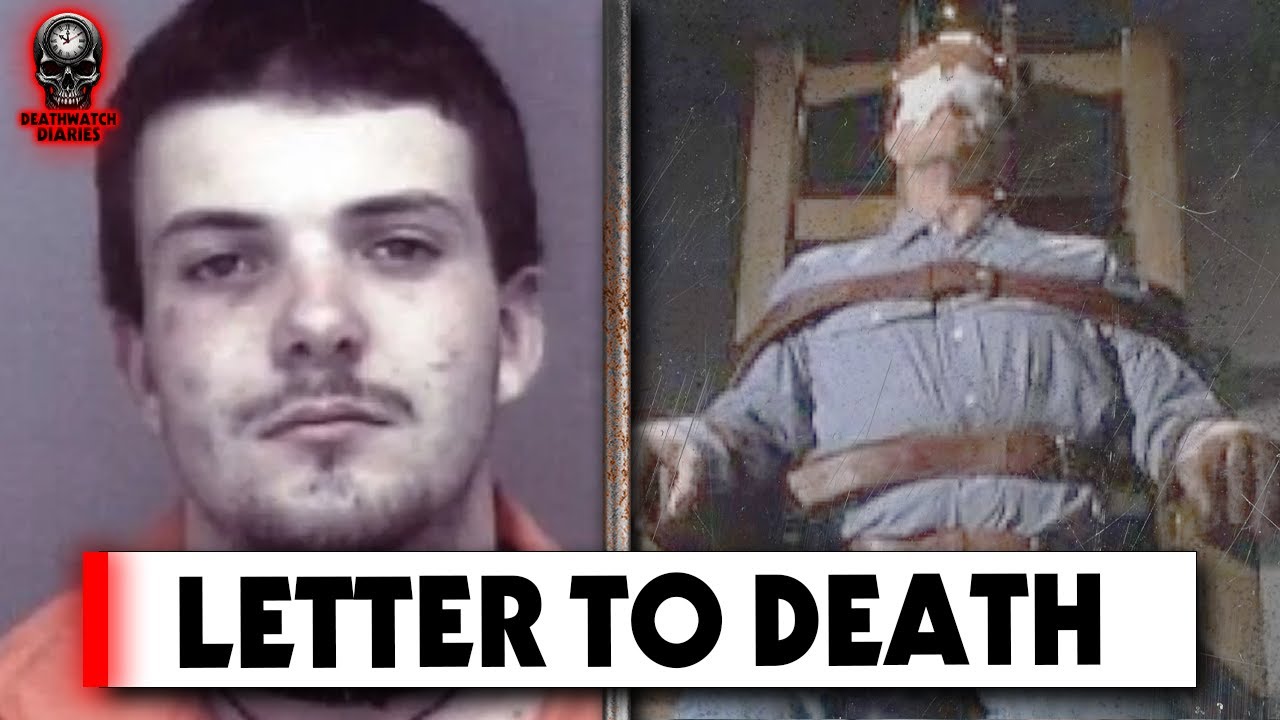
In a haunting tale of vengeance and tragedy, Charles Rodman Campbell, a notorious figure in Washington’s criminal history, faced his final moments after 12 years on death row. On May 27, 1994, the quiet corridors of the Washington State Penitentiary in Walla Walla echoed with the weight of his impending execution, a grim end to a life marked by violence and chaos.
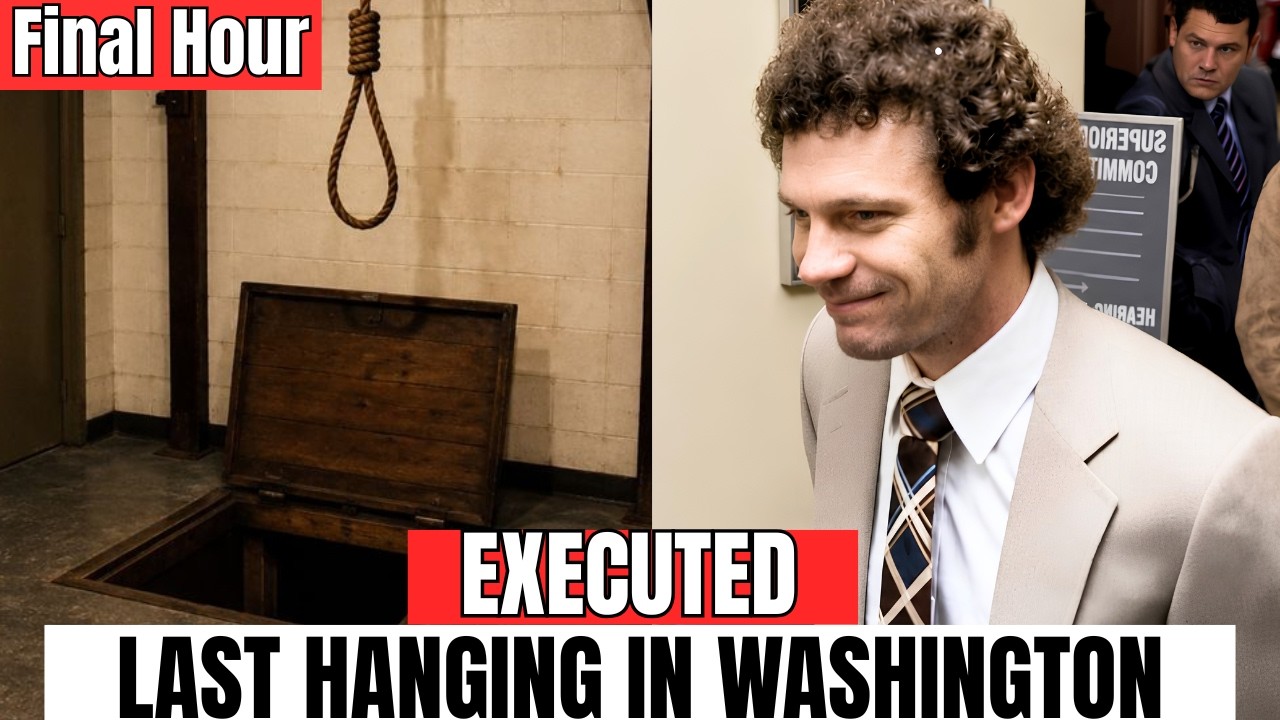 Campbell, convicted of a brutal triple murder, had spent over a decade fighting against his fate, asserting that his life was unjustly taken by a flawed system. As midnight approached, the guards made their way to his cell. Inside, Campbell lay curled on the floor, seemingly paralyzed by the gravity of the moment. Despite his size and strength, he resisted walking to the gallows, requiring the assistance of guards to carry him.
At precisely 12:08 a.m., the trapdoor beneath him opened, marking the end of a long and tumultuous journey. Charles Campbell was pronounced dead just six minutes later, leaving behind a legacy of pain and loss that rippled through the lives of many.
To truly grasp the significance of that night, we must look back at the lives intertwined with Campbell’s. Among those present was Renee Wicklund, a woman whose life was forever altered by his actions. Growing up on a farm in North Dakota, Renee was the epitome of resilience. She moved to Washington, seeking a fresh start, only to find herself in the crosshairs of Campbell’s rage.
In December 1974, while Renee was caring for her young daughter, Shanna, Campbell invaded their home. What followed was a horrific assault that left Renee traumatized and her life shattered. The aftermath saw her marriage crumble, and for years, she lived in fear, never knowing if Campbell would return.

Renee’s courage shone through when she testified against him, leading to his conviction and a 40-year sentence. However, unbeknownst to her, Campbell harbored a deep-seated grudge. After serving only five years, he was released, living just a short drive from Renee’s home, where he meticulously plotted his revenge.
On April 14, 1982, Campbell’s rage culminated in an unimaginable tragedy. He brutally murdered Renee, her daughter Shanna, and their friend Barbara Hendrickson in a calculated attack that shocked the community. The brutality of the crime left indelible scars on those who loved them, and the investigation quickly revealed the personal nature of the violence.
As police pieced together the evidence, it became clear that Campbell had meticulously planned the attack, driven by a desire for retribution. His connection to the victims was undeniable, and the evidence against him was overwhelming. He was arrested days later, with jewelry belonging to the victims found in his possession.

The trial that followed in 1982 was a harrowing experience for all involved. Campbell, seemingly unfazed by the gravity of his actions, sat silently as the details of his crimes were laid bare. The jury found him guilty, and he was sentenced to death, a decision that sparked years of appeals and legal battles.
Throughout his time on death row, Campbell’s mother publicly expressed her belief that the sentence was justified. She had witnessed her son’s descent into violence and had warned authorities about his dangerous nature. Yet, the system failed to heed those warnings, allowing Campbell to slip through the cracks and wreak havoc on innocent lives.
As the years passed, the families of the victims endured a long and painful wait for justice. Finally, in 1994, the state lifted the stay of execution, and Campbell’s fate was sealed. His last meal was a meager selection of fish sticks and salad, a stark contrast to the lives he had taken.

Renee’s sister, Lorraine, and Don Hendrickson, Barbara’s husband, were present for the execution, seeking closure after years of suffering. Lorraine expressed a bittersweet relief, knowing that Campbell could no longer harm anyone.
In a tragic twist, nearly 30 years later, detectives reopened a cold case linked to Campbell. DNA evidence connected him to the murder of Hallie Ann Seaman in 1975, revealing that he had been a predator long before his infamous crimes in Clearview.
This story serves as a chilling reminder of the systemic failures that allowed a violent individual to slip through the cracks, leading to the loss of innocent lives. As we reflect on the consequences of Campbell’s actions, we are left to ponder: how can we ensure that such tragedies are never repeated?