In a haunting culmination of a tragic case that has gripped Texas for over a decade, Cedric Allen Ricks was executed by lethal injection on March 11, 2026. After spending 12 years on death row, the 51-year-old was pronounced dead at 6:55 PM at the Huntsville Unit, a facility known for its high execution rate.
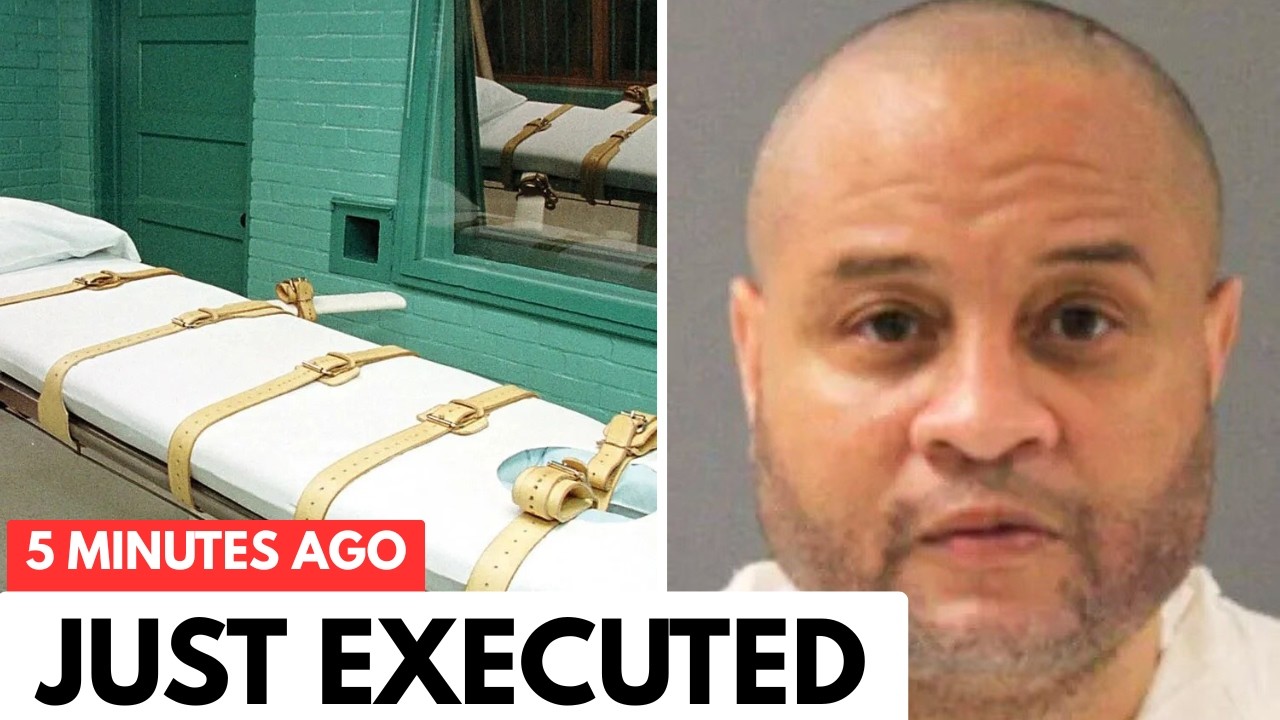 Today, we delve into the chilling details surrounding Ricks’s conviction for the brutal murders of his girlfriend, Roxanne Sanchez, and her young son, Anthony Figueroa, on May 1, 2013. This story is not just about the crime but also about the aftermath and the impact it had on those who survived.
Born in 1974, Ricks lived in Bedford, Texas, a suburban area not typically associated with violent crime. He shared a home with Roxanne, who had two sons from a previous relationship, and together they welcomed a baby boy named Isaiah. However, beneath the surface of this blended family, there were alarming signs of domestic violence. Just a day before the horrific events unfolded, Ricks had appeared in court for assaulting Roxanne.
 On that fateful day, an argument erupted between the couple. In a moment of rage, Ricks retrieved a knife from the kitchen, leading to a violent confrontation that would claim two lives and forever alter the fate of the surviving child, Marcus Figueroa. Reports indicate that both boys attempted to intervene during the attack, but tragically, Anthony did not survive. In a desperate act of survival, Marcus mimicked the sounds of his brother’s death, convincing Ricks he was already gone, which ultimately saved his life.
Following the attack, Ricks fled the scene, but law enforcement quickly tracked him down in Oklahoma. He was charged with capital murder, facing the death penalty due to the nature of his crimes. The trial, held in Tarrant County, lasted about two weeks and featured powerful testimony from Marcus, who bravely recounted the harrowing events of that night. His emotional testimony played a crucial role in the jury’s decision, which took less than an hour to reach a guilty verdict.

Ricks’s legal journey continued for over a decade, filled with multiple appeals, all of which were ultimately denied. His defense raised various arguments, including claims of ineffective counsel and racial bias during jury selection, but none succeeded in overturning his conviction. As his execution date approached, Ricks’s final appeals were also rejected, leaving him with no options remaining.
 Interestingly, the tradition of a last meal for death row inmates in Texas was abolished in 2011, meaning Ricks had no special meal request before his execution. Instead, he received the standard meal provided to all inmates on execution day.
As Ricks faced his final moments, he was given the opportunity to address the families of his victims. He expressed remorse for the pain he caused, specifically addressing Marcus, who had to endure the trauma of that night and the subsequent years. Ricks’s final words were a somber acknowledgment of the suffering he inflicted.
This case raises many questions about justice, forgiveness, and the lasting scars of violence. As we reflect on the lives affected by this tragedy, one can’t help but wonder: what does healing look like for those who survive such unimaginable experiences?