In a haunting tale of tragedy and forgiveness, Michael James Perry’s final moments unfolded in a Texas execution chamber on July 1, 2010. Just 13 days after the death of his father, Perry faced the consequences of a crime that claimed three lives, leaving families shattered and questions lingering about justice and fate.
 At 28 years old, Perry lay strapped to a gurney, two needles inserted in his arms. Behind a glass partition, the families of his victims watched, grappling with their own grief. Among them was his mother, Gail Perry, who witnessed her son take his last breaths. When given a chance for final words, Perry expressed forgiveness to everyone involved in what he called an “atrocity.” He turned to his mother, saying, “Mom, I love you,” before softly whispering, “I’m coming home, Dad,” as a tear rolled down his cheek. At 6:17 p.m., he was pronounced dead.
What sets Perry’s case apart from many others in Texas is the attention it received from filmmaker Werner Herzog, who visited Perry on death row just eight days before his execution. Herzog, a known opponent of capital punishment, reviewed the evidence and concluded that Perry’s guilt was undeniable. This stark reality contrasts sharply with the fate of Jason Aaron Burkett, Perry’s accomplice, who remains alive today.
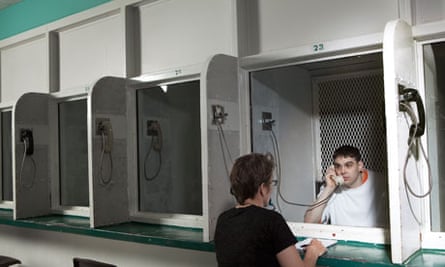
Before their lives took a dark turn, Perry and Burkett were just two young men in Montgomery County, Texas, struggling with their circumstances. On October 24, 2001, their desperation led them to commit a heinous act that would forever alter the lives of many. The victims included Sandra Stotler, a beloved nurse, and her grandson, Adam, who were both tragically caught in the crossfire of greed and violence.
The night of the crime began innocently enough, with Adam and his friend Jeremy planning a casual evening. Meanwhile, Perry and Burkett, driven by a need for money, hatched a plan that would end in tragedy. After a series of events that involved deception and violence, the two young men took the lives of Sandra and her grandson, leaving a community in shock.
As the investigation unfolded, it quickly escalated from a missing persons case to a triple homicide. Evidence, including a confession from Perry, painted a grim picture of the events that transpired that night. Perry’s detailed account of the crime, despite later claims of coercion, led to his conviction for capital murder.

In stark contrast, Burkett’s trial revealed a different narrative. His defense team opted to focus on his troubled upbringing, marked by violence and instability, which ultimately spared him from the death penalty by just two votes. This distinction between the two men’s fates raises profound questions about justice and the impact of one’s upbringing.
Perry spent the next seven years on death row, fighting for his life through numerous appeals, all of which were denied. As his execution date approached, Herzog’s documentary, “Into the Abyss,” captured the complexities of the case and the human experience surrounding capital punishment.
On the day of his execution, Perry requested a final meal of comfort foods, a stark reminder of the life he once lived. As the lethal injection began, he expressed forgiveness and love, leaving behind a legacy of sorrow and unanswered questions.

The families of the victims found some measure of closure, but the haunting reality of what transpired that night lingers on. As we reflect on this tragic story, we are left to ponder the broader implications of justice and the role of circumstance in shaping our lives. What do you think—does the past define our choices, or can we rise above it?


