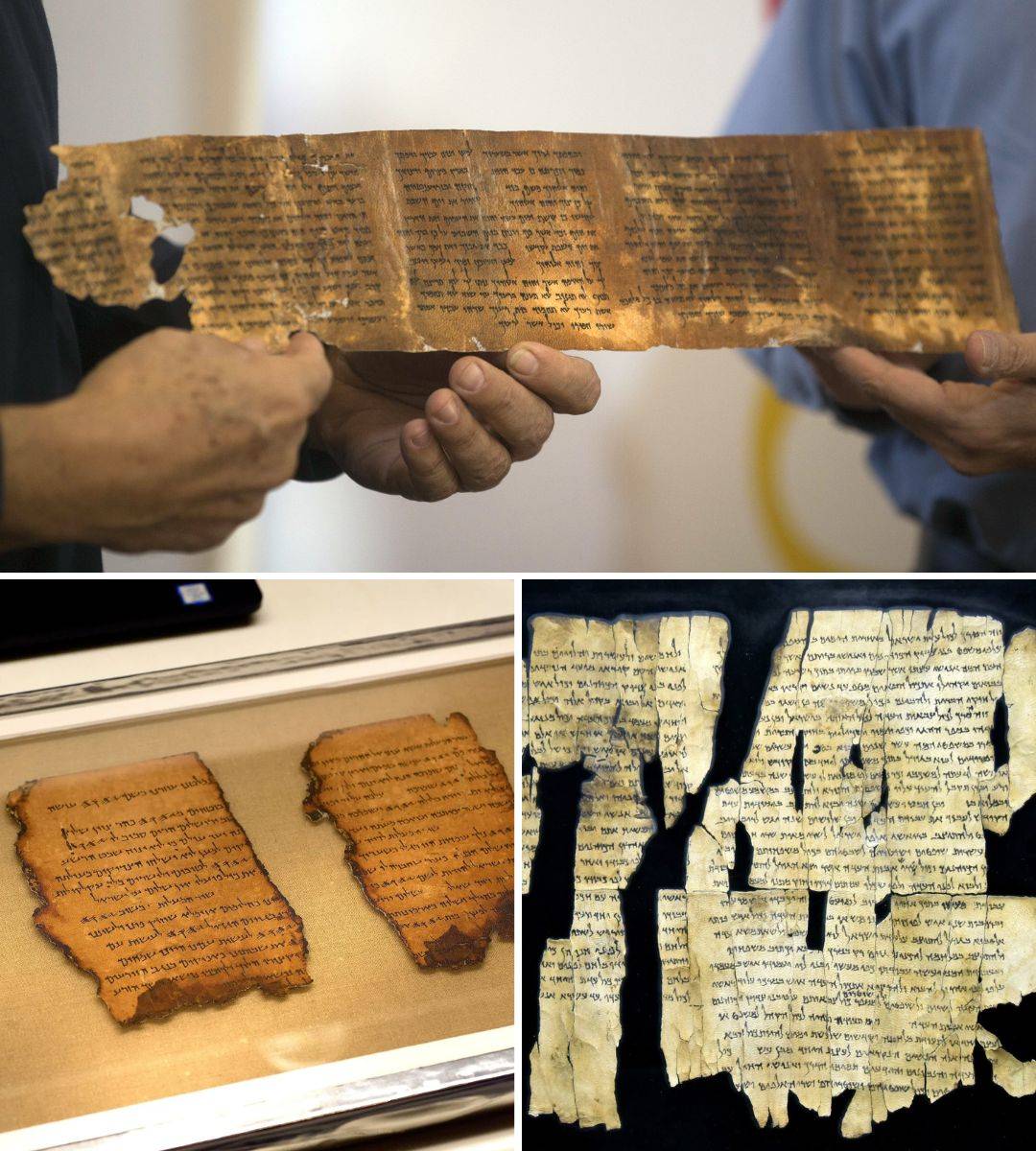
In a groundbreaking collaboration, computer scientists and biblical scholars in Jerusalem have successfully unveiled a previously unreadable section of the ancient Dead Sea Scrolls. This remarkable achievement sheds light on the En-Gedi scroll, a parchment that holds fragments of the Masoretic text of the Hebrew Bible, dating back nearly 2,000 years.

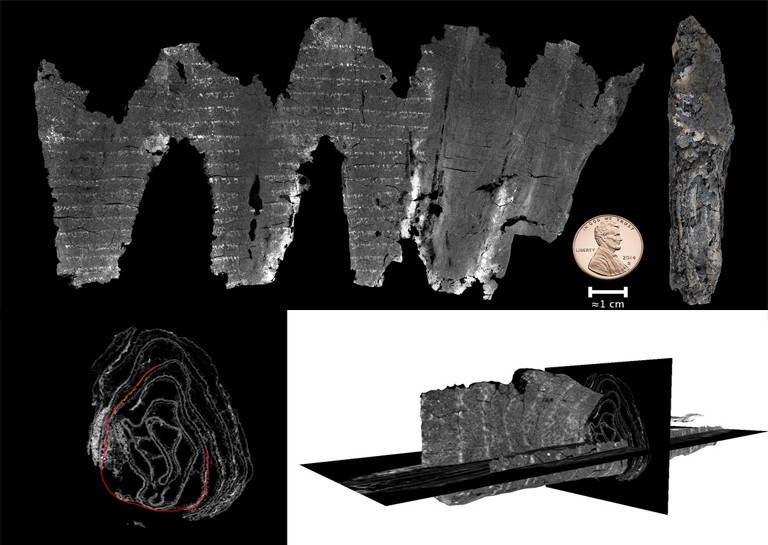
For years, this delicate piece of history remained shrouded in mystery, as attempts to read it risked irreversible damage to the fragile text. However, thanks to innovative virtual unwrapping technology, researchers have finally been able to decipher its contents without harming the scroll. This scroll is now recognized as the earliest known instance of the Pentateuchal book Leviticus.
The pioneering technology was developed by a team at the University of Kentucky, led by Professor Brent Seales. Traditional methods, such as CT scans, often resulted in jumbled text, prompting Seales and his team to devise a more effective approach. Their method involves isolating each page and meticulously reconstructing the text, allowing them to read what was once thought lost forever.

By utilizing a three-dimensional volumetric scan, the researchers obtained multiple cross-sectional views of the scroll. This technique enabled them to identify individual segments and isolate areas with high-density materials, such as lead-based inks. The computer system then combined these ink patterns with the scroll’s shape to create a flattened version of the text, ultimately reconstructing the entire manuscript.
Professor Seales, who has dedicated over 13 years to the study of ancient scrolls, expressed the significance of this discovery. “The En-Gedi manuscript represents the first severely damaged, ink-based scroll to be unrolled and identified noninvasively,” he stated in a recent publication in Science Advances.

This remarkable find not only enriches our understanding of the Dead Sea Scrolls but also offers a rare glimpse into some of the earliest Biblical texts. Radiocarbon dating suggests that the scrolls originated in the third or fourth century CE, adding to their historical importance.
“This work opens a new window through which we can look back through time by reading materials that were thought lost through damage and decay,” Seales noted. He emphasized that there are still many other ancient texts waiting to reveal their secrets, hinting at the potential for further discoveries in the future.
As researchers continue to unlock the mysteries of our past, one can’t help but wonder what other ancient treasures lie hidden, waiting to be discovered.