Before the fame, before the millions, before becoming one of hip-hop’s most feared moguls, 50 Cent was just a kid growing up in the brutal streets of South Jamaica, Queens — surrounded by poverty, pain, and the dangerous legacy left behind by his mother.

In a deeply emotional conversation with Mary J. Blige, 50 Cent opened up about the harsh reality of his childhood and how the streets slowly pulled him into a life that would later shape his entire career.
The rap icon admitted that even as a child, he knew the life he was living inside cramped project apartments “wasn’t it.” While most kids dreamed of escaping poverty someday, 50 said he always felt like he was destined for something bigger — even if he didn’t yet know what that looked like.
But everything changed after the death of his mother.
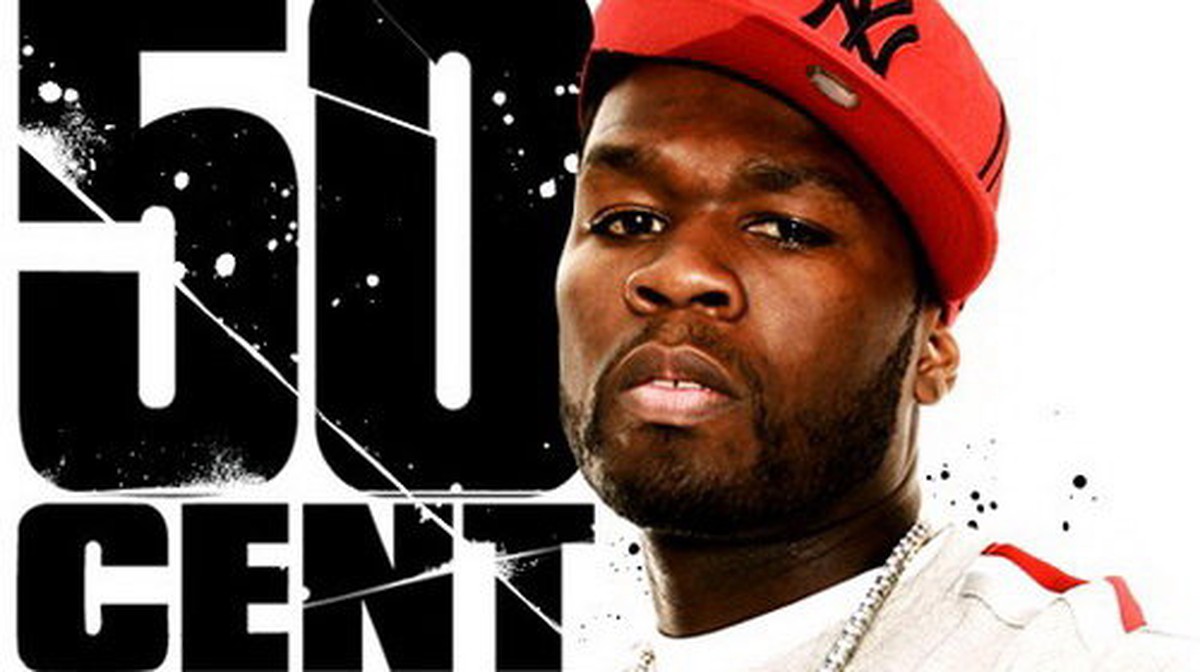
According to 50, while his grandmother stepped in to raise him with love and care, he had already experienced a taste of money, comfort, and street culture from watching his mother hustle before she passed away. That lifestyle left a permanent impression on him.
He remembered seeing flashy cars like Cadillacs, Regals, and Bonnevilles pulling through the neighborhood — symbols of power, respect, and survival in an environment where very few people ever made it out.
And then came the moment that changed everything.

50 revealed that older street figures connected to his mother would quietly look out for him after her death. But their version of “help” wasn’t exactly innocent. Instead of guidance, they handed him packages and street opportunities far beyond what a young boy should ever experience.
According to 50, some of those men were respected enough in the neighborhood that nobody would dare touch him while he was out hustling. The streets essentially adopted him at an early age — and by just 12 years old, he says he was already deep in the game.
The shocking confession gives fans a heartbreaking look into the reality behind 50 Cent’s rise. Long before the chart-topping hits, blockbuster TV deals, and billion-dollar business moves, there was a young kid trying to survive in an environment where danger, hustling, and trauma were part of everyday life.
Many fans online are now revisiting 50 Cent’s music with a completely different perspective. Songs about pain, betrayal, survival, and street ambition suddenly feel less like entertainment — and more like chapters from his real life.
Despite all the success, one thing remains clear: the streets didn’t just influence 50 Cent… they created him.