LL Cool J: From Childhood Trauma to Hip-Hop Legend
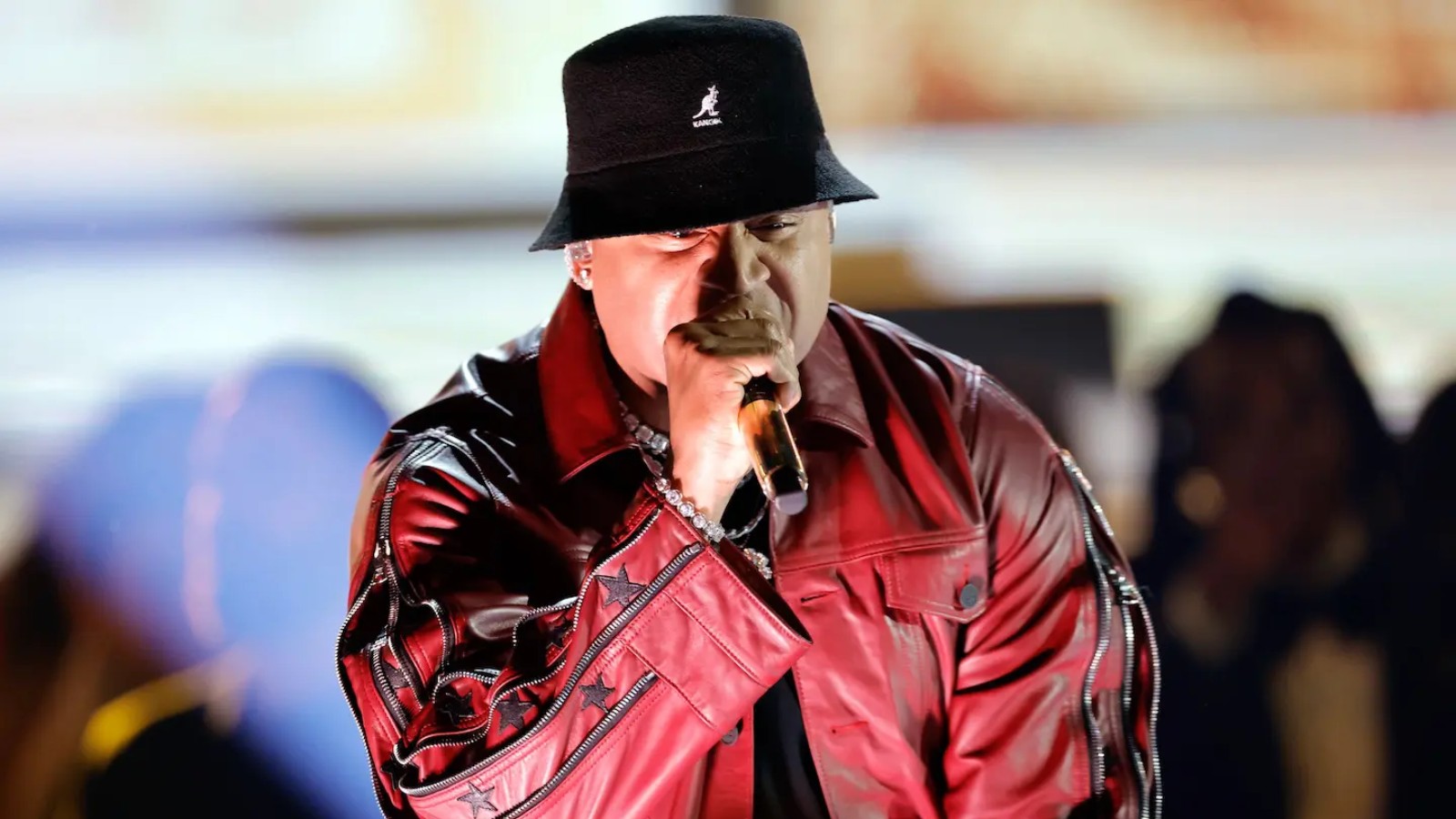
Born James Todd Smith on January 14, 1968, in Bay Shore, Long Island, New York, LL Cool J’s early years were marked by profound trauma that could have derailed any life. At just four years old, he witnessed his father, James Louis Smith Jr., shoot his mother, Ondrea Griffith, in the back and his grandfather, Eugene Griffith, in the stomach during a jealous rage following their separation. The young boy saw the violence unfold in their home—the gunshots, the blood, the bullet holes in the refrigerator. Miraculously, both his mother and grandfather survived.
After the shooting, LL and his mother moved in with his grandparents in St. Albans, Queens. But safety remained elusive. His mother’s boyfriend, Roscoe, subjected him to years of severe physical and emotional abuse. LL was beaten with vacuum cleaner pipes and extension cords, locked out in the snow without clothes, and tormented with words designed to break his spirit. He later described the experience as “torture,” which fueled deep-seated anger and led him into fights as a child seeking control amid helplessness.
Music as Salvation
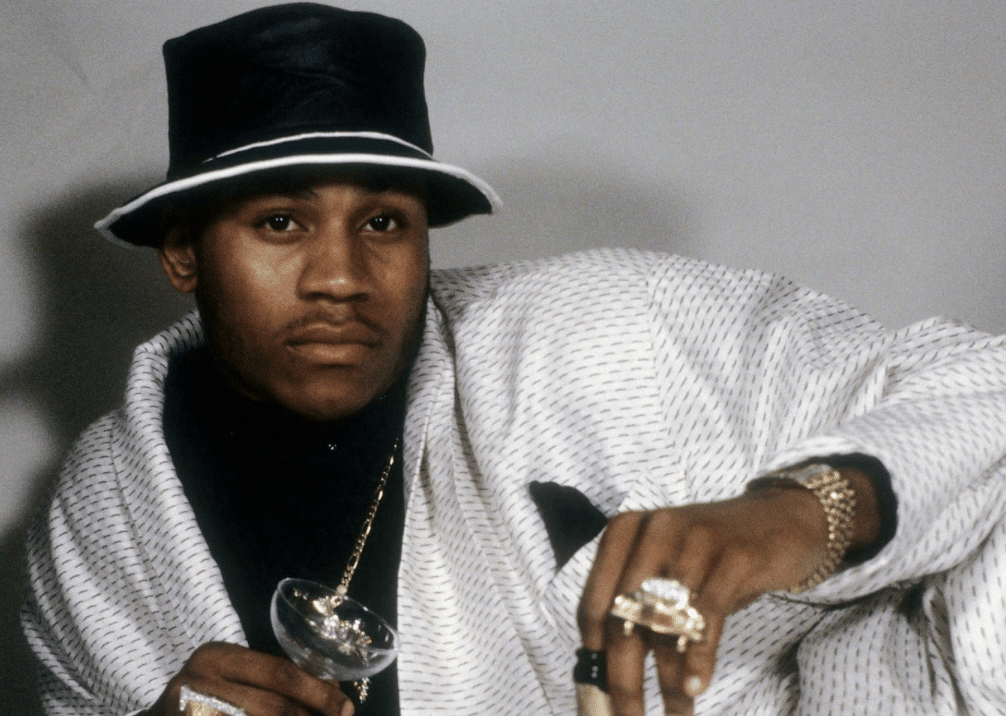
In the midst of this hardship, hip-hop became LL Cool J’s outlet and lifeline. He began writing rhymes around age nine, drawing inspiration from the emerging hip-hop scene. By 16, while still enduring abuse at home, he was recording demo tapes in his grandparents’ basement with two turntables and a microphone. He sent them out relentlessly.
One demo reached Rick Rubin and Russell Simmons, who were launching Def Jam Recordings. In 1984, LL Cool J became the first artist signed to the label. His debut single, “I Need a Beat,” quickly sold over 100,000 copies. His 1985 album Radio proved pivotal, helping establish Def Jam as a major force and ushering in the “new school” era of hip-hop.
A Enduring Career
LL Cool J’s career has spanned more than four decades, showcasing remarkable versatility and longevity:
- “I Need Love” (1987): The first mainstream romantic rap ballad, which crossed over to pop charts.
- “I’m Bad” and “Going Back to Cali”: Tracks that highlighted his swagger and range.
- “Mama Said Knock You Out” (1990): A Grammy-winning comeback anthem that silenced doubters.
- Later successes like “Hey Lover,” “Phenomenon,” and “Control Myself.”
He has sold over 30 million records worldwide, earned multiple Grammy Awards, and was inducted into the Rock & Roll Hall of Fame. Beyond music, LL built a successful acting career with roles in Krush Groove, Any Given Sunday, and a long run on NCIS: Los Angeles. He has also thrived as an entrepreneur, author, philanthropist, and fitness advocate.

Forgiveness, Healing, and Purpose
LL Cool J eventually chose the path of forgiveness. He reconciled with his father and candidly detailed his experiences in his 1997 memoir I Make My Own Rules. He has credited music, faith, discipline, his mother’s love, and his grandparents’ support for his survival and growth. Through his platform, he has advocated for mental health awareness and turning pain into purpose.
A Story of Resilience
LL Cool J’s journey stands as one of hip-hop’s most compelling tales of redemption. From witnessing gun violence at age four and suffering years of brutal abuse to becoming a pioneering artist who helped shape the genre globally, he refused to be defined by his past.
He has said variations of turning pain into fuel and embracing the underdog mindset—messages that resonate far beyond his music. From blood-stained floors in Queens to sold-out stages and Hollywood sets, LL Cool J embodies the idea that trauma does not have the final word. Survivors can rise, and pain, when channeled, can become extraordinary drive.
His life remains a powerful reminder: No matter how heavy the beginning, purpose and perseverance can rewrite the ending.