I still remember the silence that followed after the plate fell onto my mother’s dress. The room was filled with laughter, but all I could hear was my own heartbeat. My mother stood there holding the handmade gift she had spent weeks preparing, trying to smile as if nothing had happened. She was the kind of person who would rather suffer quietly than make someone else uncomfortable, but I saw the pain in her eyes.
My father noticed it too. He clenched his fists for a moment, but then he looked at my mother and stayed calm. He had always taught me that dignity was more valuable than winning an argument. But watching the two people who had sacrificed everything for our family being treated like they were nothing was something I could not simply ignore.
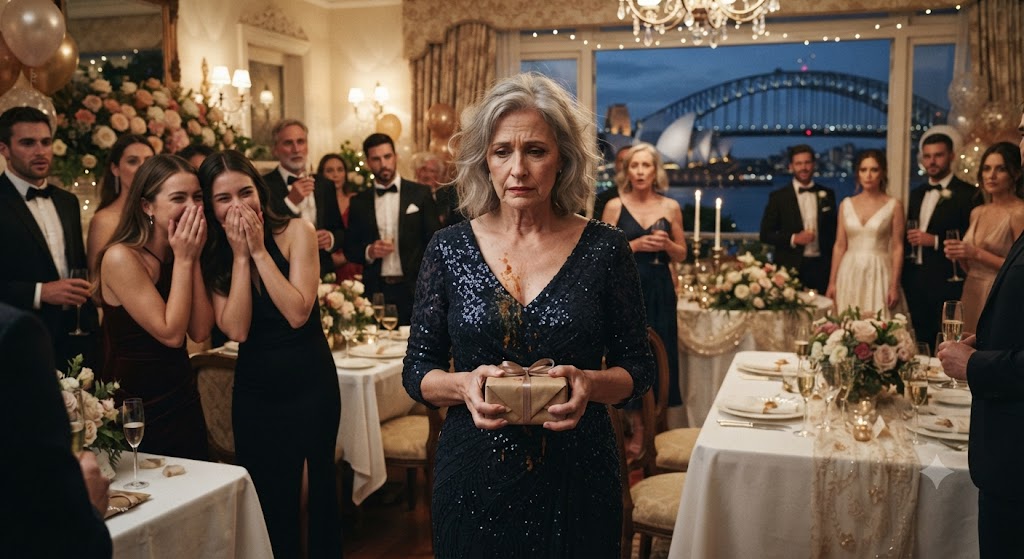
I walked toward my mother and gently took the gift from her hands. I looked around the room and saw people who were supposed to become our extended family. Instead of kindness, I saw arrogance. Instead of welcoming smiles, I saw people judging my parents because they did not have expensive clothes or a wealthy background.
I turned to the woman who had spilled the food and calmly asked, “Was that really an accident?” The room suddenly became quiet. She looked surprised that someone had finally questioned her. She laughed nervously and said, “Of course it was. Don’t be so sensitive.”
But I knew the difference between an accident and humiliation.
I didn’t raise my voice. I didn’t create a scene. I simply helped my mother clean her dress and told my parents, “We’re leaving.” My mother looked at me and whispered, “Please don’t ruin your sister’s night.” Even after everything that happened, she was still thinking about her daughter’s happiness before her own pain.
That was my mother.
As we walked toward the door, my sister finally came after us. She had been standing across the room the entire time, watching everything happen. I could see guilt on her face, but what hurt me the most was that she had waited until we were leaving to say something.
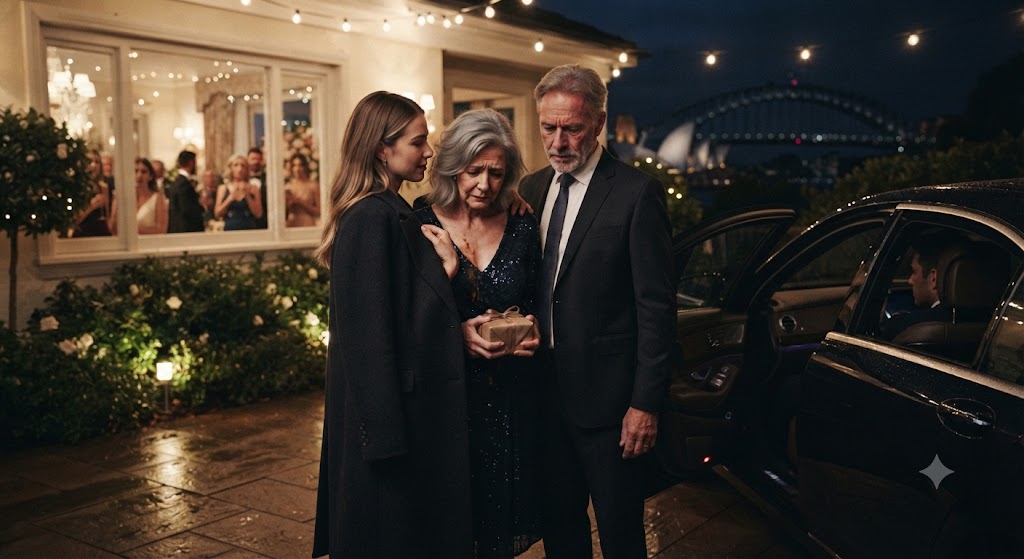
“Wait… please,” she said.
My father stopped but didn’t turn around.
My sister looked at our mother and began crying. “Mum, I’m sorry. I should have said something.” My mother looked at her quietly and replied, “The worst part wasn’t what they did. The worst part was feeling like my own daughter was afraid to stand beside me.”
Those words stayed in the room long after we left.
On the drive home through the quiet Sydney streets, nobody spoke much. My mother looked out the window, pretending she was fine, but I knew her heart was broken. My parents had never asked my sister’s future family for anything. They only wanted to be respected because they were the people who raised her.
The next morning, something unexpected happened.
My sister came to our house alone. She didn’t bring her fiancé. She didn’t bring excuses. She came with tears in her eyes and sat at the kitchen table where we had shared thousands of family meals.
She admitted that she had noticed the way his family treated us for months. She said they often made comments about our lifestyle and told her that she needed to “move up” and leave behind the simple life she came from.
She confessed that she stayed silent because she was afraid of losing the future she imagined. She was afraid of disappointing them. But after seeing our mother walk away hurt, she realised she had been protecting the wrong people.
A few days later, my sister made a difficult decision. She ended the engagement. It wasn’t because of money or pride. It was because she understood that a person’s character is revealed by how they treat those who cannot give them anything in return.
Months passed, and our family slowly healed. My mother never became bitter. She still believed kindness mattered, but she learned that kindness did not mean allowing people to disrespect you.
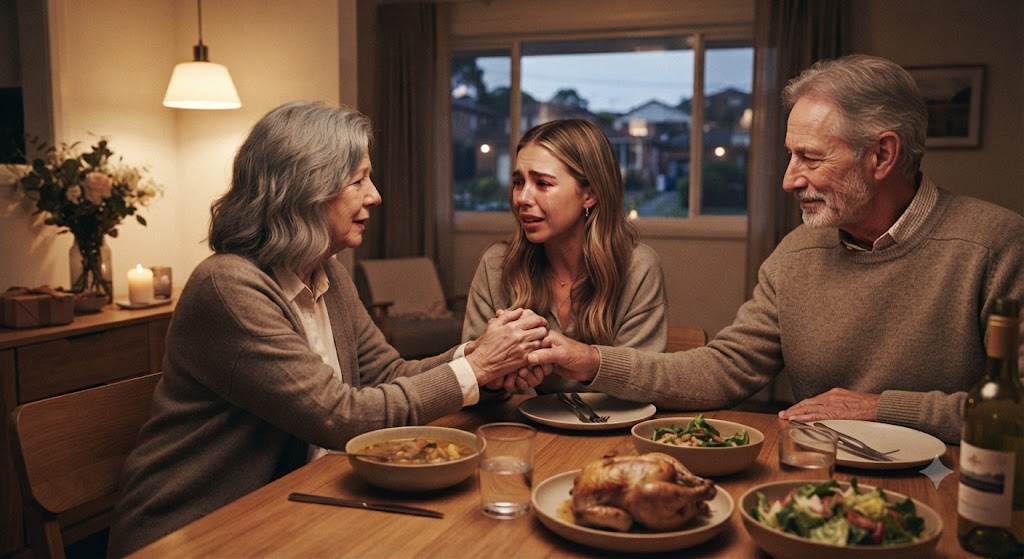
My father also changed. He was still the same gentle man, but he no longer apologised for who he was. He realised that wearing simple clothes and living a modest life were not weaknesses. They were reminders of the hard work and values he had built his family on.
One year later, my sister hosted a small family dinner at our home. There were no expensive decorations, no wealthy guests trying to impress anyone, and no pretending. Just the people who truly cared about each other sitting around one table.
My sister looked at our parents and said, “I spent so much time worrying about being accepted by people who looked down on us that I forgot I already had a family who loved me unconditionally.”
My mother smiled and held her hand.
Today, when I think about that engagement dinner in Sydney, I no longer remember the embarrassment. I remember the lesson. Some people believe their wealth, status, or appearance makes them better than others. But kindness, respect, and humility are things money can never buy.
That night, my parents were treated like they didn’t belong.
But in the end, it was the people who judged them who lost something valuable.
Because they lost the chance to know two of the kindest people I have ever met.