
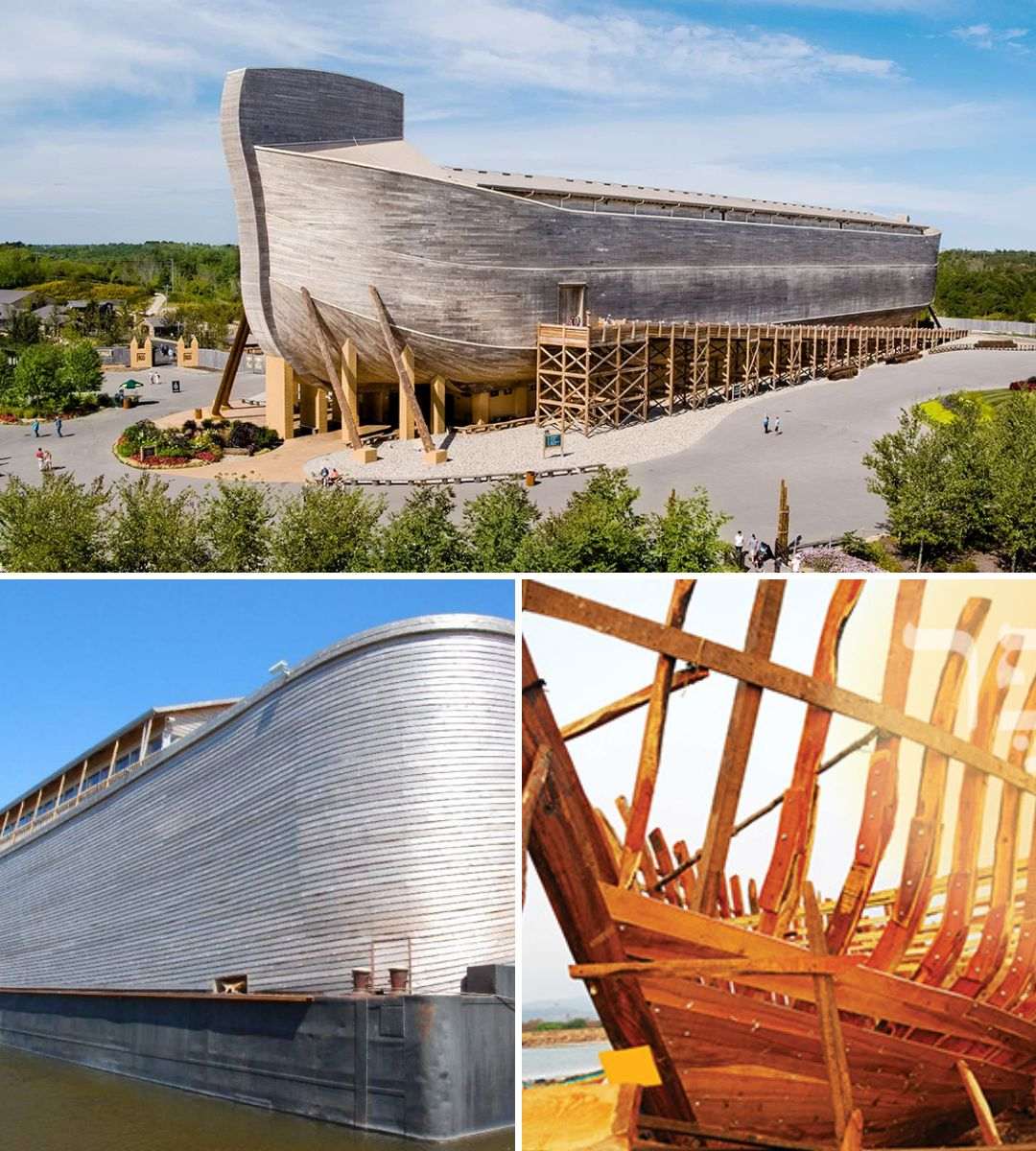
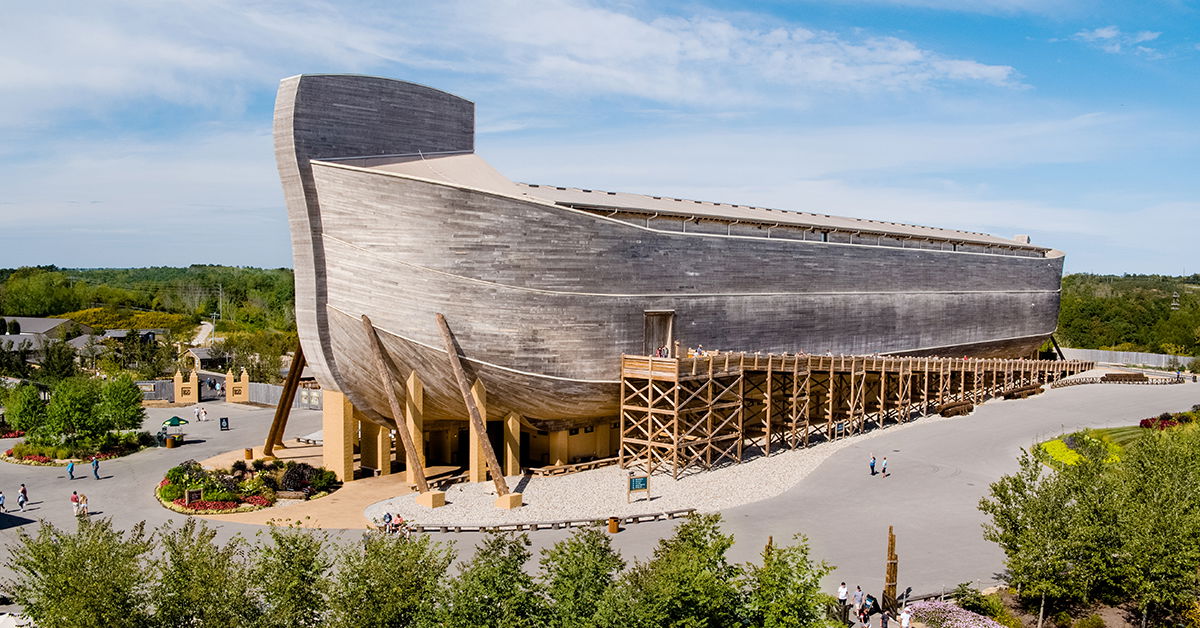
The mystery of gopher wood has captivated many since the construction of the Ark Encounter began. Visitors often pose the intriguing question: “Are you using the same wood Noah did?” The answer, while straightforward—“Yes, wood”—leads to a deeper and more complex inquiry about the elusive gopher wood itself.
The term “gopher wood” is a unique enigma, appearing only once in the Bible, specifically in Genesis 6:14. This single mention leaves scholars and enthusiasts alike in a quandary, as the word is a transcription of the Hebrew term גֹּפֶר. Interestingly, it has no connection to the small burrowing animal we know as a gopher.

Identifying gopher wood has proven to be a daunting task. Leading lexicons and commentaries provide little clarity. The Hebrew-Aramaic Lexicon of the Old Testament simply notes it as an “unknown species of tree used for building the ark.” Meanwhile, Cline’s Dictionary of Classical Hebrew suggests it might be cypress, but offers no substantial evidence for this claim. The New International Dictionary of Old Testament Theology and Exegesis goes even further, labeling it as simply an “unknown wood.”
Renowned biblical scholars have weighed in, but their insights often echo the same uncertainty. For instance, Derek Kidner remarks that nothing definitive is known about gopher wood, and Andrew Steinmann speculates it could be a type of cedar or pine. However, these are merely educated guesses, as the original context of gopher wood remains shrouded in mystery.

One intriguing possibility arises from the Septuagint, a Greek translation of the Old Testament. It translates gopher wood as “squared timbers,” suggesting that the wood was already processed for construction. This raises questions about whether the ancient translators had access to knowledge that has since been lost.
Another theory links gopher wood to brimstone, based on the similarity of the Hebrew words. Some have suggested that gopher could relate to sulfur, given its resemblance to the word for brimstone. However, experts caution against this connection, noting that such linguistic links are often tenuous at best.
As the debate continues, the consensus remains that we may never definitively identify gopher wood. It’s possible that the tree referred to has long since vanished from existence. While many types of wood could serve for shipbuilding, the true nature of gopher wood remains elusive.
So, did the Ark Encounter use gopher wood in its construction? If Engelmann spruce or Douglas fir are descendants of that ancient timber, then perhaps the answer is yes. The quest for gopher wood is not just a search for a type of tree; it’s a journey into the very heart of biblical history and mystery. What other secrets might lie hidden in the past, waiting to be uncovered?


