In 2014, Bobby Shmurda became one of the hottest new names in hip-hop after his breakout hit Hot Nigga exploded online. The song’s viral success, combined with the famous “Shmoney Dance,” turned the young Brooklyn rapper into a national celebrity almost overnight. Music executives rushed to sign him, fans flooded social media with dance videos, and many believed Shmurda was about to become the next major rap superstar.
But behind the sudden fame, authorities were already investigating what they described as gang-related criminal activity connected to Shmurda and members of his crew, known as GS9. Prosecutors alleged that the group operated as a violent street gang involved in drug trafficking, shootings, and illegal weapons possession throughout parts of New York City.


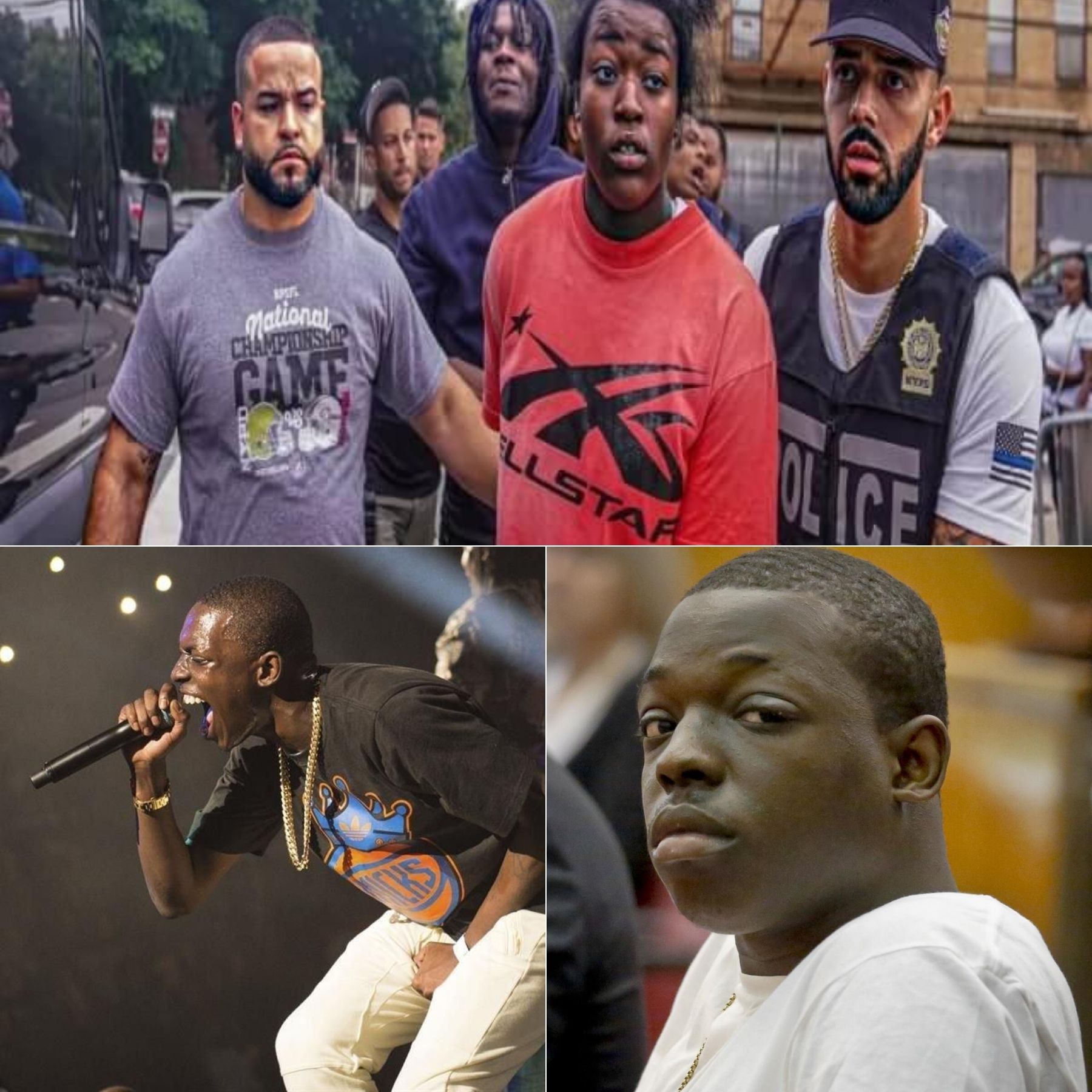
In December 2014, Bobby Shmurda and several associates were arrested following a lengthy police investigation. Authorities accused the group of conspiracy, reckless endangerment, drug offenses, and weapons crimes. Investigators claimed that some of Shmurda’s lyrics and music videos reflected real criminal activity rather than fictional storytelling.
The case immediately sparked debate within the hip-hop community. Supporters argued that rap lyrics were being unfairly used against artists and accused law enforcement of targeting young Black rappers. Others pointed to the seriousness of the allegations and the violence connected to the investigation.
As the legal battle continued, prosecutors reportedly offered Shmurda plea deals while threatening severe prison sentences if the case went to trial. In 2016, the rapper accepted a plea agreement connected to conspiracy and weapons charges. Reports later suggested that Shmurda accepted additional prison time partly to help reduce the sentence faced by fellow GS9 rapper Rowdy Rebel, a move that earned him respect from many fans and artists.


Bobby Shmurda spent years in prison before being released in 2021. His release became a viral moment across social media, with numerous rappers welcoming him back to the music industry. Despite the excitement surrounding his return, the case remains one of the most famous examples of a promising rap career collapsing because of criminal allegations tied to street life and gang violence.
Today, Bobby Shmurda’s story is often viewed as both a cautionary tale and a symbol of how quickly fame, music, and criminal investigations can collide in modern hip-hop culture.