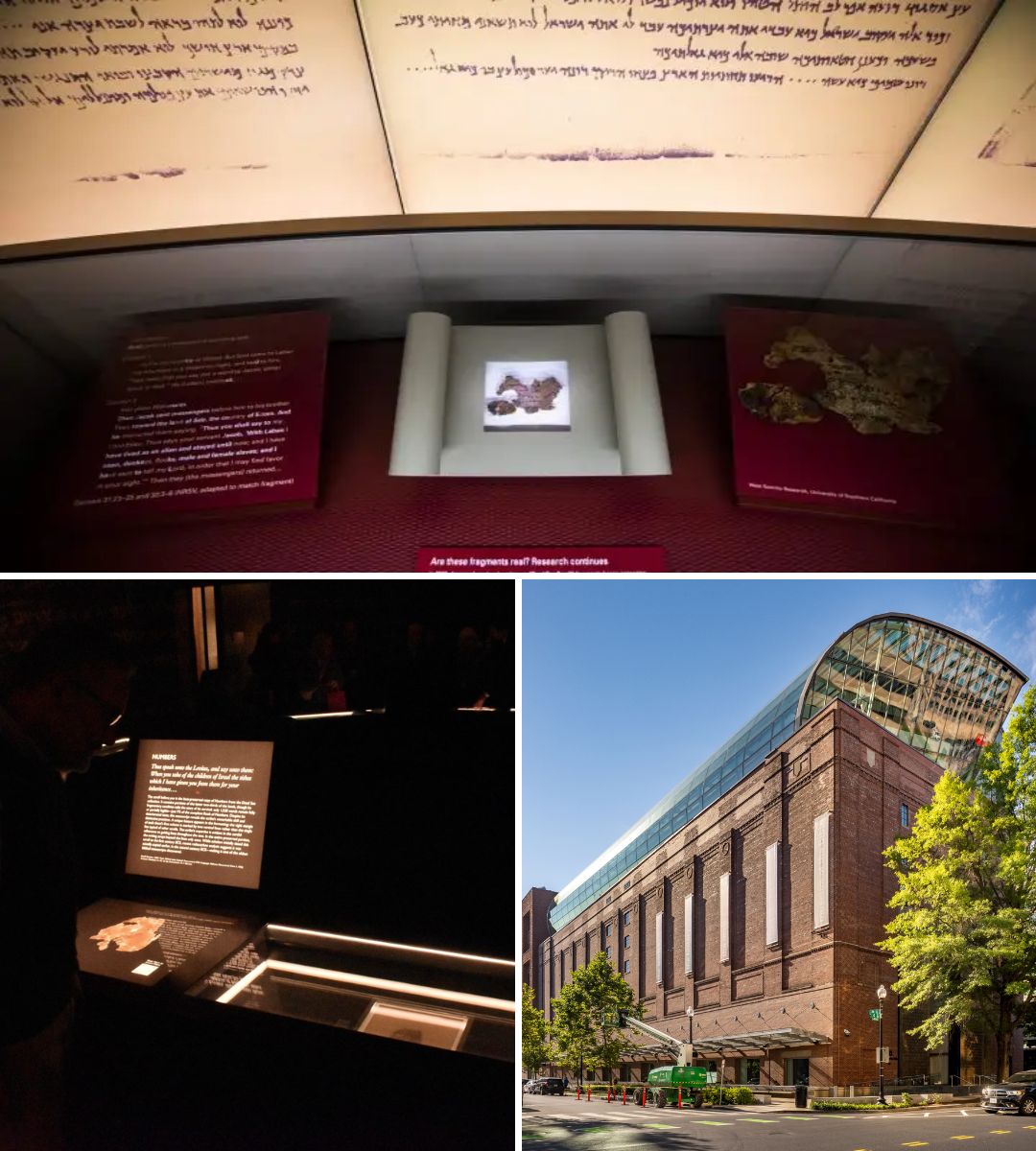
An ancient fragment of the book of Isaiah will go on display at the Museum of the Bible from May through September before returning to Israel to spend five years in a vault. The leather fragment is part of the Dead Sea Scrolls, discovered in the 1940s and 50s in the caves of Qumran in the West Bank, or what the Israeli government refers to as Judea. It contains portions of several chapters of Isaiah and dates back to sometime around the first century A.D. The Isaiah fragment is part of the final stage of a Dead Sea Scrolls exhibit at the museum, according to Bobby Duke, the museum’s chief curatorial officer.
Duke described the scrolls as the greatest archaeological discovery of all time. “Before the Dead Sea Scrolls were discovered, our best Hebrew manuscripts were from about 1000 A.D.,” Duke told WORLD. “These all date back [from the] second century B.C. to the first century A.D. So it shaves off…1,000 years of manuscript transmission.” The find also showed remarkable fidelity in the transmission of Scripture, with few major differences between the text of the scrolls and later versions of the books, he said.
Duke called the exhibit a “wonderful reset” in the wake of the Museum of the Bible’s 2020 conclusion that all 16 fragments in its personal Dead Sea Scrolls collection were fakes. A team of scholars found the pieces were modern forgeries, according to the museum’s report. The museum finalized its contract with the Israeli Antiquities Authority to display authentic Dead Sea Scrolls sometime between 2020 and 2024, Duke said.
Will additional fragments be on display? The new display will also include other Dead Sea Scrolls fragments, including an apocryphal account of the birth of Noah, part of the ancient Jewish book of Tobit, and Duke’s favorite item: pieces of phylactery scrolls. Phylacteries are small boxes containing tiny scrolls inscribed with Scripture or prayers. Some observant Jews wore them tied to their foreheads or arms when praying, a practice that is mentioned in the Bible and continues today. One of the fragments is a roughly two-inch square with a full chapter of Scripture inscribed on it, Duke said.
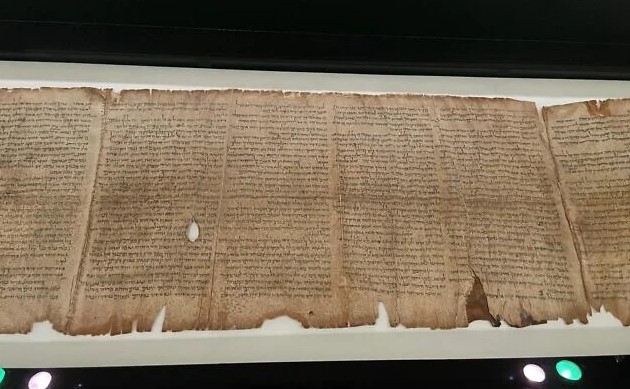
The scrolls will replace several others currently at the museum, which need to return to the vault for their preservation after just a few months of display in low light. The museum’s contract with the Israel Antiquities Authority, which owns the Dead Sea Scrolls, only allows the scrolls to leave Israel for three months at a time, Duke said. Curators from the Israeli government group will fly to the United States to make the switch, carrying the previous set of scrolls back to Israel in climate-controlled cases, Duke said. The shaky ceasefires between Israel and Lebanon, as well as the United States and Iran, could affect the transfer, he said. The conflicts previously caused the curators to reschedule their flights multiple times amid airport shutdowns, he said.


