
The Mackenzie Shirilla case has captivated and divided audiences, especially after the recent Netflix documentary, "The Crash." While the film highlights the emotional turmoil surrounding the tragic accident, it glosses over some disturbing claims made by prosecutors that could change the narrative entirely.
 Just three days before the fatal crash, prosecutors allege that Mackenzie was in the vicinity of the accident site, supported by cell phone data. They argue this indicates she was familiar with the area prior to that fateful morning. However, the defense vehemently disputes this assertion, suggesting that the evidence is inconclusive.
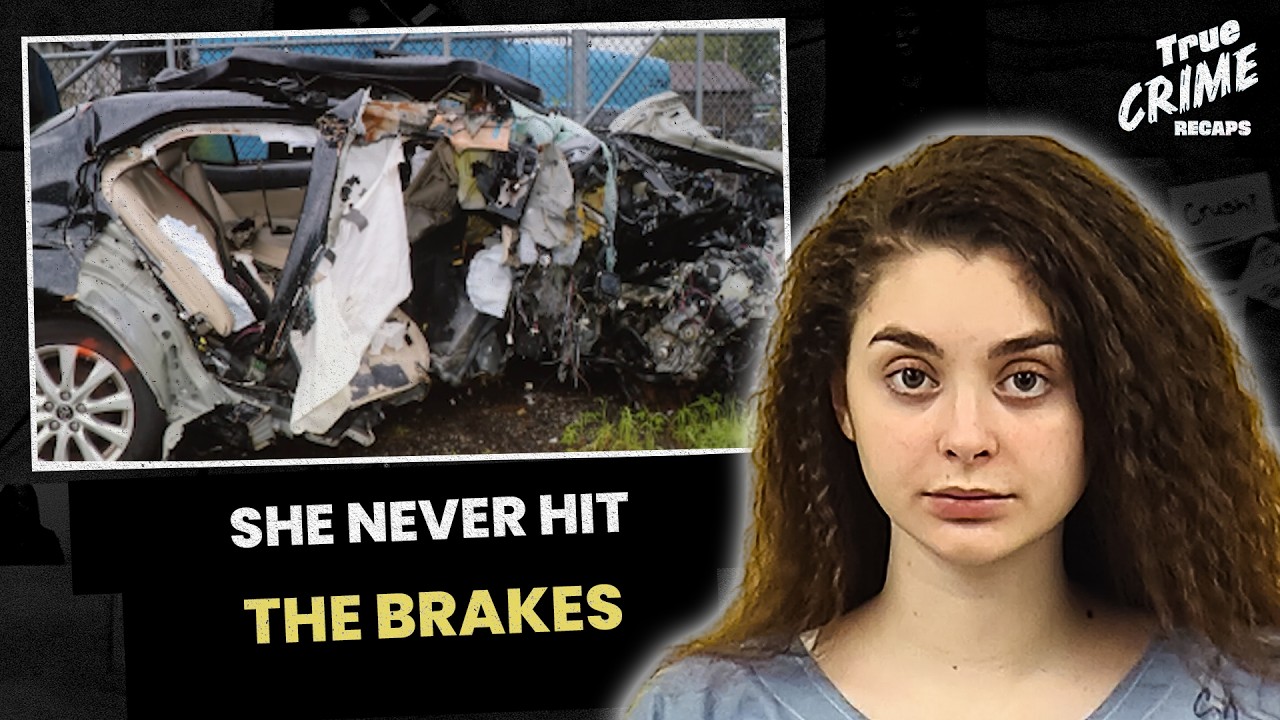
On July 31, 2022, a devastating crash occurred involving 17-year-old Mackenzie Shirilla, her boyfriend 20-year-old Dominic Russo, and his friend 19-year-old DaVon Flanigan. The scene was described by the first officer on the scene as so catastrophic that it appeared the car had been severed in two. Mackenzie was found alive but severely injured, while both Dominic and DaVon tragically succumbed to their injuries.
The crash took place in an isolated industrial area in Strongsville, Ohio, where the layout of Progress Drive became a focal point for the prosecution. They argued that Mackenzie’s decision to drive into this dead-end road was intentional, as it was not a route typically taken home. Surveillance footage captured her driving normally before she abruptly accelerated, allegedly reaching speeds close to 100 mph without ever applying the brakes.

The evidence against Mackenzie includes data from the car's event data recorder, which reportedly showed her foot was fully pressed on the gas pedal while the brakes were never engaged. This crucial detail, along with erratic steering movements just before impact, led prosecutors to suggest that there was an awareness of the impending crash among the passengers, raising the chilling possibility that they may have tried to intervene.
While Mackenzie did not test positive for alcohol, she reportedly had THC in her system, and investigators found 𝒹𝓇𝓊𝑔 paraphernalia in the vehicle. The defense argued that she may have suffered a medical episode, citing her diagnosis of POTS, a condition that can cause fainting and dizziness. Yet, prosecutors contended that her driving behavior and the crash dynamics indicated a lack of impairment.

The prosecution's narrative also pointed to a troubled relationship between Mackenzie and Dominic, suggesting that emotional instability could have been a motive for the crash. Friends and family described a relationship fraught with arguments and emotional turmoil, although others insisted they appeared happy together just before the incident.
Ultimately, Mackenzie was tried as an adult and chose a bench trial, where a judge would determine her fate. The judge concluded that Mackenzie intentionally chose the route and timing of the crash, resulting in her conviction on multiple felony counts, including murder. She was sentenced to life in prison, with the possibility of parole after 15 years, although she maintains her innocence.

As the case continues to evoke strong opinions, public interest remains high, especially following the documentary's release. Mackenzie’s family has faced scrutiny, and her parents continue to advocate for her, claiming new evidence may support her innocence. Meanwhile, the families of the victims have expressed their grief and frustration, seeking to keep their loved ones' memories alive.
Now serving her sentence in Ohio, Mackenzie reportedly spends her time painting and journaling, holding onto the belief that “the truth will set me free.” As the story unfolds, many are left wondering: what really happened in those final moments before the crash, and will the truth ever come to light?
https://www.youtube.com/embed/AlTNTXSrU6g


