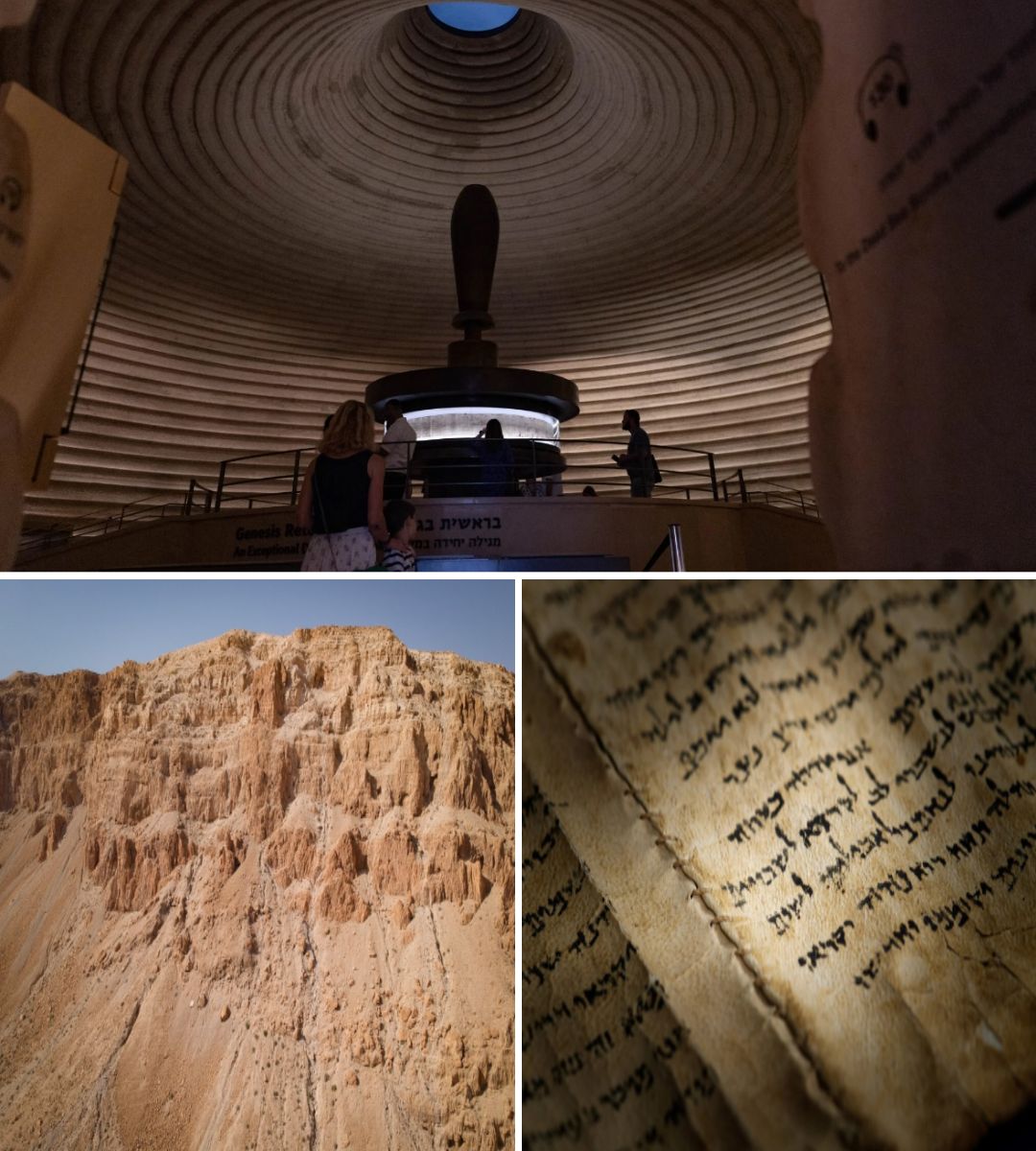
The Great Isaiah Scroll, the oldest nearly complete book from the Hebrew Bible, dating back to the second century BCE, was originally created as two separate scrolls, according to new research analyzing the differences between the first eight sheets and the second nine sheets of parchment has shown.
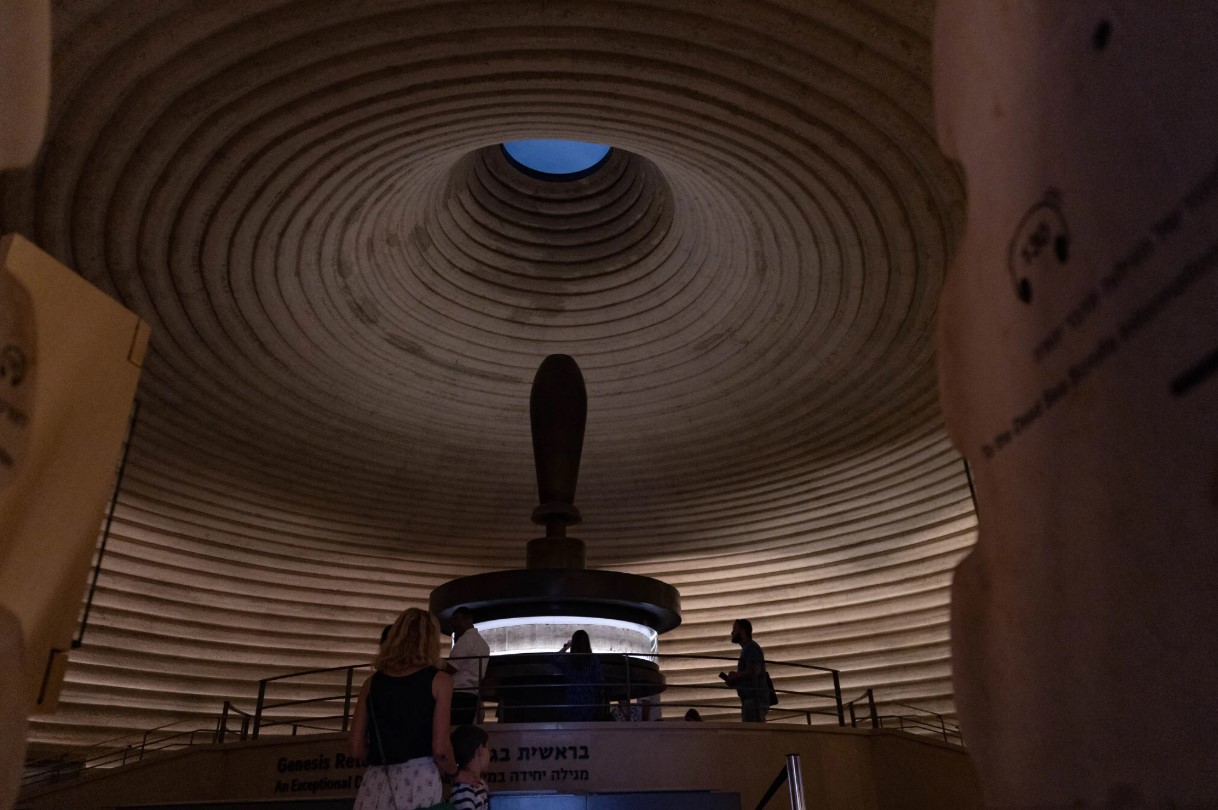
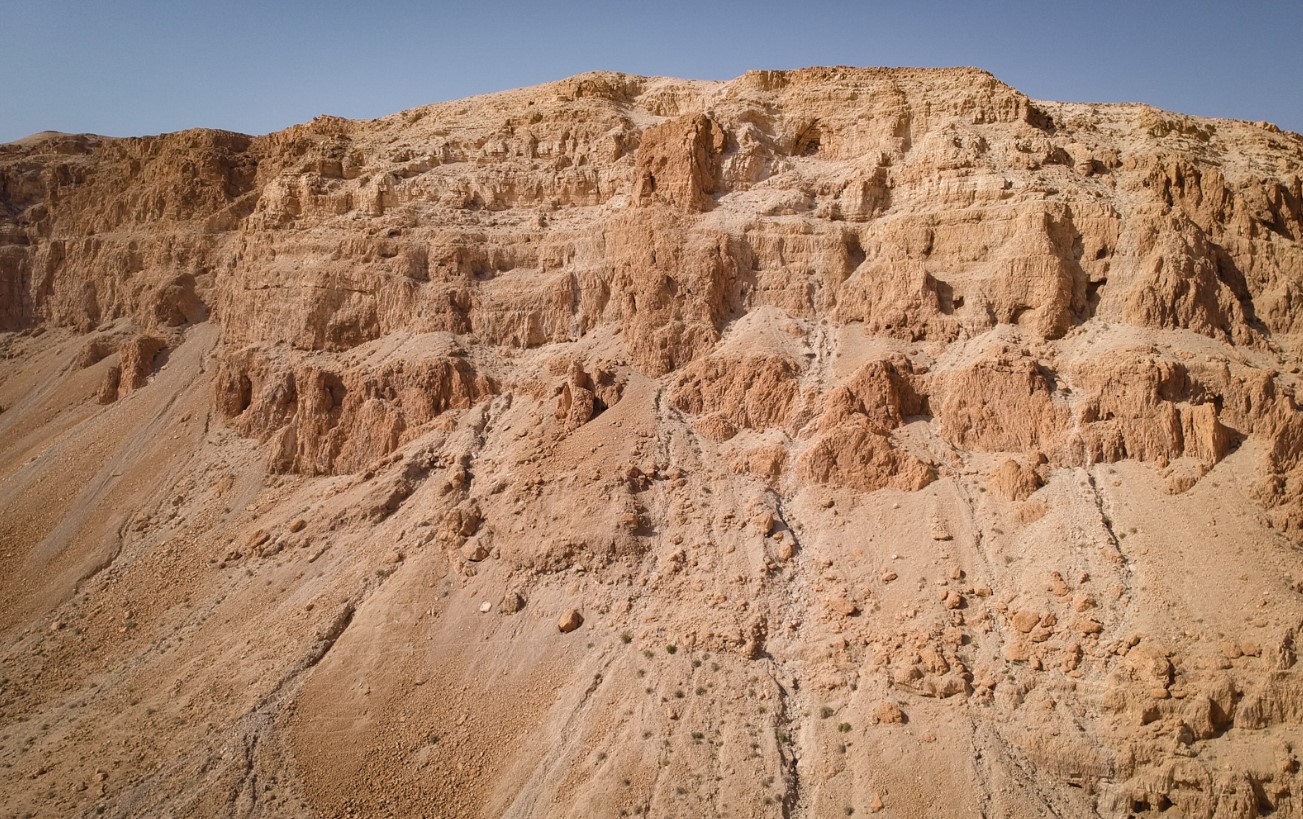
For decades, Dead Sea Scrolls scholars have sought to uncover the secrets of the 7.34-meter-long (24-foot) artifact, one of the original seven scrolls discovered in Qumran in 1947.
In the past, some suggested that the discrepancies between the two parts apparent to the naked eye might have resulted from the scribe transcribing the scroll by copying from different manuscripts. A groundbreaking 2021 study employing artificial intelligence to examine minute differences in the way letters were written suggested that the scrolls were compiled by two scribes who sought to match their styles to each other.
Taking the scholarship a step further, Dead Sea Scrolls expert Prof. Marcello Fidanzio of the Università della Svizzera Italiana says his research shows that the incongruities between the two sections stem from the fact that they were created as two separate scrolls and became one at a later point in time.
“I can now show that the two parts of the scrolls present a different manufacture,” Fidanzio told The Times of Israel in a phone interview ahead of the publication of “The Great Isaiah Scroll: A Voice From the Desert,” which he edited.
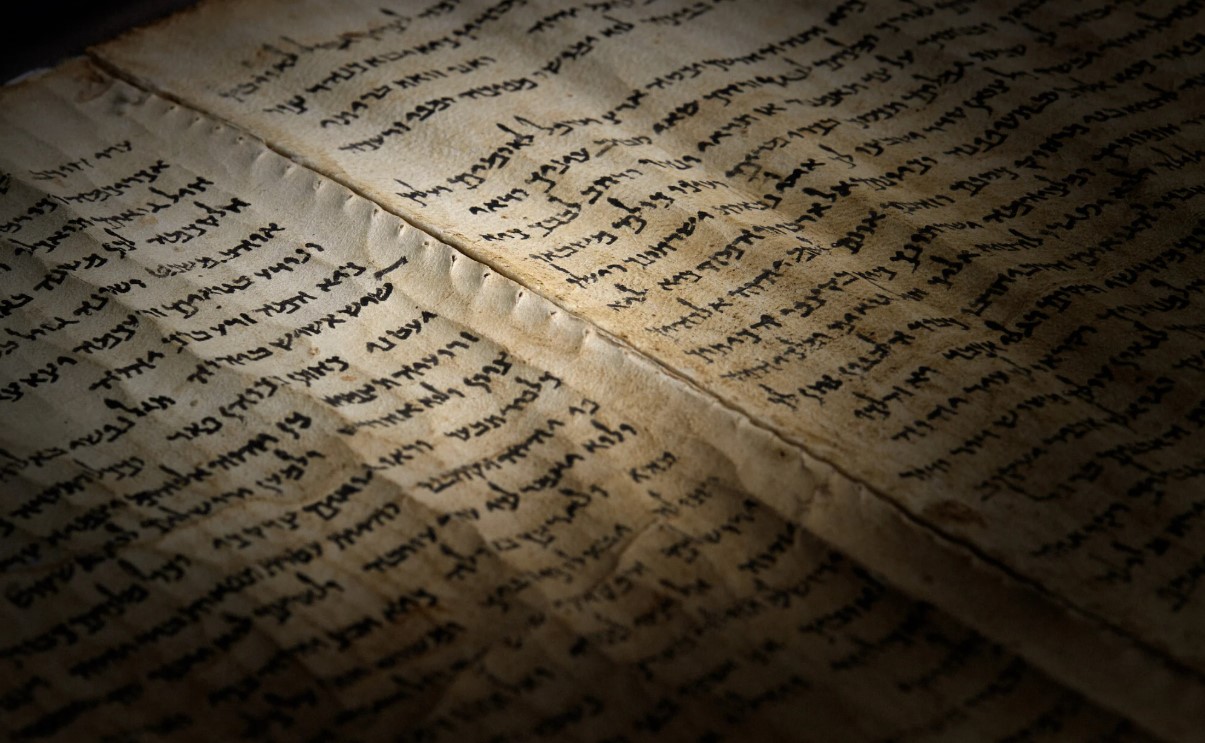
The book, which includes articles by leading Dead Sea Scrolls scholars from around the world, accompanies a new exhibition at the Israel Museum that will display the scroll in its entirety for the first time since 1968 in early 2026 (the exact date has yet to be announced).
Since the very beginning, researchers studying the scroll registered some discrepancies between the first section, including chapters 1-33 of Isaiah, and the second, featuring chapters 34-66 (according to the medieval chapter division of the Bible). These differences included text morphology and orthography, and a significantly higher number of parchment repairs in the first part than in the second. In addition, three lines were left blank at the end of the first section.
For his research, Fidanzio paid close attention to the artifact’s material characteristics. His study does not address how many scribes may have taken part in the writing process.
“The scroll itself tells us about its pre-existing bisection and subsequent unification process,” Fidanzio said.
“There are many possible scenarios, and we do not know whether the two parts were created separately at the same time, or if the second one was produced at a later point to complete the first,” he added.
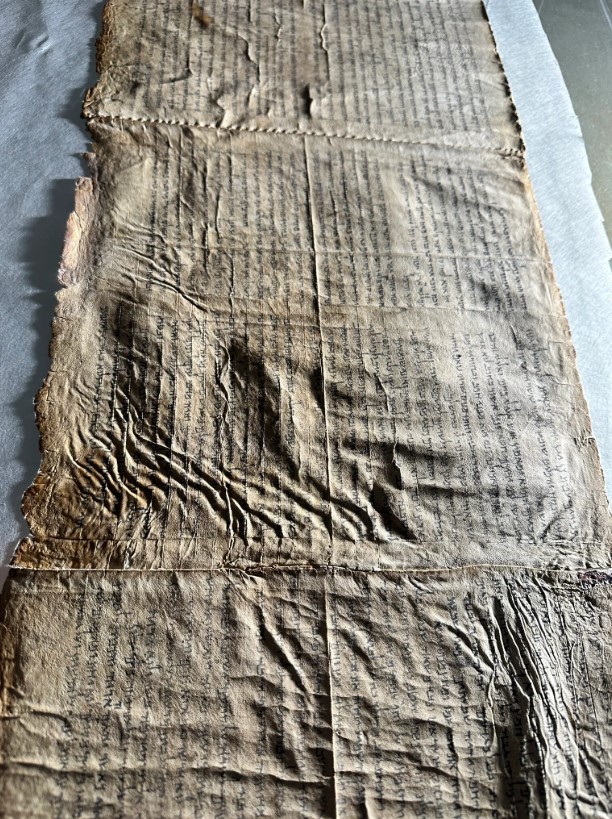
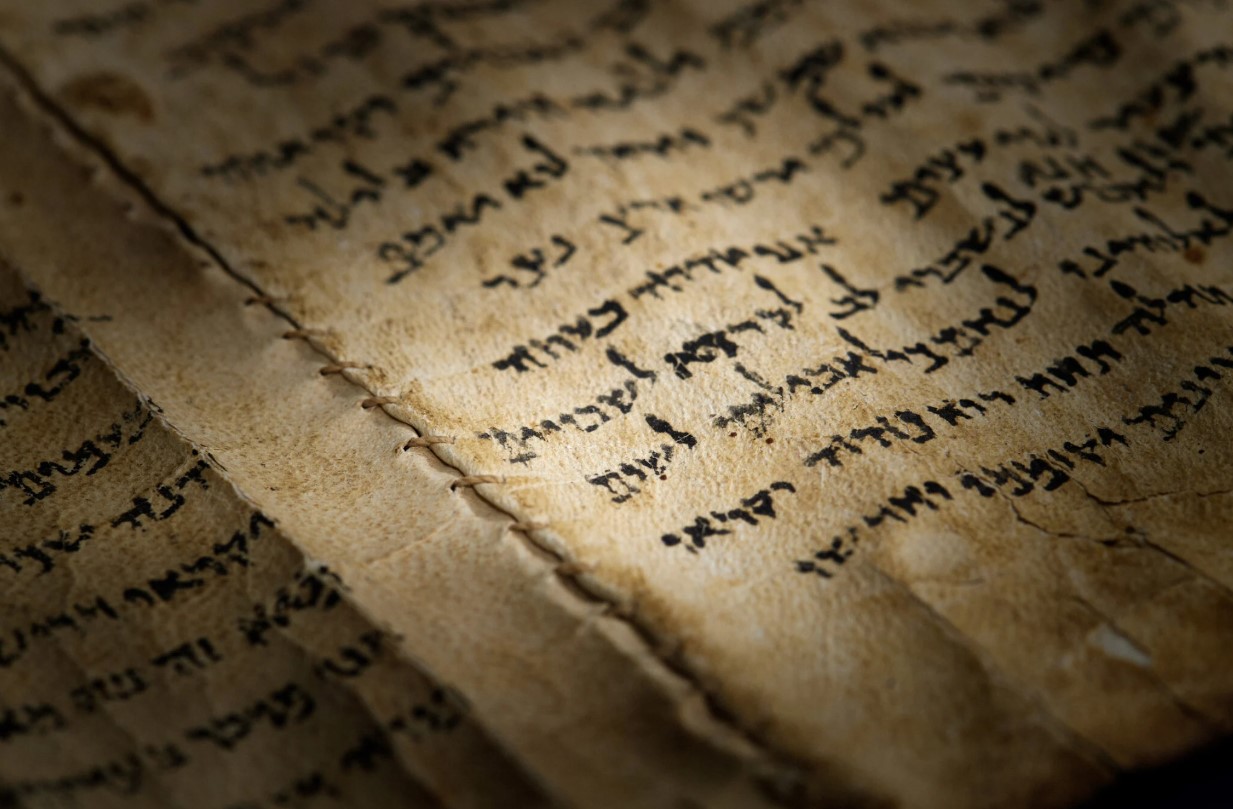
As proof, the scholar pointed to the differences between the sheets themselves. The first eight feature both vertical and horizontal folds, whereas the last nine present only vertical ones. Sheet 8 contains only two columns of text, as it was cut after the second column, compared with the three or four columns in all the other sheets except for sheet 17, the last in the scroll.
The way the text was copied down also suggests the two parts underwent distinct processes.
In addition to the slight discrepancy in handwriting identified by AI, the second part encompasses several instances in which the scribe left a blank space that was later filled in by the same or a different scribe (possibly because the original scribe was copying from a damaged scroll). Some scribal signs that appear in the second part did not appear in the first.
The state of preservation of the two sections is also very different.
“The hide of the first part is a hide that has lived and experienced,” Fidanzio said. “It reminds me of the skin of my 80-year-old mother. In the second part, the hide is smooth and wrinkle-free, like the skin of my 14-year-old niece.”
“This contrast becomes even more apparent when you count the areas where the parchment was restored, because in the first part, there are stitches to sew together tears or sheets that had disconnected, which in some cases do not appear to have been the work of an expert, and even some leather patches to strengthen the scroll. In the second part, these interventions are almost absent,” he said.
Traditionally, the Isaiah scroll was dated by paleography (the analysis of letter shapes) to the last quarter of the second century BCE. A more recent study combining digital paleography and radiocarbon analysis suggested that it might be a few decades older, placing its creation between 180 and 100 BCE.
Radiocarbon dating analysis has been conducted on the two parts of the scroll to compare them, but the results did not present any significant discrepancy. However, as Fidanzio noted, radiocarbon does not provide a precise date but rather a time range, typically spanning at least a few decades. Therefore, even with similar results, the two parts may have still been created some years apart.
According to Fidanzio, it is important to note that the two sections are not symmetrical in terms of the number of characters and the length of the sheets, with the first significantly shorter than the second one.
While modern scholars typically view the Book of Isaiah as having two distinct parts — from chapters1-39 and chapter 40-66 — the division seen in the parchments does not mirror that split.
Fidanzio stressed that the other fragments of Isaiah among the Dead Sea Scrolls also suggest that the manuscripts included either the first or the second section.
“We are asking ourselves if it was by chance that the first part ends at this particular point in the text or if there was a reason, and if perhaps this suggests to us a different way to read the text,” he said.
A living text
According to Fidanzio, the scroll’s hundreds of corrections, repairs, and other touch-ups offer a window into what the Bible represented to those living at the time.
“This scroll reveals a lot about how its contemporaries interacted with the text,” Fidanzio said. “The manuscript was not static, but full of life, as it evolved together with those who were reading it.”
“We know we have several hands, at least seven, that have added, integrated, and in general written on this scroll, over the course of at least a century,” he added. “We do not have just insights into the production of this scroll, but into the way it was used, which I find incredibly fascinating, because by the way someone treats an object, you understand what the person cares about.”
The scroll was copied in the final years before the Jewish biblical canon was closed. According to Fidanzio, the scroll suggests that, as it was copied, the biblical text was still fluid.
The scribes appeared to be mindful of the readers.
“We here witness a unique experience of how the text was transmitted because the words in the manuscript were written in a way to ensure that the reader of the time, whose native language was Aramaic, could read the Hebrew correctly,” Fidanzio said. “This is extraordinary because, later on, the operation will involve adding notes and translations to the side, but here it is part of the text itself.”
It appears the spelling and orthography of the words were chosen by the scribes to ensure that their contemporaries could read them correctly.
“There are some words that, for someone who knows Hebrew and not Aramaic, could make the text ambiguous,” he said. “They make sense only to Aramaic speakers.”
“We have to remember that in antiquity, the normal mode of reading was aloud, and this manuscript has some specific characteristics to be read out loud,” he added. “The reader was invited in; he was part of the process of how the text evolved.”
Asked whether the process could be compared to the way the Bible and later other essential Hebrew texts would be read and studied by the rabbis in Jewish study halls in the following centuries, as described in the Mishnah and the Talmud, Fidanzio said that while we cannot be sure of it, he feels the process was indeed similar.
“In the Isaiah scroll, we see both the creation of the text and its reading; we see the vitality of the text in action,” he said.
Fidanzio stressed that research on the scroll is always ongoing. He is now focusing on gaining a better understanding of the animal skins used to produce the scrolls, including the types of animals and whether the treatment of the skins corresponds to the typical process for creating parchment.
“I hope that we will be able to answer these questions soon,” he said.