7 Ridiculous Myths Everyone Believes About The American Old West
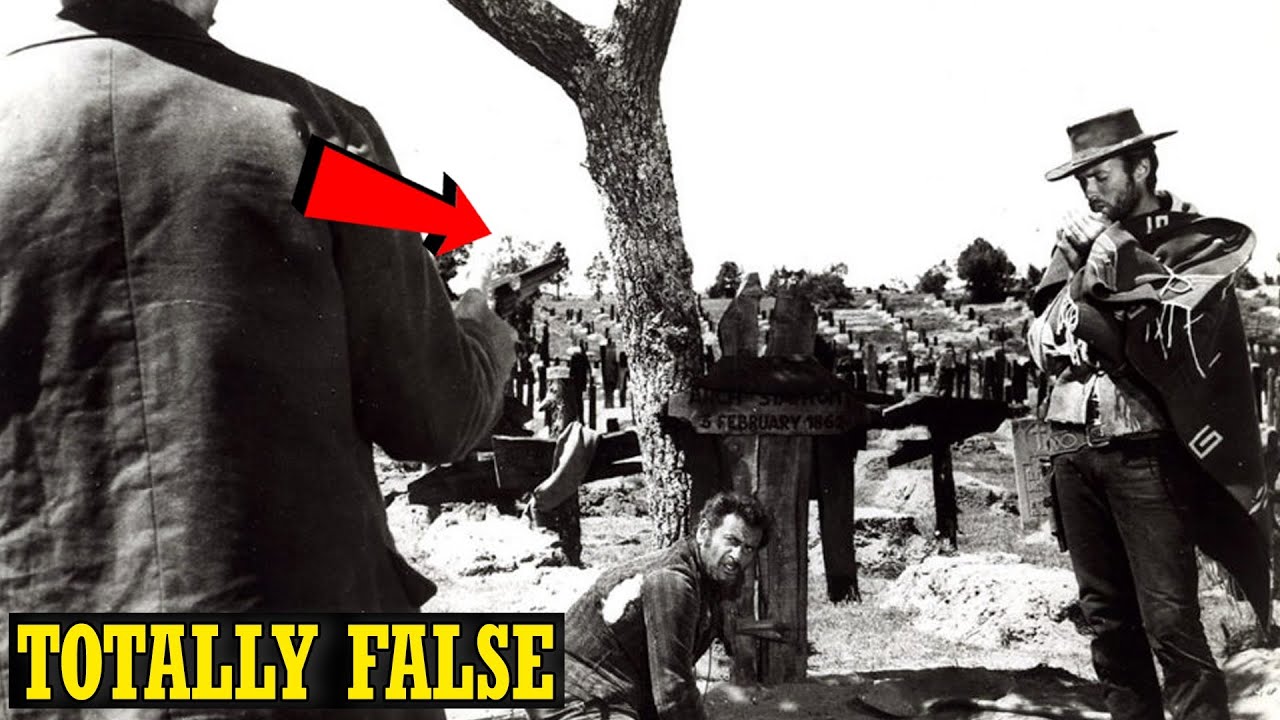 The American Old West is one of the most mythologized periods in history. Movies, television shows, and dime novels have painted a picture of cowboys, outlaws, and lawmen that is often far from the truth. Many of the things you think you know about the Wild West are simply not accurate.
Let us take a closer look at seven of the most ridiculous myths that people still believe today.
First, there is the myth of the constant, dramatic gunfight. Everyone imagines the Old West as a place where gunfights happened every day, right in the middle of Main Street. Two men would face off at high noon, staring each other down before drawing their pistols in a flash.
This image is almost entirely a creation of Hollywood. In reality, most towns had strict laws against carrying firearms within city limits. When you rode into town, you were usually required to check your guns at the sheriff’s office or the local saloon.
Actual gunfights were rare, messy, and anything but the clean, choreographed duels we see in films. The famous shootout at the O. K.
Corral lasted only about thirty seconds. It was not a planned duel but a chaotic, close-range confrontation. Most violence in the West was impulsive, often fueled by alcohol, and happened in saloons or gambling halls, not on a dusty street with a dramatic countdown.
Another widespread myth concerns the cowboy himself. The popular image is of a rugged, heroic figure, a lone rider who was always noble and brave. People think of cowboys as the central heroes of the West.
The truth is that cowboys were generally low-paid, overworked laborers. They were often teenagers or young men from poor backgrounds, including a significant number of African Americans, Mexican Americans, and Native Americans. Their job was grueling, dirty, and dangerous.
They spent long hours in the saddle, dealing with cattle, dust, and harsh weather. They were not glamorous figures. They were more like ranch hands than romantic icons.
 The cowboy myth was largely created by writers and showmen like Buffalo Bill Cody, who turned the hard life of the cattle driver into a profitable spectacle for Eastern audiences.
The third myth is about the prevalence of outlaws and gangs. Many people believe the West was overrun with notorious bandits like Jesse James and Billy the Kid, and that crime was everywhere. While there were certainly famous outlaws, they were not as common as the legends suggest.
Most of the West was actually quite peaceful. Small towns were often tightly knit communities where everyone knew everyone else. Serious crime was relatively rare.
The most common crimes were things like horse theft, cattle rustling, and public drunkenness. The famous outlaws became famous precisely because they were exceptions to the rule. Newspapers in the East loved to sensationalize stories of bank robberies and train heists, making the West seem far more dangerous than it really was.
Many of the most wanted men were not cold-blooded killers but young men who made a few bad choices and then found themselves hunted.
A fourth myth involves the role of lawmen and sheriffs. The typical movie sheriff is a fearless, quick-drawing hero who cleans up the town single-handedly. In reality, being a sheriff was often a difficult and thankeless job.
Many sheriffs were elected by the community and had little formal training. They were not always the bravest or the most skilled with a gun. Some were corrupt, and others were simply ordinary men trying to keep the peace.
The job involved a lot of paperwork, serving legal documents, and collecting taxes. Shootouts with outlaws were rare. When a posse was formed to chase a criminal, it was often made up of ordinary citizens who were unpaid and reluctant.
 The image of the lone heroic lawman is a romantic fiction. Law enforcement was a community effort, and it was not always successful.
The fifth myth concerns the treatment of Native Americans. The popular narrative often shows Native Americans as either savage warriors or noble victims. The reality is far more complex and tragic.
The Old West was not a frontier of adventure for everyone. For Native American peoples, it was a time of displacement, broken treaties, and violent conflict. The U.
S. government systematically forced tribes off their ancestral lands. The famous battles, like the Battle of Little Bighorn, were not simple victories or defeats.
They were part of a long, brutal war of conquest. The myth of the “wild” Indian ignores the rich cultures, complex societies, and deep histories of the hundreds of tribes that lived in North America for thousands of years before European settlers arrived. The story of the West is also a story of loss and survival for Native peoples.
A sixth myth is about the diversity of the West. Many people picture the Old West as a place populated almost entirely by white men. This is completely false.
The West was incredibly diverse. As mentioned earlier, cowboys included many African Americans and Mexican Americans. Chinese immigrants played a huge role in building the transcontinental railroad and worked in mining camps and laundries.
There were entire communities of Chinese settlers in many Western towns. Mexican and Spanish communities had been in the Southwest for centuries before the United States expanded westward. Women, too, were a vital part of the West.
 They ran farms, businesses, and even saloons. The myth of the all-white, all-male West erases the contributions of countless people from different backgrounds who actually built the region.
The seventh and final myth is about the speed and accuracy of guns. Hollywood has taught us that a skilled gunslinger could draw a six-shooter and hit a target from a hundred yards away with perfect aim. This is physically nearly impossible with the firearms of the time.
The Colt Single Action Army revolver, the famous “Peacemaker,” was not a precision instrument. It was a close-range weapon. Accuracy beyond twenty or thirty feet was very difficult, especially under the stress of a real confrontation.
The quick-draw technique that we see in movies was not a common practice. Most gunfights happened at very close range, often inside a saloon or a room. People did not practice fancy spins or trick shots.
They simply pointed the gun and fired, often missing. The myth of the expert marksman is a product of stage shows and later Western films, not historical reality.
These seven myths have shaped our understanding of the American Old West for over a century. The real West was a place of hard work, cultural mixing, and gradual settlement. It was not a non-stop adventure filled with gunfights and outlaws.
It was a complex, messy, and often ordinary place where real people lived real lives. The myths are entertaining, but they are not history. Understanding the truth behind the legends gives us a much richer and more honest picture of this important period in American history.
The next time you watch a Western movie, remember that the reality was probably much more interesting, and certainly much more human, than the story on the screen.