
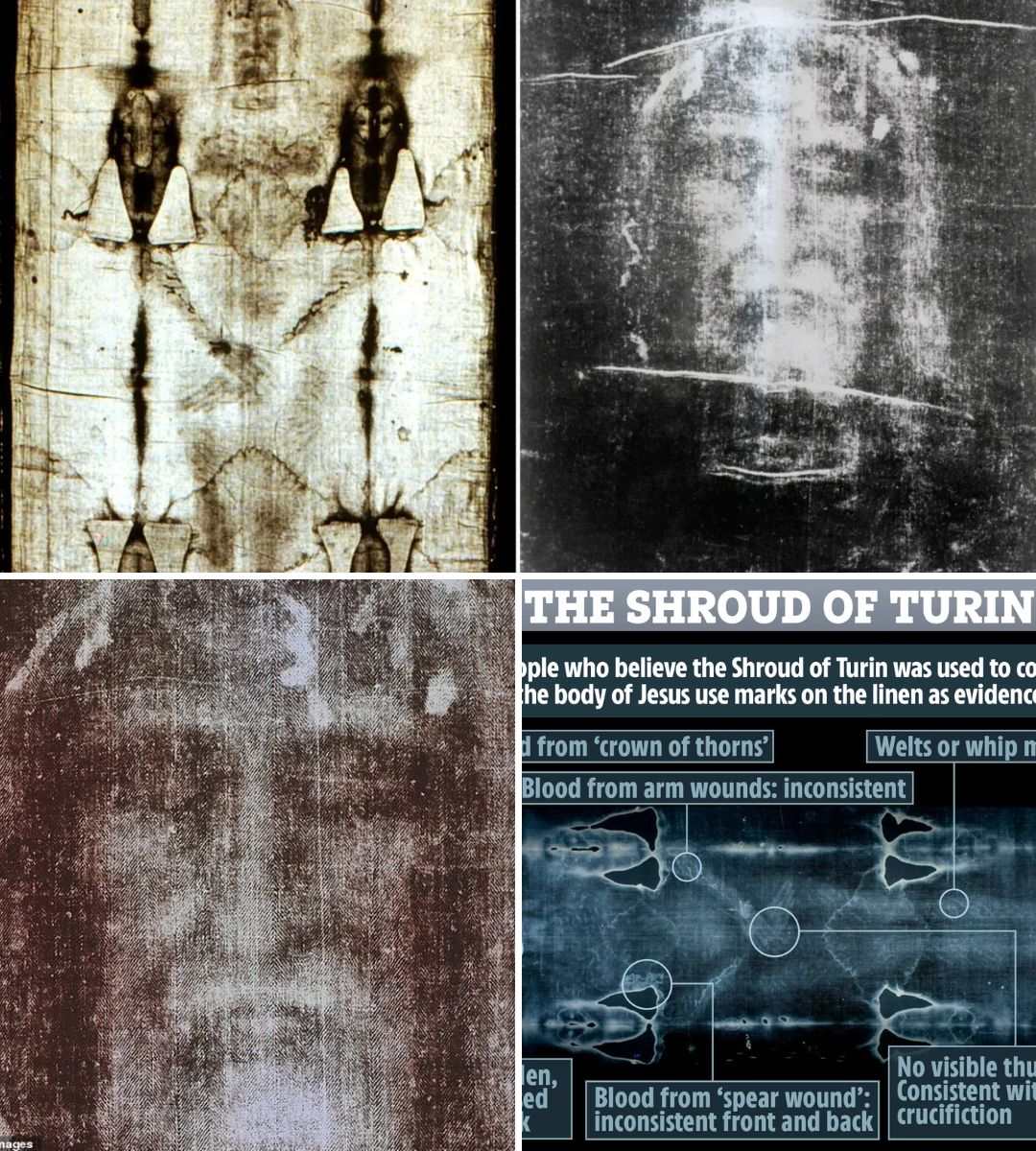

A groundbreaking discovery has emerged in the ongoing mystery surrounding the Shroud of Turin, as scientists have reportedly identified unexpected DNA traces on the ancient burial cloth, which some believe may have once enveloped the body of Jesus Christ. This revelation adds a new layer of intrigue to a relic that has captivated believers and skeptics alike for centuries.
The Shroud of Turin, measuring approximately 14 feet by 3.5 feet, is renowned for its striking image of a bearded man, sparking debates about its authenticity since it was first publicly displayed in the 1350s. Housed in the Cathedral of Saint John the Baptist in Turin, Italy, the cloth attracts thousands of visitors each year, all eager to glimpse this enigmatic artifact.
 Recent findings from a yet-to-be-published study by researchers at the University of Padova reveal that the Shroud contains a complex mix of DNA, including traces from various animals and plants, as well as human DNA. The researchers analyzed samples collected in 1978 and discovered genetic material from domestic animals such as dogs, cats, and chickens, alongside evidence of human DNA that appears to originate from Indian lineages.
This unexpected genetic diversity raises intriguing questions about the Shroud’s history. The researchers suggest that the presence of Indian genetic material could be linked to historical trade routes or interactions involving linen imports from the Indus Valley region. However, they caution that the contamination from years of handling complicates efforts to pinpoint the cloth’s original DNA.

The study highlights the challenges faced by historians and scientists in unraveling the Shroud’s origins. According to the research, the multitude of human DNA variants found on the cloth indicates contact with numerous individuals over time, making it difficult to ascertain its true provenance.
The Shroud of Turin has long been a focal point for those exploring its connection to the crucifixion of Jesus. While some argue that the cloth is a genuine relic from that era, others contend that it is a medieval creation. The ongoing debate has led to over 170 peer-reviewed studies since the 1980s, each attempting to shed light on its mysterious past.
As the search for answers continues, the Shroud remains a powerful symbol of faith and curiosity. What new revelations might we uncover about this ancient artifact in the future?


