
Tombstone, Arizona, a name that echoes through the annals of American history, is steeped in tales of legendary gunfights and fierce rivalries. This once-thriving mining town, known for its gritty past, is not for the faint of heart. But what lies beneath the surface of this iconic Old West destination?
Founded in 1878 by Ed Schieffelin, Tombstone emerged from the rugged landscape of the Arizona Territory, where Schieffelin, a determined miner, discovered a promising vein of silver. Ignoring warnings from a soldier who ominously told him he would find nothing but his “tombstone” in those hills, Schieffelin pressed on. His discovery sparked a rush of silver seekers, transforming a mere mining camp into a bustling settlement.
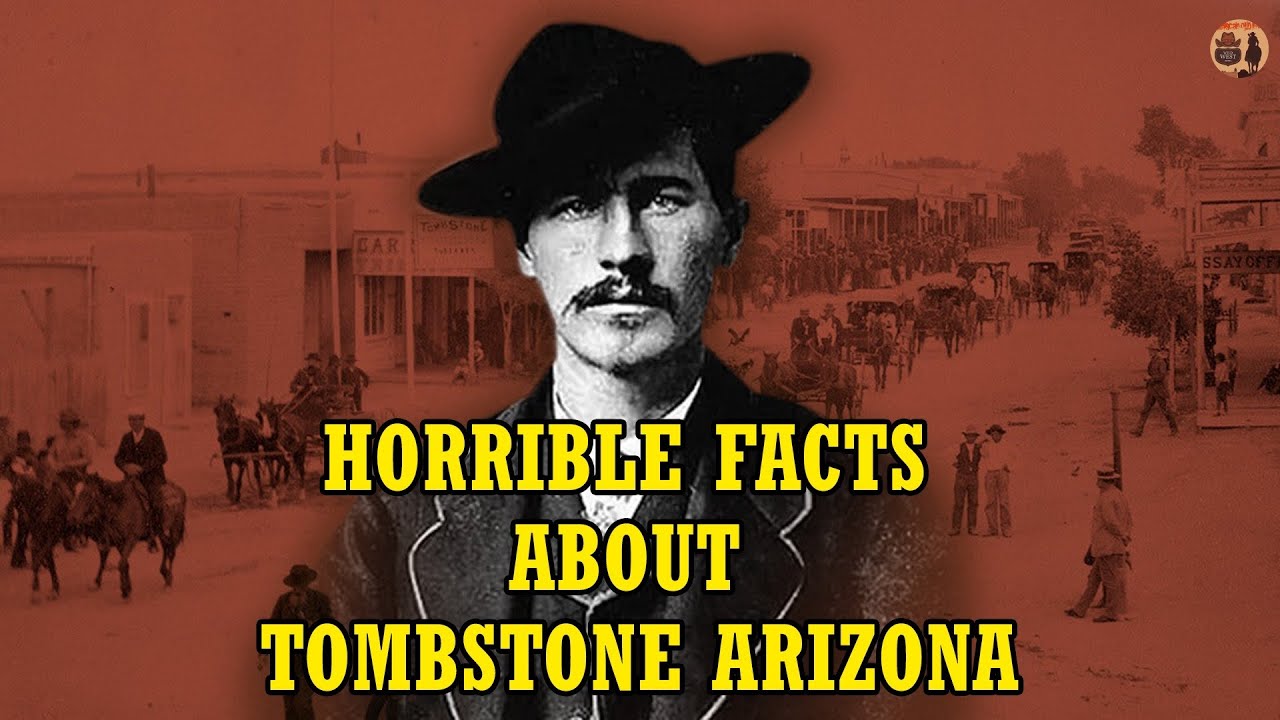 By December 2, 1878, Tombstone had its post office, and within months, the town was officially laid out with plots selling for just five dollars. The population quickly swelled as news of silver spread, attracting a mix of miners, gamblers, and outlaws. Among the newcomers were the Earp brothers, who arrived in 1879, bringing with them a reputation that would become intertwined with Tombstone’s tumultuous history.
As the town flourished, it also attracted notorious figures like Doc Holliday and Kate Elder, who capitalized on the booming entertainment scene. However, the arrival of the Earp brothers stirred tensions with local outlaws, particularly the Clanton gang, who were known for their lawlessness and cattle rustling. This rivalry would culminate in one of the most famous confrontations in American history—the gunfight at the O.
K. Corral.
 On October 26, 1881, in a mere thirty seconds, the Earp brothers and Holliday faced off against the Clantons, resulting in a deadly shootout that left several dead and marked a turning point for the town. While the Earp brothers were acquitted of murder charges, the conflict escalated, leading to further violence and revenge killings.
Despite the chaos, Tombstone continued to grow, boasting a population of around 8,000 by 1881. The town was a hub of activity, featuring saloons, gambling houses, and even an opera house. Yet, the prosperity was short-lived.
 A series of devastating fires and the discovery of water flooding the mines in the late 1880s signaled the decline of Tombstone’s silver boom.
By the late 1920s, the decision to relocate the county seat to nearby Bisbee marked a significant blow to Tombstone’s status, pushing it toward ghost town status. However, the spirit of its residents has kept the town alive. Efforts to preserve its rich history have transformed Tombstone into a tourist destination, attracting visitors eager to experience its storied past.
 Today, Tombstone stands as a testament to resilience, with its historic buildings and the infamous gunfight reenacted for curious tourists. Just 60 miles southeast of Tucson, this charming town invites exploration and reflection on its vibrant yet tumultuous history.
What other secrets might this Old West gem still hold?

