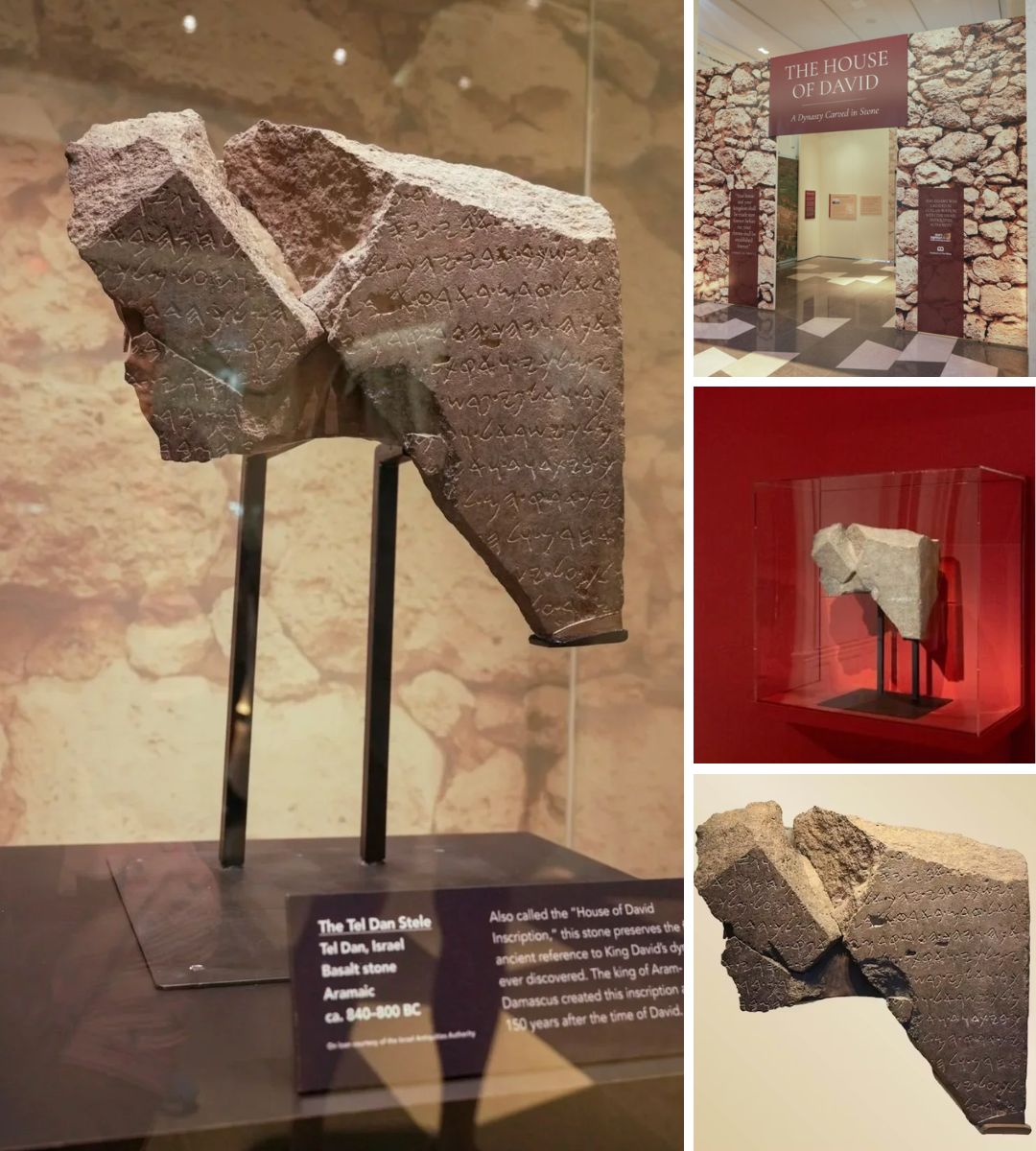

A remarkable piece of history is captivating visitors at the Museum of the Bible in Washington, D.C. An ancient basalt stone, known as the Tel Dan Stele, is currently on display, showcasing the earliest known reference to the “House of David.” This extraordinary artifact, which dates back approximately 3,000 years, is available for public viewing free of charge until November 3.
On loan from the Israel Antiquities Authority, the Tel Dan Stele was unearthed in 1993 and has since been hailed as a groundbreaking find in biblical archaeology. Bobby Duke, the museum’s chief curatorial officer, emphasized its significance, stating that it serves as vital evidence of King David’s historical existence. “Before this discovery, there were scholars who doubted King David was a real figure. Now we have an inscription outside the Bible that confirms his dynasty,” Duke explained.
Dating back to the 9th century BCE, the stele features a memorial inscription from an Aramean king who boasts about his victories over both the king of Israel and the king of the House of David, referred to in Aramaic as “bytdwd.” This mention not only reinforces the narrative of King David’s reign but also connects to other biblical figures, including Jehoram of Israel and Ahaziah of Judah, according to Jim Parker, a scholar at the New Orleans Baptist Theological Seminary.
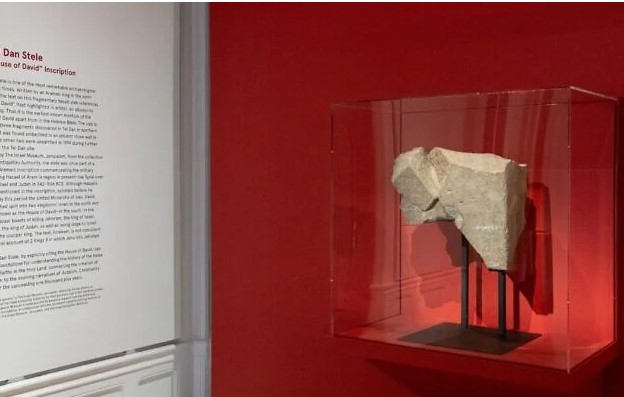
Parker noted the inscription’s historical context, linking it to events chronicled in the Old Testament, particularly in 2 Kings 9. “This discovery places the biblical text in a historical framework, affirming its reliability,” he said. The Tel Dan Stele is considered more definitive evidence of King David’s existence than the previously known Moabite Stone, highlighting its importance in validating biblical accounts.
The Museum of the Bible has curated this exhibit in its Grand Hall as part of its “First Floor Free” initiative, allowing visitors to engage with this significant artifact without any admission fee. Duke expressed the museum’s mission to make pivotal biblical discoveries accessible to all, enhancing the experience of the Bible in tangible ways.
Eli Escusido, director of the Israel Antiquities Authority, echoed the exhibit’s importance, emphasizing the value of showcasing Israel’s historical treasures, including ancient texts from the Dead Sea Scrolls. “Presenting the cultural wealth of the Land of Israel is crucial, especially in today’s world,” he stated, highlighting the enduring significance of these artifacts.
Visitors can also explore the Megiddo Mosaic, an exquisite floor from one of the earliest known Christian worship sites, dating back to 230 CE, enriching the experience of the museum. What other secrets might these ancient artifacts reveal about our shared history?


