
In the early morning hours of March 4, 1995, the quiet routine of a family-owned Vietnamese restaurant in New Orleans East was shattered by gunfire. When the smoke cleared, three people lay dead: off-duty New Orleans Police Officer Ronald Williams II, 25; Cuong Vu, 17; and his sister Ha Vu, 24. What made the triple homicide one of the most infamous crimes in modern New Orleans history was not just its brutality, but the identity of one of the perpetrators — Antoinette Frank, a fellow NOPD officer and Ronald Williams’ patrol partner.
More than three decades later, Frank, now 65, remains the only woman on Louisiana’s death row. Her case continues to spark intense debate about police vetting failures, the death penalty, gender disparities in sentencing, and the limits of post-conviction relief in high-profile cases.

The Crime: A Calculated Betrayal
On the night of the murders, Frank and her accomplice, Rogers LaCaze, targeted the Kim Anh (also referred to as Kim An) restaurant on Bullard Avenue, where Frank had previously worked off-duty security details and had keys to the building. The Vu family, who owned the restaurant, trusted her. That trust proved fatal.
According to evidence presented at trial, Frank and LaCaze entered the restaurant intending to rob it. When Officer Williams — who was working a paid security detail there — unexpectedly returned, he was shot and killed near the entrance, his service weapon still holstered. The Vu siblings were then herded into the walk-in freezer and executed at close range. Frank later admitted knowing people were inside when she fired into the freezer.
Surveillance and witness accounts placed Frank’s patrol car at the scene multiple times. Stolen items from the restaurant were later found in her locker. Ballistics linked weapons to both perpetrators. A surviving family member identified Frank as one of the shooters.
Frank initially tried to insert herself into the investigation, calling in the “shots fired” report and playing the role of a concerned partner. Her story quickly unraveled.
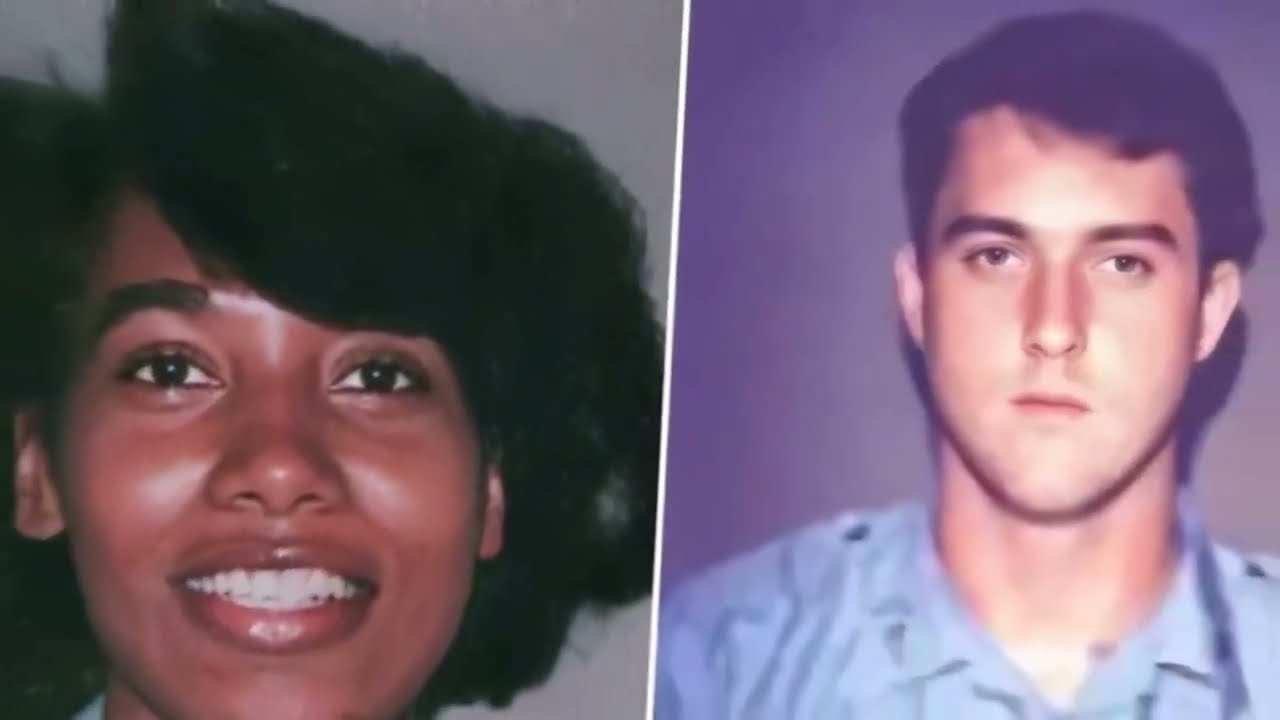
Background and Police Hiring Failures
Born in 1961 in New Orleans, Frank faced significant early hardships, including the death of her mother at age five. She served in the U.S. Army Reserve, worked as a paramedic, and pursued a career in law enforcement. However, her path to the NOPD was troubled from the start.
Court records later revealed that Frank failed psychological evaluations at least twice before being hired. Evaluators noted emotional instability, aggression, and unpredictable behavior. In the mid-1990s, amid a push to fill officer vacancies during a high-crime period, she was nevertheless approved. This decision would have devastating consequences.
At trial in September 1995, a jury deliberated for just 22 minutes before convicting Frank on three counts of first-degree murder. She was sentenced to death after less than an hour of penalty-phase consideration. LaCaze was also initially sentenced to death, but his sentence was later reduced to life without parole due to issues with juror selection.
Decades of Appeals and Current Status
Frank has spent over 30 years at the Louisiana Correctional Institute for Women in Gatesville. Her appeals have been extensive. In recent years, she has claimed that LaCaze coerced her at gunpoint, a narrative some supporters argue was not fully explored at trial. Prosecutors and victims’ families strongly dispute this, pointing to evidence of planning and Frank’s active participation.
As of June 2026, Frank’s case remains in post-conviction proceedings. Louisiana Attorney General Liz Murrill’s office has pushed aggressively for dismissal of her latest claims, citing the passage of time, lost evidence, and deceased witnesses. A recent Louisiana Supreme Court ruling allowed the state a hearing on the timeliness of her filings. Hearings continue, with the state seeking to set an execution date.
Frank was previously denied clemency. She is not currently scheduled for imminent execution but remains the focal point of ongoing legal battles.

Broader Implications
The Antoinette Frank case exposed deep flaws in the New Orleans Police Department during a turbulent era. It raised uncomfortable questions about hiring standards, oversight, and the betrayal of public trust by those sworn to protect it. The murders devastated the Vu family and the NOPD, becoming a symbol of institutional failure for many in the community.
For death penalty opponents, the case highlights disparities: Frank faces execution while her co-defendant serves life. Supporters of capital punishment point to the premeditated nature of the crime, the murder of a fellow officer, and the execution-style killings of two young people as justification for the ultimate penalty.
The case also underscores the prolonged nature of death row litigation in the United States. More than 30 years after the crime, victims’ families continue to wait for finality, while Frank maintains her legal challenges.

A Legacy of Loss
Ronald Williams left behind a young family. Cuong and Ha Vu were hardworking young people helping their family’s business. Their deaths represented not only personal tragedies but a profound violation of community safety and trust.
As Antoinette Frank’s legal journey continues, her story serves as a cautionary tale about the human capacity for betrayal and the complexities of justice. Whether she ultimately faces execution or spends the rest of her life in prison, the triple murder at the Kim Anh restaurant remains one of New Orleans’ darkest chapters — a night when the thin blue line was not just crossed, but violently shattered from within.