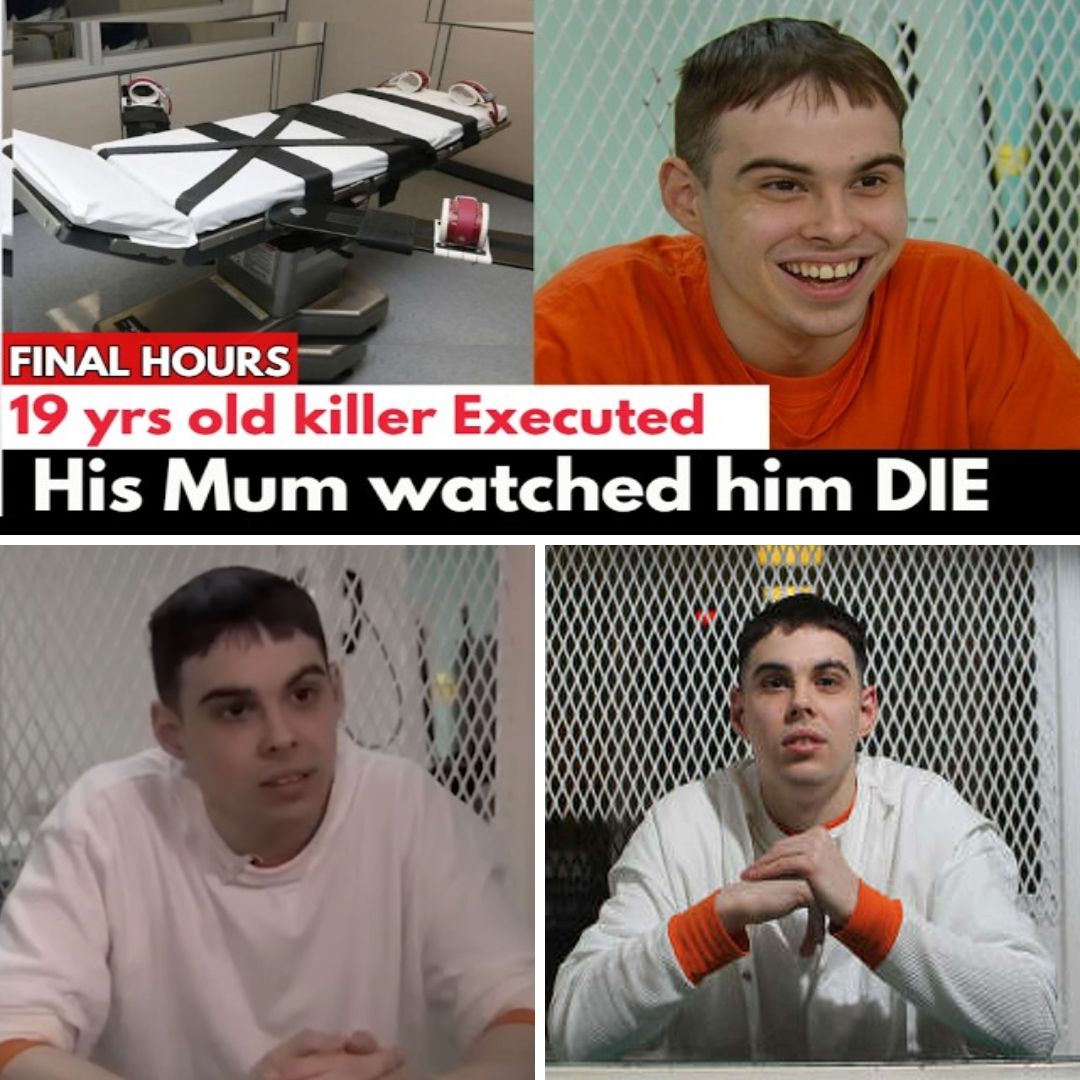
On July 1, 2010, inside the Huntsville Unit in Texas, 28-year-old Michael James Perry was strapped to a gurney and executed by lethal injection at 6:17 p.m. His final words reflected a mix of faith, forgiveness, and lingering claims of innocence. Just 13 days earlier, his father had passed away, adding a layer of profound tragedy to an already harrowing story. Perry’s execution marked the end of a case that had shocked Montgomery County, Texas, nearly a decade earlier — a brutal triple murder driven by the desire to steal a Camaro.
Perry’s life and crimes encapsulate the complex intersections of childhood trauma, behavioral disorders, failed interventions, and the American criminal justice system’s approach to violent offenders. Convicted of killing nurse Sandra Stotler, 50, her son Adam Stotler, 17, and Adam’s friend Jeremy Richardson, 18, Perry maintained his innocence until the end, pointing the finger at his accomplice, Jason Burkett.
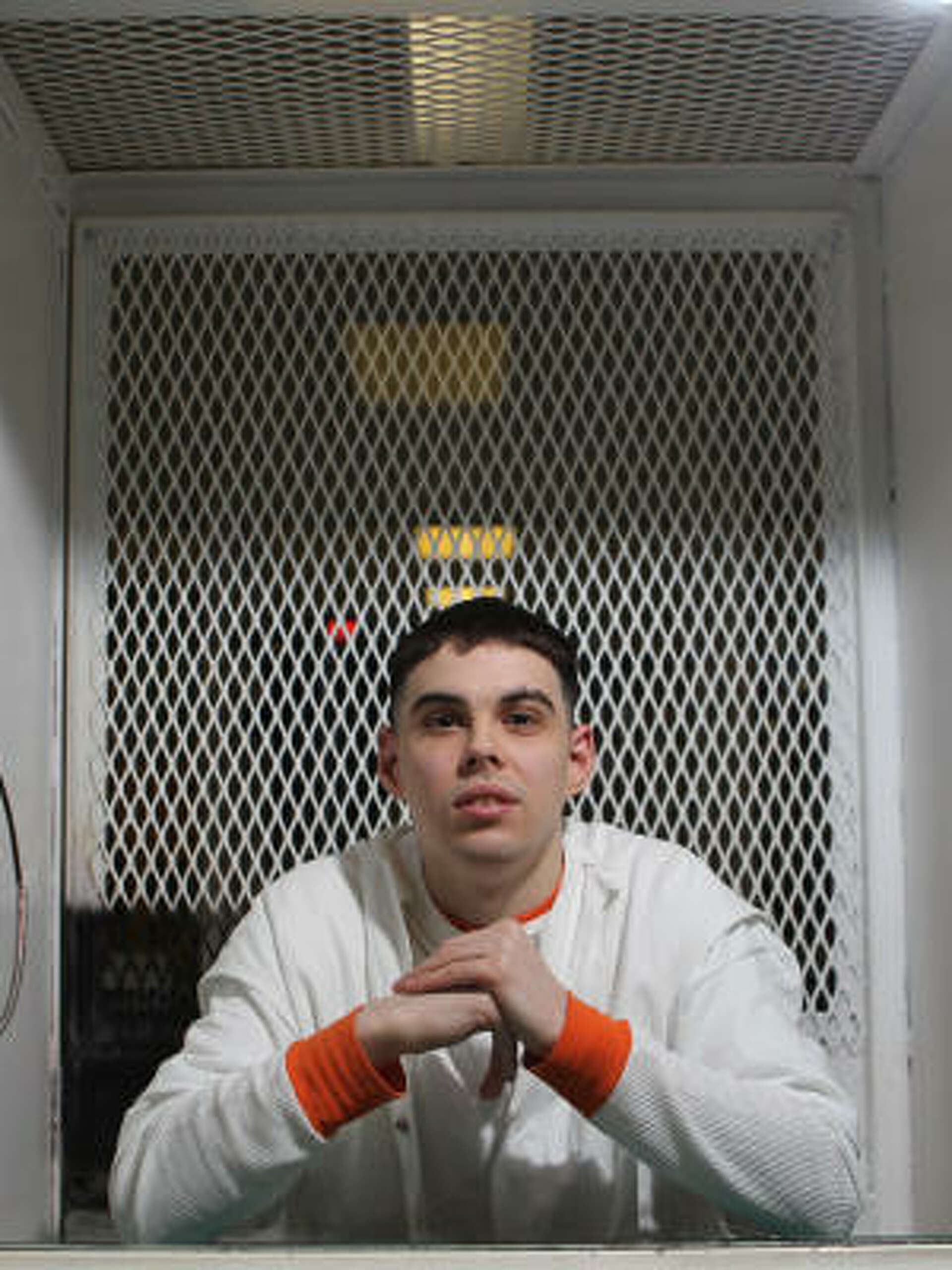
A Troubled Childhood and Early Warning Signs
Born on April 9, 1982, to a teenage mother struggling with addiction, Michael James Perry was placed for adoption shortly after birth. His adoptive parents in Texas provided a stable, middle-class home and exhausted resources to help him. Yet from an early age, Perry exhibited severe behavioral issues.
Diagnosed with attention deficit disorder in first grade, Perry struggled with focus, impulsivity, and authority. By seventh grade, doctors added oppositional defiant disorder, followed by conduct disorder. He ran away repeatedly, stole from his family, joyrode vehicles, and engaged in vandalism, including breaking into neighbors’ homes to destroy property. Despite an average IQ of 97, he did not qualify for special education and fell through the cracks of available support systems.

His parents tried multiple interventions: counseling, specialized programs in the Florida Everglades, and residential treatment at Father Flanagan’s Boys Town in Nebraska. At Boys Town, Perry made a chilling statement to staff about potentially raping or killing their children, leading to his transfer to a more secure unit. He was later sent to Casa by the Sea, a private facility in Mexico, where he completed high school but left on his 18th birthday, rejecting further therapy.
Homeless in San Diego after leaving the program, Perry’s path grew darker. By 2001, back in Texas, he connected with Jason Burkett, and together they committed the crimes that would seal their fates.
The Triple Murder: A Crime of Opportunity and Brutality
On October 24, 2001, in Conroe, Texas, Perry and Burkett targeted Sandra Stotler’s red Camaro. According to prosecutors, the pair killed Stotler in her garage, then lured her son Adam and his friend Jeremy into the woods under false pretenses before executing them in cold blood. The bodies were discovered days later, and Perry was arrested while driving the stolen Camaro. Evidence against him was overwhelming: ballistics, witness statements, and his possession of the vehicle.
Perry and Burkett were tried separately. Perry was convicted of capital murder in 2002 and sentenced to death. Burkett received a life sentence. Throughout his appeals, Perry insisted Burkett was the primary shooter and that he had not pulled the trigger on the fatal shots. His legal team highlighted his troubled background, arguing it should mitigate his culpability.
Life on Death Row and Final Days
Perry arrived on death row as one of Texas’s youngest inmates at the time. He spent nearly eight years fighting his sentence, filing appeals and proclaiming innocence. His final days were overshadowed by personal loss. His father died on June 10, 2010, just weeks before the scheduled execution. Prison officials allowed Perry a phone call with family, during which he learned of the death.
In his last statement, Perry addressed his mother, mouthing “I love you,” forgave those involved in his execution, and expressed hope of reuniting with his father. His last meal was simple: three cheeseburgers, three root beers, and apple pie. At 28, he was pronounced dead minutes after the drugs were administered.
Broader Questions on Juvenile Crime, Rehabilitation, and Capital Punishment
Perry’s case raises enduring questions about the roots of violent crime. His documented history of behavioral disorders and failed interventions highlights gaps in the mental health and juvenile justice systems. While his adoptive parents clearly tried extensively, systemic limitations left a troubled young man without adequate long-term support.
Texas’s aggressive use of the death penalty in the early 2000s made Perry’s execution unsurprising, despite his relatively young age at the time of the crimes (19). The case also underscores debates over accomplice liability — whether Perry’s role warranted the ultimate punishment or if Burkett bore greater responsibility.
Supporters of the death penalty point to the premeditated, brutal nature of the triple murder and the need for justice for the victims’ families. Opponents cite Perry’s background, claims of innocence, and the moral weight of executing someone whose life was marked by early trauma and institutional failures.
A Legacy of Loss
The Stotler and Richardson families endured unimaginable grief. Sandra Stotler was a dedicated nurse; Adam and Jeremy were promising young men whose lives were cut short in a senseless act of violence over a car.
For Perry’s adoptive family, the pain was compounded — losing a son to the justice system after years of struggling to save him. His mother witnessed the execution, bearing the weight of two family deaths in quick succession.
Michael James Perry’s story is not one of easy redemption or simple villainy. It is a cautionary tale about the cascading consequences of untreated behavioral issues, the limits of intervention, and the irreversible finality of both crime and punishment. Nearly 16 years after his execution, it remains a stark reminder of the human cost on all sides of the criminal justice system — victims, perpetrators, and the families caught in between.