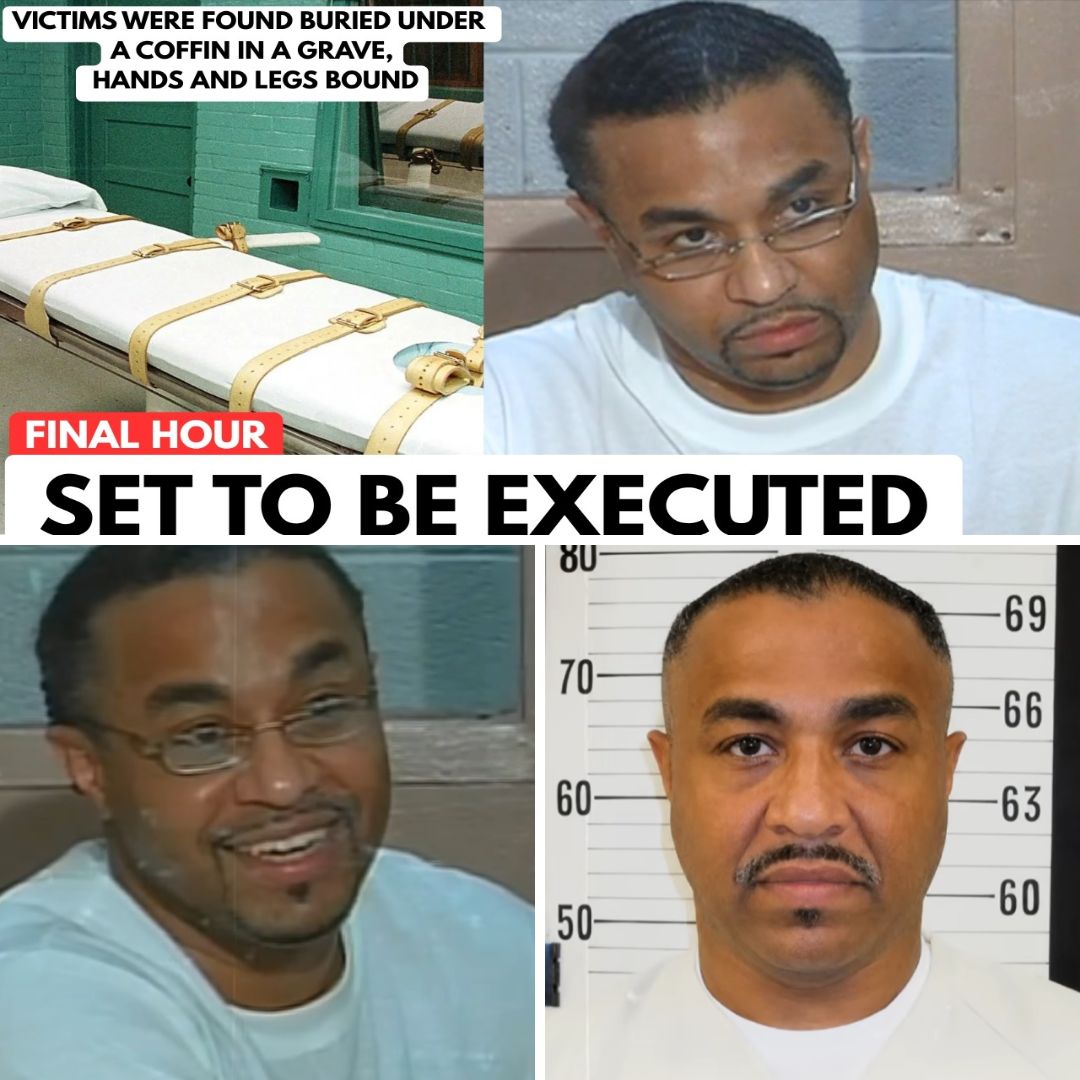
In the tense days leading up to May 21, 2026, the state of Tennessee stood ready to carry out the execution of Tony Von Carruthers at Riverbend Maximum Security Institution in Nashville. Convicted nearly three decades earlier in one of Memphis’s most horrifying crimes — the kidnapping and live burial of three people in a cemetery grave — Carruthers has spent more than 30 years on death row. His case, marked by claims of innocence, contested forensic evidence, questions of mental competency, and procedural irregularities, continues to divide legal experts, advocates, and the public as the final hours approached.
The scheduled execution brought renewed national scrutiny to Tennessee’s death penalty system and the enduring controversies surrounding capital punishment in cases with contested facts and prolonged appeals.
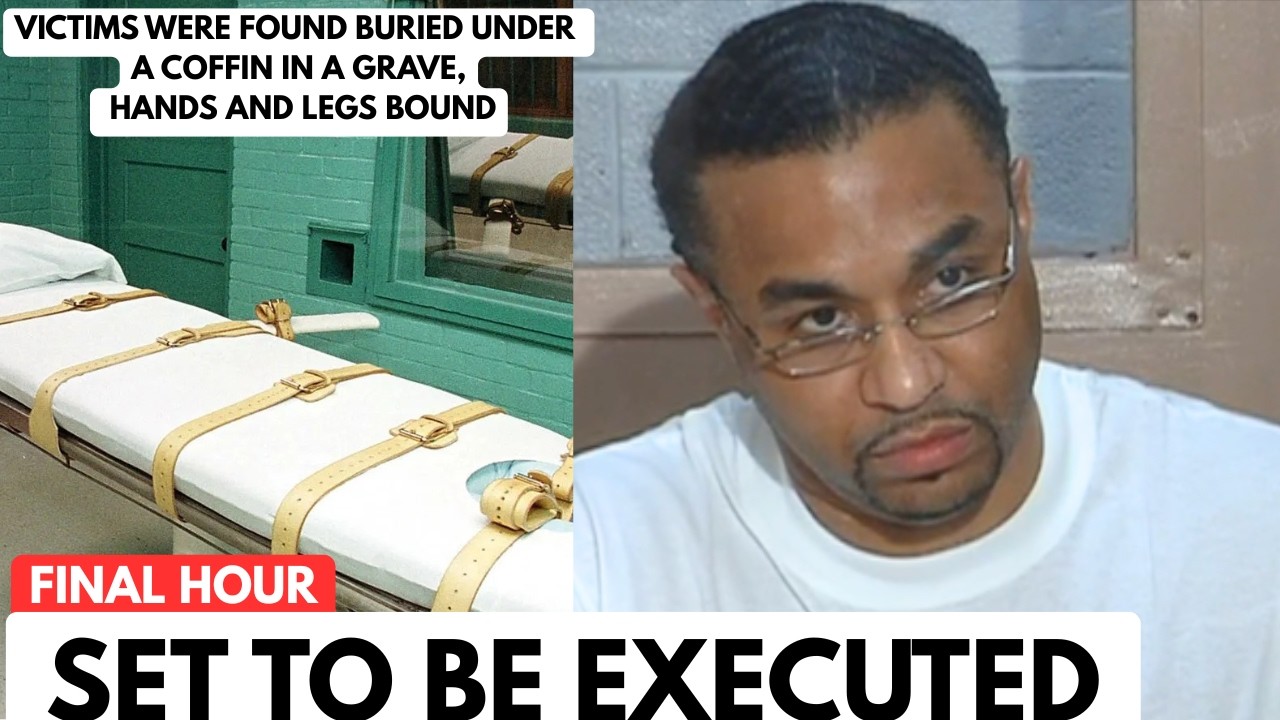
The Crime: A Grisly Discovery in Rose Hill Cemetery
On February 24, 1994, three people vanished from North Memphis: 21-year-old Marcellos “Cello” Anderson, his mother Delois Anderson, 43, and 17-year-old Frederick Tucker. A week later, on March 3, authorities were led to Rose Hill Cemetery on Elvis Presley Boulevard. Beneath an existing casket, covered by dirt and a piece of plywood, they unearthed the bodies of all three victims.
The details were harrowing. All three had their hands bound behind their backs. Frederick Tucker’s feet were also bound, with bruising around his neck suggesting ligature strangulation. A red sock was found around Delois Anderson’s neck. Medical examiner Dr. O.C. Smith concluded that all three victims were alive when buried. Marcellos Anderson had been shot multiple times but remained paralyzed from a spinal injury before suffocating. The others died from asphyxia due to the weight of dirt and their positioning in the shallow grave.
Prosecutors alleged the murders stemmed from a drug territory dispute. Carruthers, according to the state’s theory, orchestrated the abduction of Marcellos Anderson to eliminate competition, with Delois Anderson and Tucker caught in the wrong place at the wrong time. The victims were allegedly taken to a home, bound, transported, and buried alive.
The Investigation, Trial, and Conviction
Fingerprints and witness testimony linked Carruthers and the Montgomery brothers (James and Jonathan) to the scene. Jonathan Montgomery later led police to the grave but died by suicide in jail before trial. James Montgomery was tried alongside Carruthers in 1996.

Carruthers’ trial was highly irregular. He dismissed multiple court-appointed attorneys and ultimately represented himself — a decision later challenged on grounds of mental competency. With documented mental health issues, critics argued the court should not have allowed him to proceed pro se in a capital case. During the trial, he failed to effectively challenge key prosecution evidence, including Dr. Smith’s testimony that the victims were buried alive.
The jury convicted Carruthers on three counts of first-degree murder and sentenced him to death. James Montgomery later received a new trial due to improper joinder, accepted a plea deal, and was released in 2015. In a 2010 statement, Montgomery reportedly claimed Carruthers was not involved in the murders — a claim courts have weighed but not found sufficient to overturn the conviction.
Decades of Appeals and Lingering Questions
Carruthers’ post-conviction journey has been lengthy and contentious. His legal team has raised issues including:
- Forensic Disputes: Questions about the medical examiner’s determination that the victims were buried alive, and whether physical evidence was adequately tested or preserved.
- Mental Competency: Arguments that Carruthers’ self-representation stemmed from mental illness rather than informed choice.
- Witness Credibility and Alleged Withheld Evidence: Claims of prosecutorial misconduct and unreliable testimony.
- Actual Innocence: Reliance on Montgomery’s later statement and other exculpatory information.
Supporters, including civil rights organizations and death penalty abolitionists, argue the case is riddled with reasonable doubt and that executing Carruthers without fully resolving these issues would be a miscarriage of justice. Prosecutors and victims’ families maintain that a jury heard the evidence, that appeals have been exhaustive, and that the brutal nature of the crime demands finality.
As the May 21 date neared, Carruthers expressed confidence in exoneration, telling interviewers he would not be executed. Legal challenges continued up to the final hours, ultimately resulting in a stay or delay, though the threat of execution remains a defining feature of his decades on death row.
Broader Context: Capital Punishment in Tennessee
The Carruthers case highlights ongoing national debates about the death penalty. Tennessee has faced criticism for its execution methods, lengthy death row waits, and cases involving potential intellectual disability or mental illness. Carruthers’ situation also underscores systemic issues: self-representation in capital trials, the reliability of jailhouse and co-defendant testimony, and the challenges of proving actual innocence after many years.
For the families of the victims — Marcellos, Delois, and Frederick — the case represents unimaginable loss and a decades-long wait for closure. The brutal manner of death has made it one of Memphis’s most infamous crimes.
A Case Without Easy Resolution
Tony Von Carruthers’ story resists simple categorization. Convicted of orchestrating a horrific triple murder involving live burial, he has maintained innocence throughout. Whether one views the impending (or stayed) execution as justice long overdue or a potential tragedy depends on one’s perspective on capital punishment, evidentiary standards, and the finality of jury verdicts weighed against new claims of doubt.
As legal proceedings continue, the case serves as a sobering reminder of the human stakes in America’s criminal justice system — the irreversible nature of both the original crime and the state’s ultimate punishment. For now, Carruthers remains on death row, his fate still entangled in the complex machinery of appeals, forensic review, and moral reckoning that defines modern death penalty litigation.


