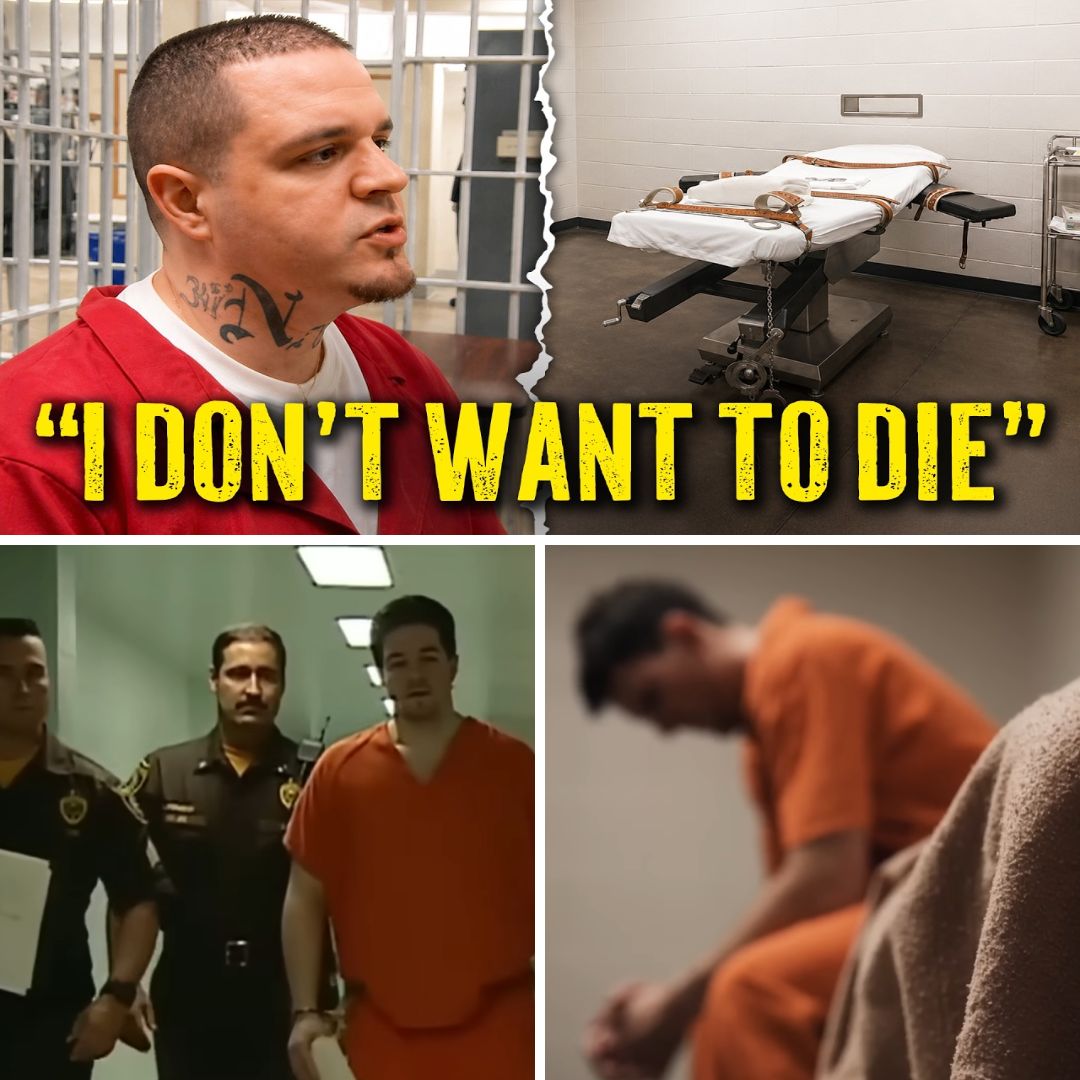
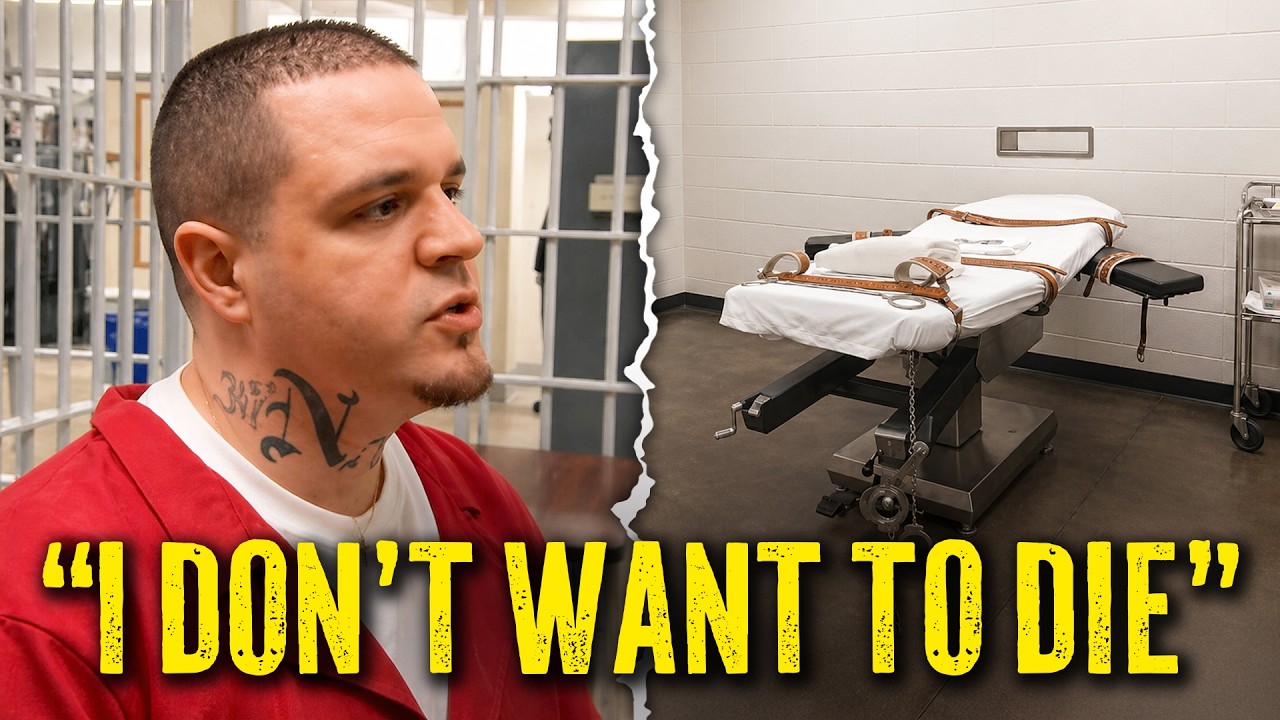
In the early hours of a fall morning in 2025, Benjamin Donny Ritchie, 45, was executed by the state of Indiana at the Indiana State Prison in Michigan City. His death marked the end of a 25-year journey on death row for the 2000 murder of Beech Grove Police Officer William “Bill” Toney. What unfolded in Ritchie’s final 24 hours offers a rare, intimate window into the machinery of capital punishment in America — a process marked by protocol, last meals, desperate legal maneuvers, and profound human emotion.
This reconstruction, drawn from court records, witness accounts, and documented proceedings, reveals not only the mechanics of an execution but also the complex questions of redemption, accountability, and justice that surround every capital case.
The Crime: A Young Officer’s Death
On September 29, 2000, 20-year-old Benjamin Ritchie was fleeing on foot from a stolen van in Beech Grove, Indiana. During the pursuit, he fired four shots. One struck Officer Toney just above his bulletproof vest, fatally wounding the 31-year-old father of two young girls on the eve of his birthday. Toney, a dedicated law enforcement officer, left behind a widow, Deedee Horan, and two daughters.
Ritchie was convicted in 2002. During his trial, he reportedly laughed at times and later had the slain officer’s badge number tattooed on his neck — details that would haunt him in later appeals and public perception. Sentenced to death, Ritchie began what would become a quarter-century of waiting.

Life on Death Row: Transformation and Controversy
Over 25 years, Ritchie’s story evolved. He expressed deep remorse, telling the parole board weeks before his execution: “I’m not that kid from 25 years ago. If I could go back and just shake that kid.” He spoke specifically of wanting to honor Officer Toney’s memory by helping others avoid reoffending.
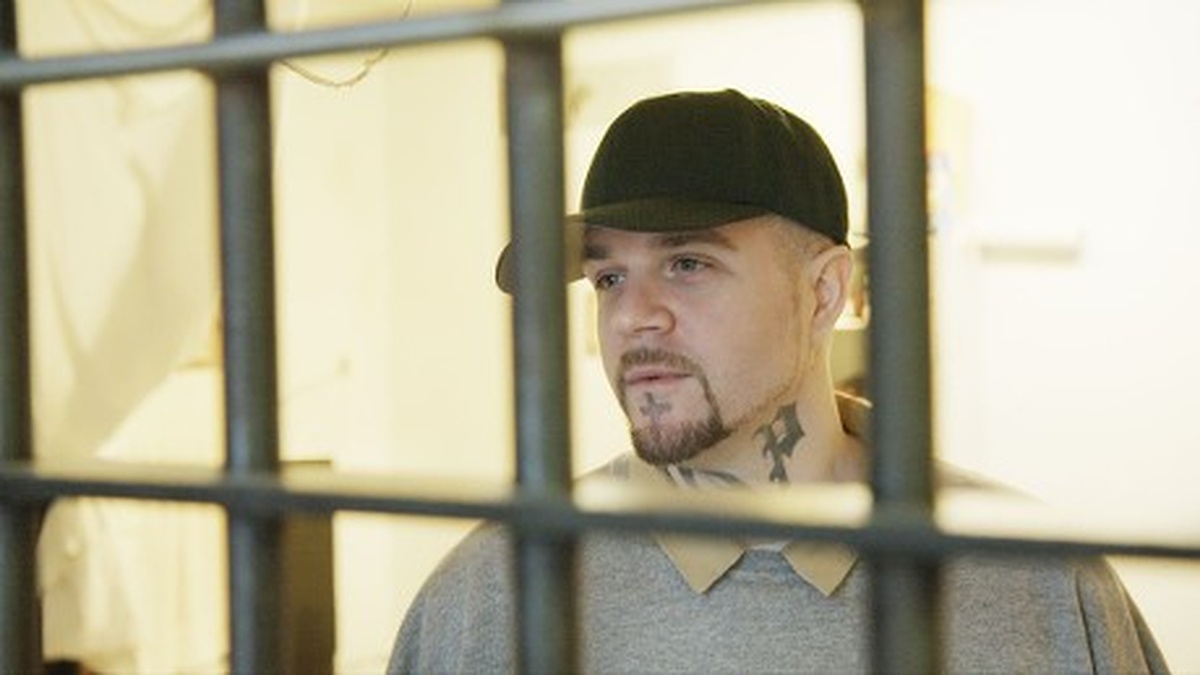
His time on death row included unusual chapters, such as a relationship with a Swedish woman who contacted him after seeing a documentary. There were even abandoned plans for escape that never materialized. Ritchie’s legal team highlighted claims of severe brain damage from fetal alcohol spectrum disorder and childhood lead exposure, arguing these impairments rendered his execution unconstitutional under the Eighth Amendment.
Despite these efforts, and a divided Indiana Supreme Court decision that acknowledged some concerns, all appeals were ultimately denied.
The Final 24 Hours: Protocol and Human Moments
As the clock ticked toward his scheduled execution, Ritchie was moved from general death row to the death watch cell under full restraints — handcuffs, waist chain, and leg irons — following strict Indiana Department of Correction protocol. Every movement, meal, and emotional state was meticulously logged.
His attorneys, Steve Schult and Mark Koselke, filed one final emergency petition to the U.S. Supreme Court, citing cognitive impairments and arguing cruel and unusual punishment. The petition was denied.
Ritchie received approved visitors in two-hour blocks: attorneys, supporters, and a spiritual advisor from the Catholic Diocese of Gary who had advocated for clemency. In these final meetings, those present noted a man markedly different from the defiant 20-year-old of 2002.
For his last meal, Ritchie chose Olive Garden’s Tour of Italy — lasagna, chicken parmesan, and fettuccine Alfredo. He ate while staff observed. As evening approached, a call confirmed the Supreme Court had denied the final stay. Ritchie was visibly shaken but composed.
The Execution Chamber
Shortly before midnight, Ritchie was transferred to the execution chamber and strapped to the gurney. Witnesses included members of Officer Toney’s family, a former partner who had been present the night of the shooting, attorneys, and a litigation specialist. Independent media were barred from the chamber per Indiana policy.
When given the opportunity for final words, Ritchie spoke calmly: “I love my family, my friends, and all the support I’ve gotten. I hope they all find peace.”
The execution proceeded via a single-drug protocol of pentobarbital. What followed was described by witnesses as distressing. Ritchie’s left hand clenched into a fist, his feet moved, and he briefly sat up before violently twitching for several seconds. He was pronounced dead at 12:46 a.m.
The state called the process orderly. Ritchie’s legal team described it as violent. Outside the prison, law enforcement officers held a silent vigil with blue glow sticks, while death penalty opponents maintained their own watch nearby.
Broader Implications
Benjamin Ritchie’s execution reignited debates about the death penalty in Indiana, a state that had gone 15 years without an execution due to difficulties obtaining lethal injection drugs. His case raises enduring questions: Can a person truly change after decades behind bars? Should brain damage and childhood trauma mitigate punishment for heinous crimes? And does the prolonged nature of death row itself constitute additional suffering?
For Officer Toney’s family, the execution brought a measure of closure after 25 years. For Ritchie’s supporters, it represented a missed opportunity for redemption and service. Public comments reflected the deep divide: some emphasized that victims’ families receive a permanent sentence, while others questioned whether executing a changed man served justice or vengeance.
As America continues to grapple with capital punishment — with methods, mental competency claims, and lengthy appeals under scrutiny — cases like Ritchie’s serve as powerful case studies. They humanize the statistics and force society to confront the moral weight of state-sanctioned death.
In his final hours, Benjamin Ritchie sought peace for those he harmed and those who stood by him. Whether that peace was achieved remains a matter for each observer to judge.


