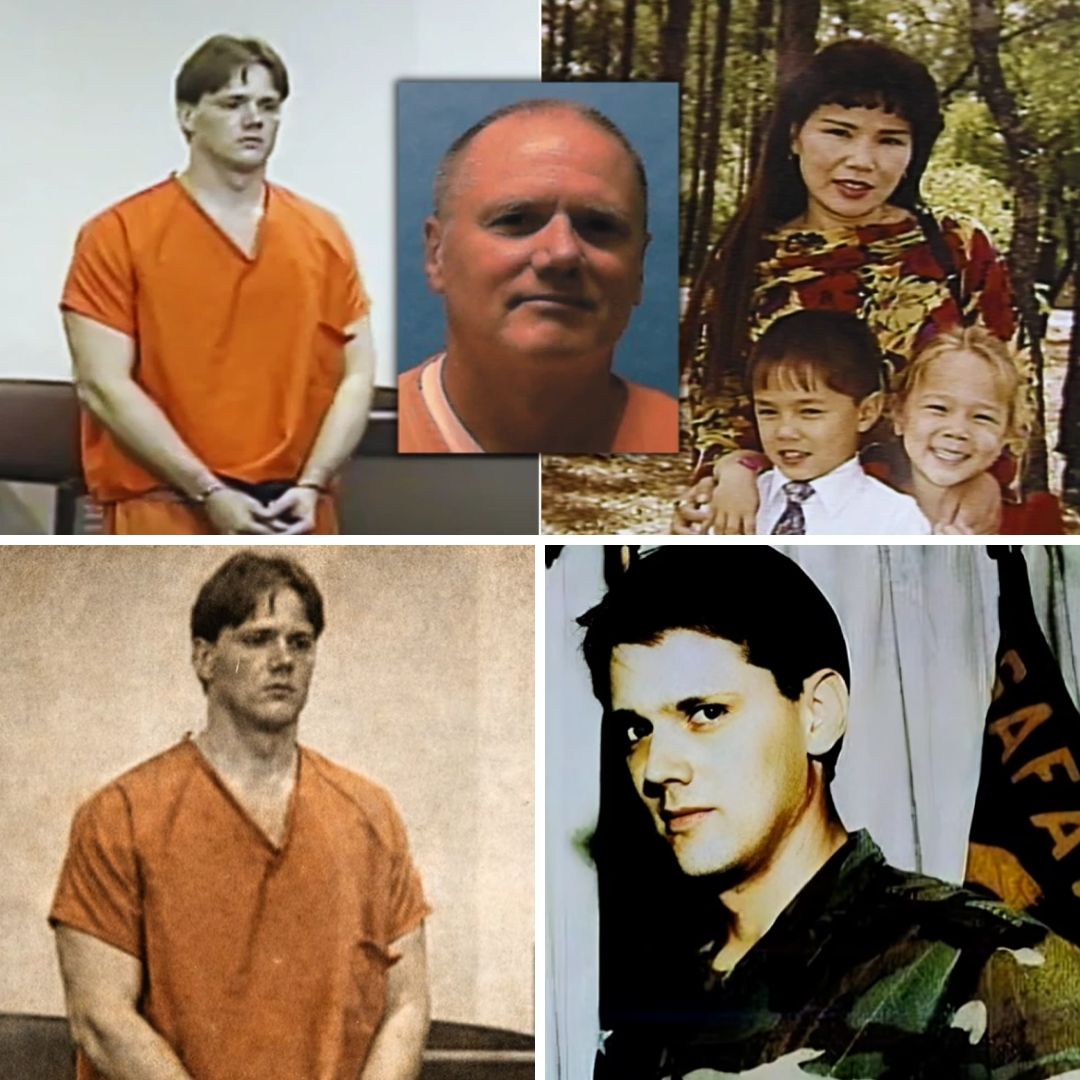
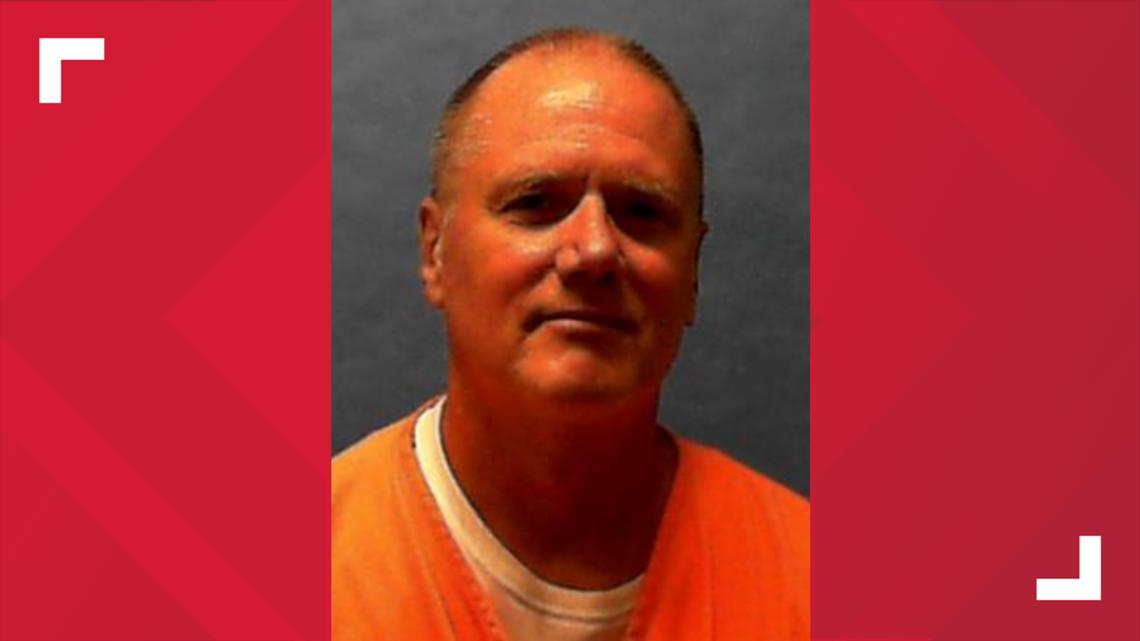
On July 31, 2025, the state of Florida carried out the execution of Edward James Zakrzewski II, a former U.S. Air Force technical sergeant, for the brutal 1994 murders of his wife Sylvia and their two young children. Strapped to a gurney in the execution chamber at Florida State Prison, Zakrzewski delivered one of the most haunting final statements in recent capital punishment history: “Thank you for killing me in the most cold, calculated, clean, humane, efficient way possible.” His words encapsulated the calculated nature of both his crimes and the state’s response after more than three decades of legal battles.
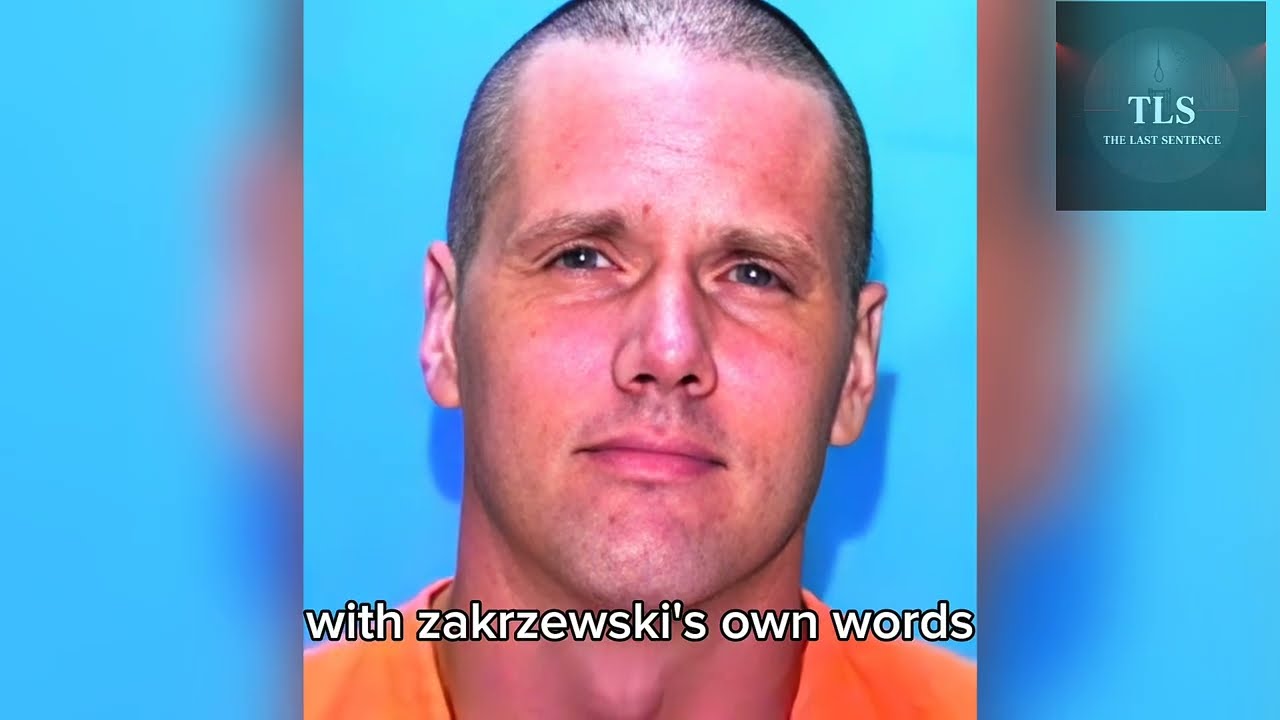
Zakrzewski’s case, which unfolded against the backdrop of the O.J. Simpson trial dominating national headlines, represents a stark example of familicide — the murder of one’s own family — and raises enduring questions about military service, mental health, premeditation, and the death penalty in America.
A Model Serviceman’s Descent into Darkness
Born on January 31, 1965, in Kalamazoo, Michigan, Edward Zakrzewski enlisted in the U.S. Air Force after a brief stint in college. He rose through the ranks to technical sergeant, a supervisory role that demanded discipline, leadership, and proven performance. By 1994, at age 29, he was stationed at Eglin Air Force Base in Florida, pursuing a college degree while maintaining a seemingly stable military career.
He met Sylvia (formerly Ponem), a South Korean woman who had previously been married to another American serviceman. They married after she became pregnant, and the couple had two children: Edward III (known as Kim), age 7, and Anna, age 5. The family had lived in South Korea for several years before relocating to Mary Esther, Florida, near the base. They purchased a home on Shrewsbury Road in April 1994.
Behind the facade of suburban stability, the marriage was crumbling. Sylvia expressed a strong desire to return to South Korea with the children. A neighbor later revealed that Zakrzewski had twice stated he would kill his family before allowing a divorce — warnings that went unreported at the time.
The Murders: Premeditated Horror
On June 9, 1994, after his son called him at work to relay Sylvia’s intention to seek divorce and take the children abroad, Zakrzewski acted with chilling deliberation. During his lunch break, he purchased a machete from an Army surplus store. Prosecutors presented evidence that he had withdrawn over $5,400 from a joint account the night before — actions indicating planning rather than a spontaneous reaction to the phone call.
That evening, Zakrzewski murdered his wife and children in their home in what prosecutors and investigators described as one of the most horrific crime scenes they had encountered. Retired Assistant State Attorney Bobby Elmore and lead detective Joe Nelson both called it the worst of their careers. The details, while not fully public in graphic form, involved extreme violence that shocked even seasoned law enforcement professionals.
Zakrzewski evaded immediate capture and surrendered months later. In 1996, he pleaded guilty to three counts of first-degree murder and received three death sentences.
Legal Battles and Appeals
Zakrzewski did not accept his fate quietly. For 31 years, he pursued appeals through state and federal courts, all the way to the U.S. Supreme Court. Every level upheld the convictions and sentences without significant dissent at the highest court. His legal team raised issues common in capital cases, though specific mitigating factors such as military service or mental health claims did not ultimately sway the courts.
His execution in 2025 came during a record year for Florida under Governor Ron DeSantis, who signed multiple death warrants, setting a modern pace not seen since the reinstatement of capital punishment in 1976.
The Execution and Final Words
In his final moments, Zakrzewski’s statement stood out for its detached, almost analytical tone. By thanking the state for a “cold, calculated, clean, humane, efficient” execution, he appeared to draw a parallel — whether consciously or not — between the method of his death and the methodical nature of his crimes decades earlier.
The execution marked Florida’s ninth of the year, underscoring the state’s aggressive approach to capital cases. It also highlighted how certain tragedies, like this familicide, can fade from public memory when overshadowed by larger national events, such as the O.J. Simpson saga unfolding at the same time.
Broader Implications
The Zakrzewski case touches on several critical issues in contemporary American society. It raises questions about the pressures faced by military families, the warning signs of domestic violence that go unheeded, and the challenges of prosecuting and punishing premeditated familicides. Zakrzewski’s military background — once a point of pride — became a stark contrast to the violence he inflicted on his own family.
For victims’ advocates, the execution represented long-delayed justice for Sylvia, Kim, and Anna. For opponents of the death penalty, it reignited debates about the morality and efficacy of capital punishment, especially in cases involving veterans or individuals who have spent decades on death row.
As Florida continues its active execution schedule, cases like Zakrzewski’s serve as reminders of the human cost on all sides: the irreversible loss of innocent lives, the prolonged suffering of families seeking closure, and the complex moral calculations inherent in state-sanctioned death.
The story of Edward J. Zakrzewski II is not one that easily lends itself to simple narratives. It is a tragedy of broken promises, unheeded warnings, and ultimate accountability. His final words, however interpreted, ensure that this case — long overshadowed — will not be entirely forgotten.