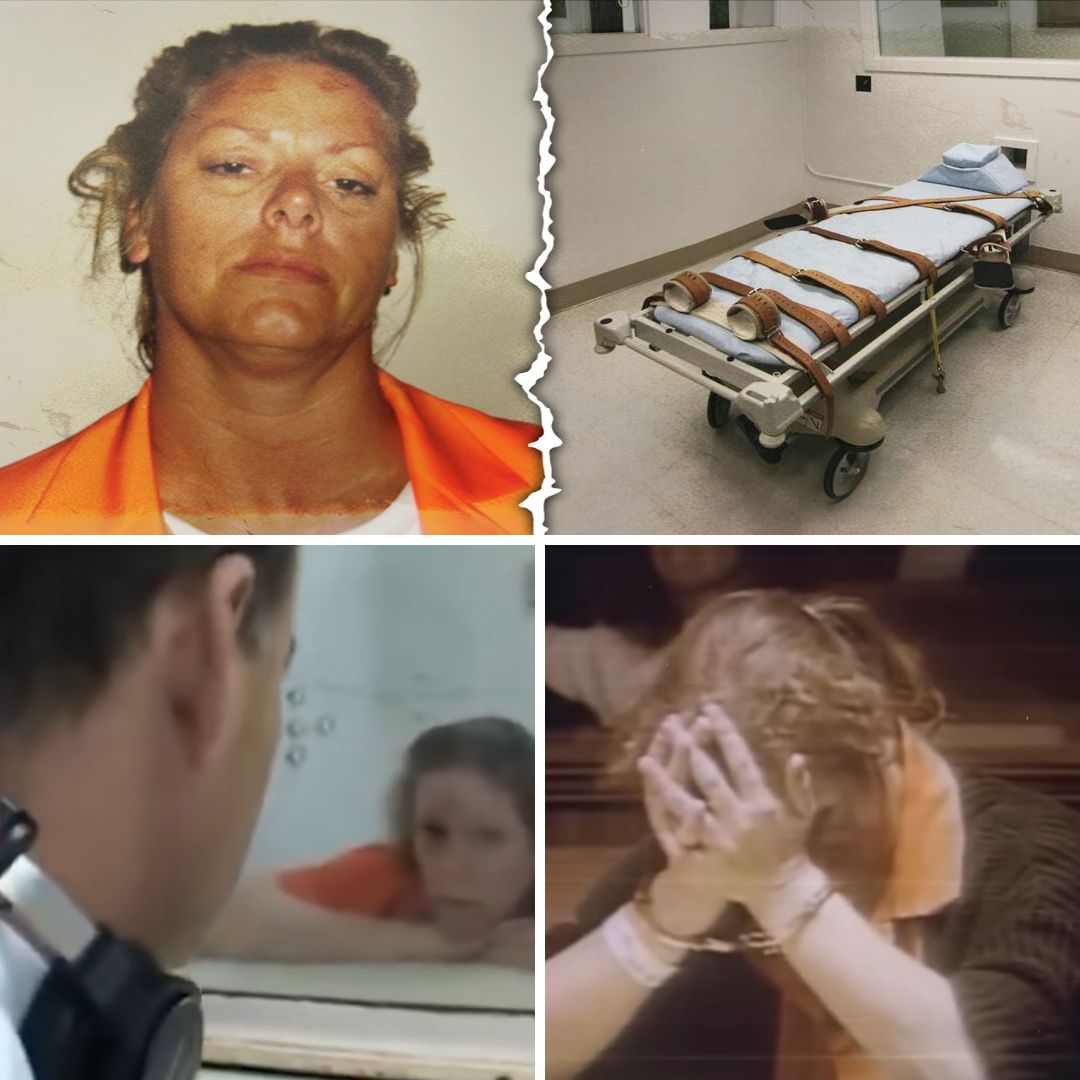
On October 9, 2002, Aileen Wuornos — one of America’s most notorious female serial killers — was executed by lethal injection at Florida State Prison. Convicted of murdering seven men between 1989 and 1990 along Florida’s highways, Wuornos became a polarizing figure: a prostitute who claimed self-defense against abusive clients, a media sensation portrayed as both victim and monster, and the subject of the Oscar-winning film Monster. Her final 24 hours offered a complex portrait of a woman who had spent more than a decade on death row grappling with trauma, mental illness, faith, and mortality.
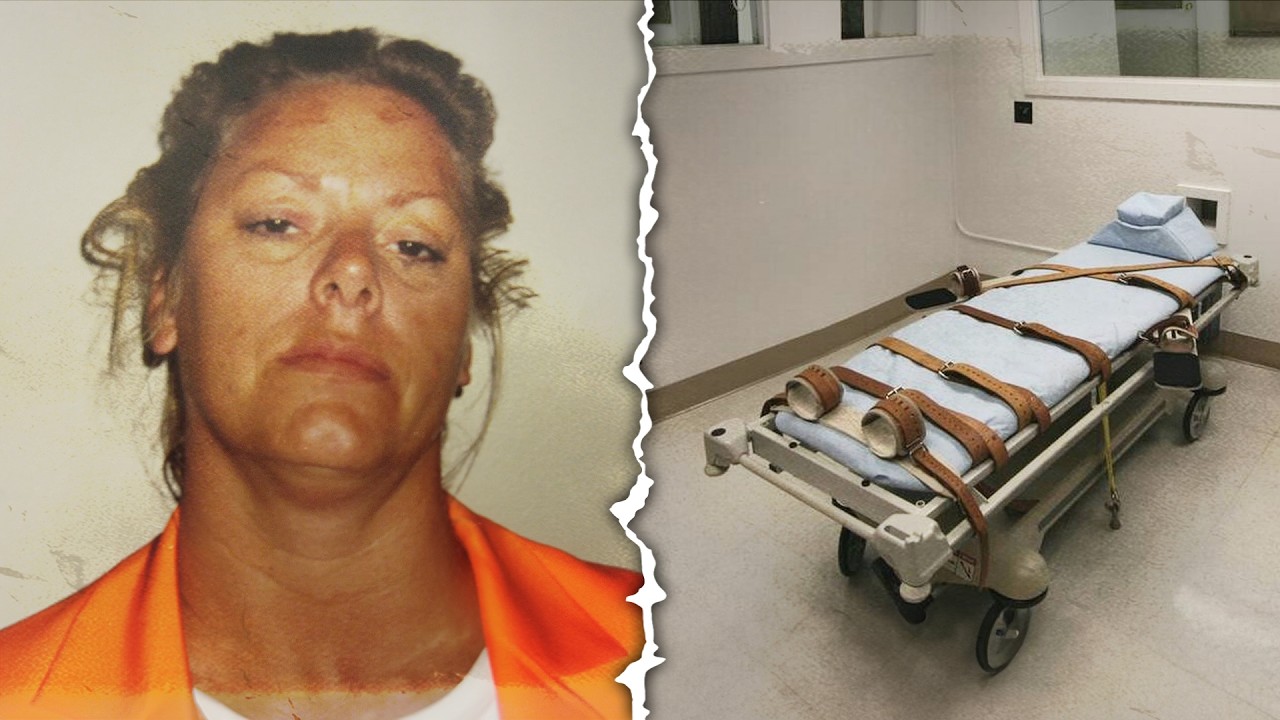
The Road to Death Row
Wuornos’s life was marked by profound hardship long before her crimes. Born in 1956 in Michigan, she endured severe childhood abuse, abandonment, and entered sex work at a young age. By the late 1980s, living in Florida, she claimed her killings were acts of self-defense against men who raped or attempted to rape her while she hitchhiked and worked as a prostitute. Prosecutors argued the murders were premeditated for financial gain. She was convicted in 1992 of the first-degree murder of Richard Mallory and received a death sentence. Additional convictions followed.

Her case sparked intense debate about trauma, mental health (she was diagnosed with borderline personality disorder and antisocial personality disorder), and the death penalty for women. Wuornos fired her lawyers, represented herself at times, and gave erratic interviews, oscillating between remorse, defiance, and claims of innocence.
The Final Day: October 8–9, 2002
In the hours leading up to her execution, Wuornos was moved to a holding cell near the execution chamber. Prison records and accounts from those present describe a woman who appeared relatively calm but emotionally volatile. She had spent her final weeks making peace with her fate, reportedly telling supporters she was ready to die and would be going to heaven.
Wuornos received limited visits. Her longtime friend and advocate Dawn Botkins was among the last to see her. Their conversations reportedly touched on faith, forgiveness, and reflections on her troubled life. Wuornos had converted to Christianity in her final years, finding solace in religion after years of chaos. She expressed regret for her actions but maintained that many of the men she killed had intended her harm.
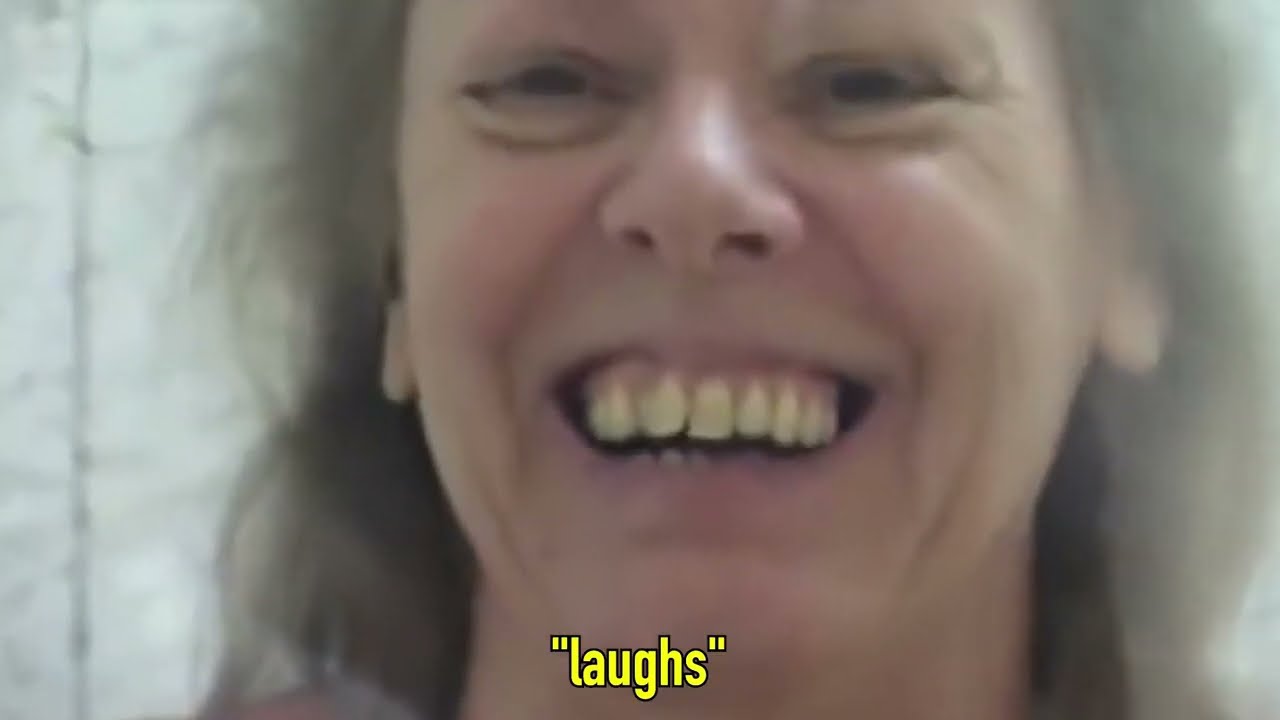
For her last meal, Wuornos requested a simple, ordinary prison meal rather than anything extravagant: a hamburger, french fries, and a soda. She ate little, her appetite diminished by the weight of the moment. Throughout the evening, she engaged in quiet reflection, praying and speaking with spiritual advisors. Witnesses noted moments of fear mixed with resignation — she welcomed death as an end to her suffering after more than a decade on death row.
The Execution
Early on the morning of October 9, Wuornos was prepared for execution. She declined a sedative, choosing to face the end with clarity. Strapped to the gurney in the execution chamber, she was surrounded by witnesses, including victims’ family members and media representatives.
In her final statement, Wuornos said: “I’d just like to say I’m sailing with the Rock, and I’ll be back like Independence Day with Jesus, June 6, like the movie. Big mother ship and all. I’ll be back.” The cryptic, almost delusional words reflected her mental state and lifelong struggles with reality.
At approximately 9:47 a.m., after the lethal injection drugs were administered, Aileen Wuornos was pronounced dead at age 46. She became the second woman executed in Florida since the reinstatement of the death penalty and the first female serial killer executed in the United States.
Legacy and Controversy
Wuornos’s story continues to captivate and divide. Supporters, including feminist advocates and mental health experts, view her as a product of systemic failures — childhood trauma, poverty, and a justice system ill-equipped to address the realities of survival sex work and abuse. Critics emphasize the brutality of her crimes, the premeditation involved, and the fear she instilled in Florida’s highways.
Her final 24 hours humanized a woman often reduced to a caricature. The fear, the search for redemption, and the ultimate acceptance of death painted a portrait far more nuanced than the sensational headlines. Her case raised enduring questions about the death penalty’s application to individuals with severe trauma histories, the role of mental illness in capital cases, and society’s willingness to execute women.
https://img.youtube.com/vi/6xVtagsWUz0/maxres2.jpg
Decades later, documentaries, books, and films like Monster (starring Charlize Theron) keep her story alive. For the families of her victims, the execution brought a measure of closure. For Wuornos herself, it ended a life defined by pain, violence, and survival.
As America continues to debate capital punishment, Aileen Wuornos’s final hours serve as a poignant reminder of the human cost on all sides — the victims, the condemned, and a society forced to confront uncomfortable truths about trauma, justice, and mercy.


