In a haunting final chapter, Stanley “Tookie” Williams, once a notorious figure in the world of gangs, faced his fate behind bars. As the clock ticked down on his life, the man who once led the Crips gang became a symbol of redemption for some and a figure of controversy for others.
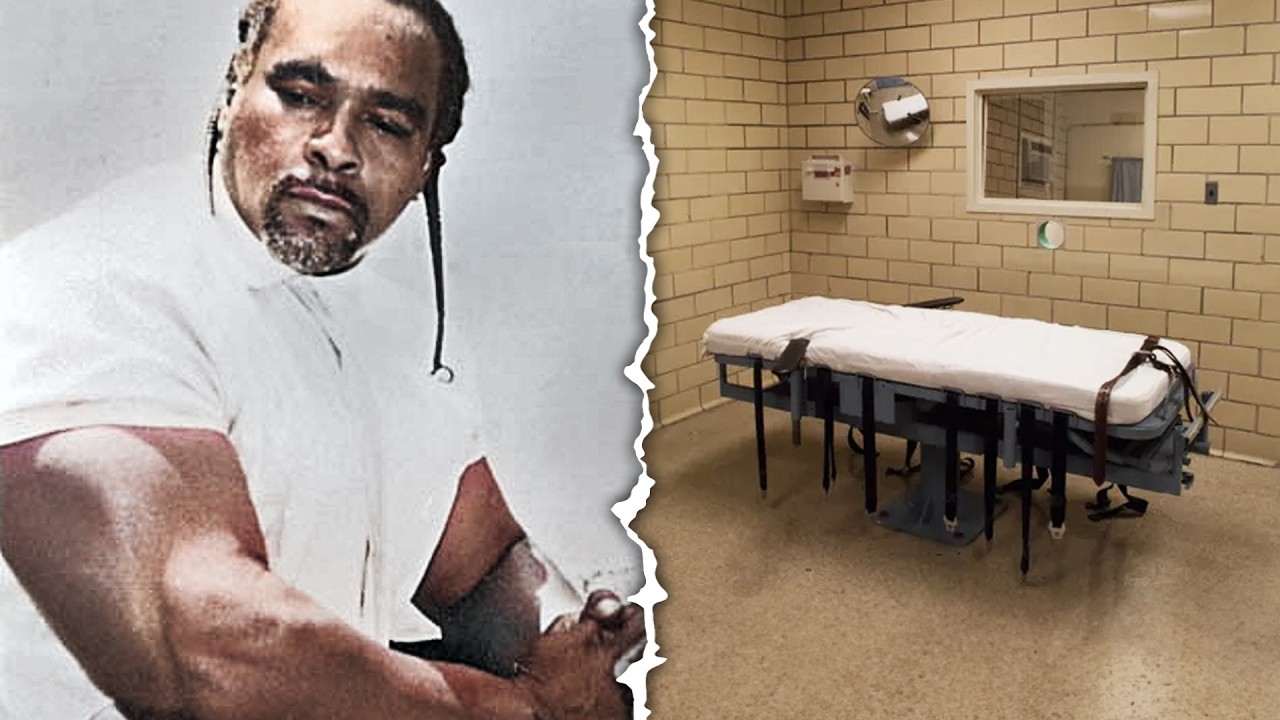 Williams, a convicted quadruple murderer, spent years on death row, transforming his life and advocating against gang violence. He authored children’s books and was even nominated for a Nobel Peace Prize, standing alongside figures like Desmond Tutu and Mother Teresa. But as midnight approached on that fateful day, his past loomed large, overshadowing his efforts to inspire change.
The grim narrative began in 1979 when Williams, under the influence of drugs, committed a series of violent crimes that would seal his fate. His actions led to the tragic deaths of multiple victims, including a young man and a Chinese immigrant family, all for a mere $100. Years later, as he awaited execution, the weight of his past was palpable.
On his final day, Williams had a routine breakfast of oatmeal and milk, a stark reminder of the uniformity of life on death row. His legal team fought tirelessly to present evidence of his transformation, arguing that his life experiences made him a credible voice against gang culture. However, opposition from law enforcement and victim advocates painted him as someone who had never truly renounced his past.

Complicating matters was his connection to former Governor Arnold Schwarzenegger, who had once crossed paths with Williams in Venice Beach during the 1970s. Despite their shared history, Schwarzenegger denied clemency, suggesting that Williams’ past actions overshadowed any potential for redemption.
Throughout the day, Williams remained composed, meeting with visitors, including a longtime friend who had been by his side for years. Although he declined a final meal, he found solace in letters from supporters around the world, many of whom were children expressing their prayers for him.

As the evening wore on, the atmosphere grew tense. Outside the prison, thousands gathered in protest, including celebrities and civil rights leaders, all advocating for a last-minute reprieve. Among them was Jesse Jackson, who criticized the execution as a political move rather than a pursuit of justice.
At 9:30 PM, Williams’ lawyers made one last attempt to save him, presenting a new witness who claimed that other inmates had tried to frame him. However, their appeal was swiftly denied, sealing his fate.

When the clock struck midnight, Williams was led to the execution chamber, where he lay down calmly as the process began. Witnesses described a tense atmosphere as medical staff struggled to find a vein for the lethal injection. In his final moments, he appeared restless but composed, mouthing words to his loved ones as the drugs coursed through his veins.
At 12:35 AM, the state of California announced his death, leaving behind a complex legacy that raises profound questions about justice and redemption. Was Stanley Williams truly redeemed, or did his past irrevocably define him? The debate continues, inviting reflection on the nature of forgiveness and the consequences of one’s actions.