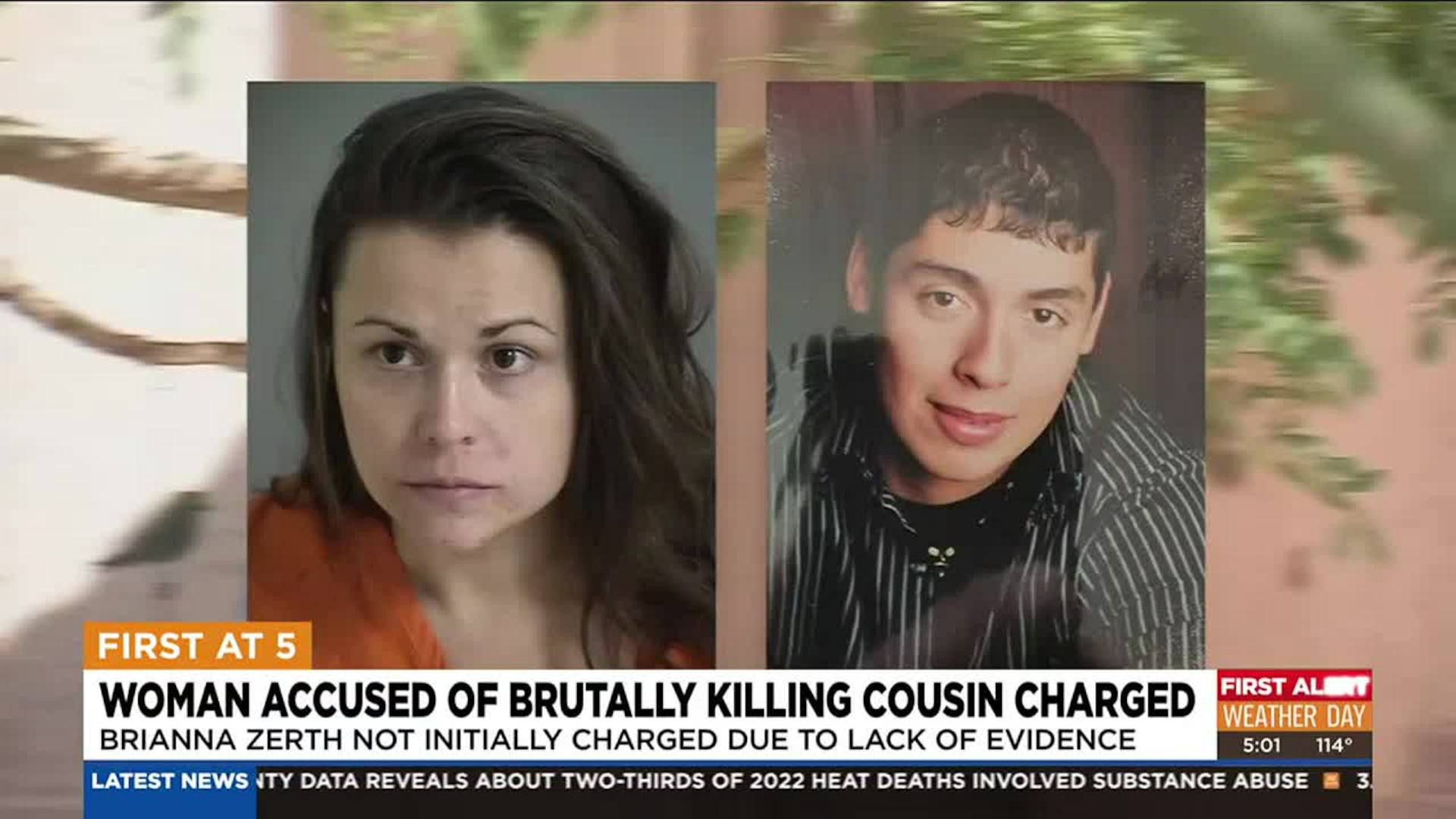
PEORIA, Arizona — A woman who used a claw hammer to beat her cousin to death and then attempted to clean the crime scene with a vacuum cleaner has been sentenced to more than two decades in prison.
Brianna Zerth, 33, was sentenced Friday to 21 years behind bars after pleading guilty to one count of domestic violence manslaughter in the death of her 33-year-old cousin, Peter McKenna Jr.
The killing occurred on May 4, 2022, at a home in Peoria. According to police reports and court records, Zerth and McKenna had been drinking late into the night when a violent argument broke out. Zerth later told investigators the details were “blurry,” claiming she woke up to discover McKenna dead on the floor in a large pool of blood.
However, the physical evidence told a much darker story. First responders found McKenna with multiple blunt-force trauma injuries consistent with being struck repeatedly by a hammer. Zerth reportedly covered his body with a jacket, tried to vacuum up the blood from the floor, and picked up broken glass so her young daughter wouldn’t step on it. She eventually called police, telling them McKenna was “stiff and cold to the touch.”
Zerth was initially charged with more serious offenses, including second-degree murder and tampering with evidence, but those charges were dropped as part of a plea agreement. She was credited with 1,056 days (nearly three years) already served while in custody.
The case drew significant attention due to the gruesome nature of the crime and Zerth’s alleged attempts to conceal it. Family members described the attack as particularly violent, and investigators noted the deliberate effort to clean the scene before contacting authorities.
During sentencing, the judge imposed the maximum term allowed for the manslaughter charge. Zerth will serve 21 years in prison. The plea deal spared her from facing life in prison on more serious murder charges.
The tragedy has left McKenna’s family devastated. Many are still struggling to understand how a night of drinking escalated into fatal violence. The case also highlights the dangers of alcohol-fueled domestic disputes and the long-term consequences for everyone involved.
As Zerth begins serving her sentence, the community continues to mourn Peter McKenna Jr., remembered by those who knew him as a kind individual whose life was cut short in a moment of rage.
This case serves as a grim reminder that domestic violence can escalate quickly, with devastating and irreversible results for families and communities.
What began as a confrontation between two teenagers inside a Texas high school bathroom ended in a tragedy that would leave a family grieving, a community shaken, and years of legal debate over self-defense, accountability, and justice.
On May 3, 2022, 18-year-old Jose Luis “Joe” Ramirez Jr. was involved in a fight with fellow Belton High School student Caysen Allison inside a school restroom in Belton, Texas. During the altercation, Allison pulled out a knife and stabbed Ramirez multiple times. Ramirez suffered severe wounds to his chest and other parts of his body and was rushed to a hospital, where he later died from his injuries.
According to investigators, Allison fled the campus immediately after the stabbing but was arrested a short time later. Police said he later admitted to stabbing Ramirez and directed officers to evidence connected to the case. Prosecutors subsequently charged him with murder.
As the investigation unfolded, testimony revealed that tensions between the two students had existed before the fatal encounter. Witnesses described an earlier disagreement that escalated into plans for a confrontation. However, accounts differed sharply regarding what happened inside the bathroom on the day of the stabbing.
When the case finally went to trial in 2025, prosecutors argued that Allison’s decision to bring and use a knife during a school fight resulted in the unnecessary death of another student. The defense, however, maintained that Allison acted in self-defense, claiming Ramirez initiated the physical confrontation and that Allison feared for his safety. Video footage and witness testimony became central pieces of evidence as jurors examined the events leading up to the stabbing.
After deliberating, the jury rejected the murder charge. Instead, jurors convicted Allison of criminally negligent homicide, a lesser offense under Texas law. The verdict immediately generated strong reactions. Some believed the jury carefully considered evidence suggesting Allison felt threatened, while others argued that the death of an unarmed teenager warranted a more serious conviction.
The legal proceedings did not end there. Prosecutors sought a deadly weapon enhancement based on the use of the knife. A judge ultimately agreed, significantly increasing the potential punishment Allison faced. In June 2025, he received a 10-year prison sentence, the maximum penalty available under the enhanced conviction.
For Ramirez’s family, the court proceedings could never undo the loss. Friends, classmates, and relatives have continued to remember Joe as a popular and well-liked young man whose future was cut short by a violent confrontation that lasted only moments. Community members gathered in the aftermath of his death to honor his memory and support those affected by the tragedy.
More than three years after the stabbing, the case remains one of Texas’s most discussed school violence incidents. Questions about self-defense, school safety, and how the justice system should handle deadly confrontations between teenagers continue to fuel debate.
At the center of that debate, however, remains a simple and painful fact: an 18-year-old student named Joe Ramirez Jr. never returned home from school that day, and his family continues to live with the consequences of that loss.
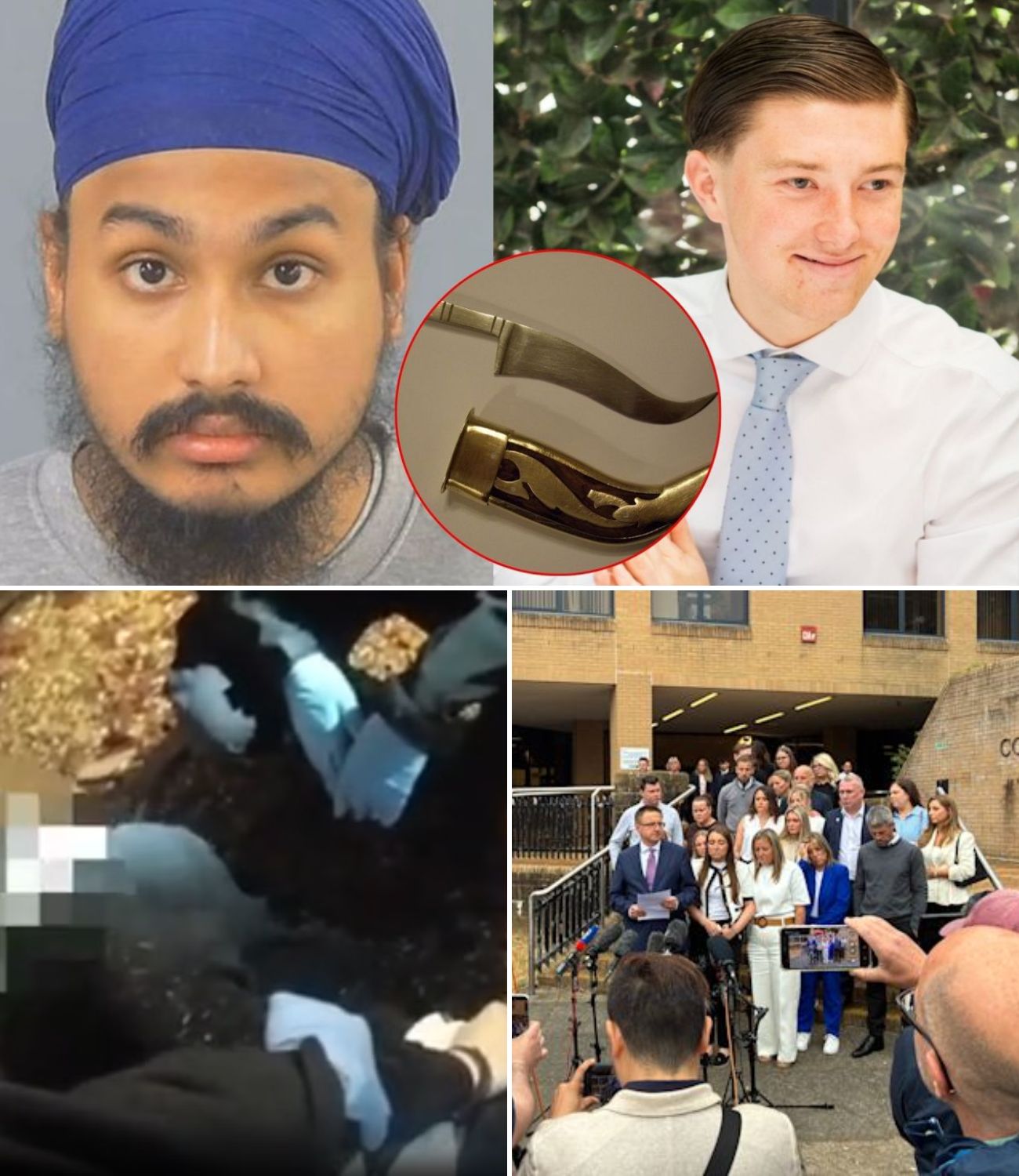
SOUTHAMPTON, UK — A man who claimed he carried a large knife for religious reasons has been found guilty of murdering an 18-year-old university student in Southampton.
Vickrum Digwa, 23, was convicted at Southampton Crown Court of the murder of Henry Nowak and possession of a bladed article in a public place. The jury rejected Digwa’s claim of self-defense after hearing evidence that he stabbed the teenager during a confrontation in the city.
The fatal incident occurred when Digwa and Nowak crossed paths. According to prosecutors, Digwa lied to arriving police officers, claiming that Nowak had racially abused him and knocked his turban off. Officers initially handcuffed Nowak based on Digwa’s account, only to discover moments later that the young student had suffered fatal stab wounds.
Digwa told the court that as a practicing Sikh, he carried the 21cm knife for religious protection. His legal team argued he acted in self-defense during the altercation. However, the prosecution presented evidence that contradicted his version of events, convincing the jury that Digwa was the aggressor.
Henry Nowak, an 18-year-old student with his whole life ahead of him, was remembered by friends and family as a kind, ambitious young man. His death has devastated his loved ones and sent shockwaves through the Southampton community.
Following the verdict, Digwa is due to be sentenced on Monday. He faces a mandatory life sentence for murder, with the judge expected to set a minimum term before parole eligibility.
The case has drawn attention to the ongoing issue of knife crime in the UK, particularly among young people. It also raises complex questions about the intersection of religious rights, self-defense claims, and public safety.
Detectives described the investigation as thorough, relying on witness testimony, CCTV evidence, and forensic analysis to piece together the sequence of events. The jury deliberated before delivering unanimous guilty verdicts on the main charges.
For Nowak’s family, the conviction brings a measure of justice, though nothing can return their son. Community leaders have used the case to call for stronger action against knife possession and better support for young people in conflict situations.
As sentencing approaches, the focus remains on the courtroom in Southampton, where a judge will decide how long Vickrum Digwa will spend behind bars for taking the life of a promising 18-year-old student.
The tragic death of Henry Nowak serves as a sobering reminder of how quickly a single violent encounter can destroy multiple lives and leave a lasting scar on an entire community.
BONNE TERRE, Missouri — Amber McLaughlin was executed by lethal injection Tuesday evening at the Potosi Correctional Center, becoming the first openly transgender person to be put to death in the United States.
McLaughlin, 49, was convicted in 2006 for the 2003 rape and murder of her ex-girlfriend, 45-year-old Beverly Guenther. According to court records, McLaughlin stabbed Guenther multiple times in a violent attack before dumping her body near the Mississippi River in St. Louis County. The brutality of the crime and the personal nature of the relationship shocked the community at the time.
After more than 20 years on death row, McLaughlin’s appeals — which centered on claims of severe mental health issues, childhood trauma, and questions about her gender identity in the context of prison treatment — were exhausted. The U.S. Supreme Court declined to intervene in her final appeal.
In her final statement before the execution, McLaughlin expressed remorse, apologizing to Guenther’s family and acknowledging the pain she had caused. She was accompanied by a spiritual advisor during her last moments.
The execution has drawn intense national and international attention, reigniting heated debates about the death penalty in America. Advocates for transgender rights argue that McLaughlin’s case highlights systemic issues in how the justice system handles mental health and gender identity, particularly for death row inmates. Opponents of capital punishment used the moment to call for a nationwide moratorium on executions, citing concerns about fairness and rehabilitation.
Missouri, one of the most active death penalty states in recent years, defended the execution as the fulfillment of justice for Beverly Guenther and her family. Guenther’s loved ones have expressed relief that the long legal process has finally concluded.
The case dates back to 2003 when McLaughlin, then presenting as male, was involved in a tumultuous relationship with Guenther. After the murder, McLaughlin was arrested and later convicted. During her time on death row, McLaughlin publicly transitioned and identified as a woman, making her case unique in the history of U.S. capital punishment.
Legal experts note that while gender identity did not play a direct role in the conviction, it became a significant factor in discussions about her treatment in prison and her appeals process.
As McLaughlin’s life ended inside the execution chamber, the broader conversation about capital punishment, mental health, and equality within the justice system continues. For the family of Beverly Guenther, the execution brings a painful chapter to a close after more than two decades of waiting.
EVERMAN, Texas — After more than three and a half years of agonizing uncertainty, authorities in Texas have recovered human remains believed to be those of 6-year-old Noel Rodriguez-Alvarez, offering a grim resolution to one of the state’s most heartbreaking missing children cases.
On May 13, 2026, investigators discovered remains at a residence in Everman that was previously rented by Noel’s family. Forensic experts, including dental record comparisons, have officially confirmed the child’s identity, according to officials.
Noel, who had developmental and medical challenges, was last seen in October 2022. His disappearance sparked an extensive search, but for years the case remained cold — until this major breakthrough.
The discovery comes just days after significant developments in the investigation. Noel’s mother, Cindy Rodriguez-Singh, was arrested in India after fleeing the country with her husband shortly following her son’s disappearance. She was extradited back to the United States and now faces capital murder charges in connection with Noel’s death.
The long and painful investigation has finally brought some answers to a community that waited years for the truth. While nothing can restore the innocent life taken, Noel’s family and the public now seek full accountability through the justice system.
Those who knew Noel remember him as a sweet, vulnerable child who faced unique challenges but was deeply loved by those around him. His disappearance left a void in the Everman community, with many residents and advocates continuing to push for answers even as the years passed.
The case took several dramatic turns. Cindy Rodriguez-Singh and her husband left the country, prompting an international search effort. Her eventual arrest and extradition marked a critical step forward for investigators.
Prosecutors have not yet released full details of the alleged crime, but the capital murder charges suggest they believe the evidence points to intentional harm. The remains were found at a property with a direct connection to the family, further strengthening the case.
For Noel’s extended family, the confirmation of his death brings a painful mixture of grief and relief. After years of not knowing what happened to the young boy, they can now begin the process of laying him to rest, though the emotional scars will remain.
The tragedy has also renewed conversations about child protection, the challenges faced by families with children who have special needs, and the effectiveness of systems designed to prevent such heartbreaking outcomes.
As the legal proceedings against Cindy Rodriguez-Singh move forward, the focus remains on seeking justice for a little boy whose life was cut far too short. Noel Rodriguez-Alvarez will be remembered not for how he died, but for the innocent, smiling child he was — a son, grandson, and community member whose light was extinguished too soon.
The discovery of his remains closes one painful chapter while opening another: the pursuit of full accountability in a case that has haunted Texas for more than three years.
Rest in peace, sweet Noel. Your name will not be forgotten.
SAN ANTONIO, Texas — In one of the most disturbing cases to emerge from Texas this year, 34-year-old Marlene Vidal is facing capital murder charges after authorities say she drove more than 240 miles from Edinburg with her two young children and deliberately set the vehicle on fire in a San Antonio warehouse parking lot.
The horrifying incident occurred in the early hours of the morning. A dog-walker called 911 after spotting the flames. When first responders arrived, they found Vidal standing near the burning car. Inside were her 7-year-old daughter and 5-year-old non-verbal autistic son. Both children died in the fire.
Surveillance footage and Vidal’s own statements to investigators played a critical role in her swift arrest. She made no attempt to flee the scene. The children’s father, who has not been publicly named, was reportedly unaware of their location and is said to be devastated by the loss.
The journey from Edinburg to San Antonio lasted several days, yet no missing persons reports were filed during that time. This detail has left many in the Rio Grande Valley community struggling to understand how the situation escalated without intervention.
Family members described Vidal as a quiet mother with no previous criminal record. However, one sister reportedly told investigators about a prior fire incident involving Vidal, though the details of that event remain unclear. Mental health experts believe severe psychological distress may have been a significant factor, though no official diagnosis or motive has been confirmed by authorities.
The tragedy has sent shockwaves through both Edinburg, where the family lived, and San Antonio, where the incident occurred. Vigils have been held for the two young victims, with many mourning the loss of innocent lives taken far too soon.
For the children’s father and extended family, the pain is unimaginable. Friends say the mother was often seen with her children, and the news has left the tight-knit community in mourning.
As the case moves forward, prosecutors are expected to focus on the deliberate nature of the act, while Vidal’s defense team is likely to explore issues of mental health. Capital murder charges in Texas carry the possibility of the death penalty or life without parole.
The Marlene Vidal case has reignited difficult conversations about maternal mental health, the warning signs of crisis, and the challenges families face when support systems fail to intervene in time.
For now, two small children who should have been protected by the person they trusted most are gone. Their mother stands accused of taking their lives in an act that continues to baffle and horrify those who knew the family.
The search for answers — about what led to that dark morning in San Antonio and why no one saw the warning signs — is only beginning.
La figura de Lola Flores sigue muy presente en la vida cultural y emocional de España, incluso décadas después de su fallecimiento. Conocida por su talento, su personalidad arrolladora y el profundo amor que sentía por los suyos, “La Faraona” dejó una huella imborrable no solo en los escenarios, sino también en el corazón de su familia.
Recientemente, su hija, Lolita Flores, emocionó al público al compartir uno de los recuerdos más personales relacionados con su madre. Durante una intervención cargada de sentimientos, la artista habló sobre un deseo que Lola expresó mucho antes de su partida y que, con el paso de los años, ha adquirido un significado aún más profundo para todos los miembros de la familia Flores.
Según explicó Lolita, su madre tenía muy claro cómo quería que se preservara la unión familiar. Lejos de centrarse en cuestiones materiales o en el legado artístico que la convirtió en una leyenda, Lola pensó en algo mucho más sencillo y humano: permanecer junto a los suyos para siempre.
La cantante y actriz recordó que Lola Flores había elegido con antelación el lugar donde deseaba que descansaran los miembros de la familia. Se trataba de una decisión tomada con serenidad y naturalidad, reflejo de la manera en que siempre afrontó los momentos importantes de su vida.
Para Lolita, revivir aquella conversación fue especialmente emotivo. Mientras relataba la historia, alternó sonrisas y lágrimas, dejando ver la mezcla de nostalgia y cariño que aún siente cuando habla de su madre. Sus palabras conectaron rápidamente con el público, que pudo reconocer en ese relato una realidad compartida por muchas familias: el deseo de permanecer unidos más allá del tiempo.
Quienes conocieron a Lola Flores destacan que la familia ocupaba un lugar central en su vida. A pesar de una carrera llena de éxitos, giras, grabaciones y apariciones públicas, siempre procuró mantener una relación cercana con sus hijos y transmitirles valores como la lealtad, la unión y el respeto mutuo.
Ese espíritu familiar continúa siendo una de las señas de identidad de la saga Flores. A lo largo de los años, sus miembros han hablado en numerosas ocasiones del papel fundamental que Lola desempeñó como madre y como referente emocional dentro del hogar.
Durante su intervención, Lolita también recordó algunos rasgos de la personalidad de su madre que siguen vivos en la memoria colectiva. Su carácter fuerte, su sentido del humor y su capacidad para afrontar las dificultades con determinación fueron algunas de las cualidades que la convirtieron en una figura admirada por varias generaciones.
El relato no tardó en generar reacciones entre seguidores y admiradores de la familia. Muchos destacaron la sensibilidad de las palabras de Lolita y el valor de compartir recuerdos tan personales con el público. Otros señalaron que historias como esta permiten descubrir una faceta más íntima de una mujer que durante décadas fue conocida principalmente por su faceta artística.
Más allá de la emoción del momento, el recuerdo compartido por Lolita pone de manifiesto una idea universal: el deseo de los padres de proteger y mantener unidos a sus hijos incluso cuando ya no están presentes. En el caso de Lola Flores, ese sentimiento quedó reflejado en una petición sencilla pero profundamente significativa.
Con el paso de los años, la artista continúa siendo una referencia imprescindible de la cultura española. Sin embargo, para sus hijos y nietos, su legado más importante no se encuentra únicamente en sus canciones, películas o actuaciones, sino también en las enseñanzas y los valores que transmitió a su familia.
Las palabras de Lolita han servido para recordar que detrás del personaje público existía una madre profundamente comprometida con los suyos. Una mujer que, incluso al pensar en el futuro, quiso dejar un mensaje de unidad y amor familiar.
Por eso, la historia compartida recientemente ha emocionado a tantas personas. No se trata únicamente del recuerdo de una gran artista, sino del testimonio de una madre que soñó con mantener a su familia unida para siempre.
Y, a juzgar por el cariño con el que sus hijos siguen hablando de ella, ese deseo continúa vivo muchos años después.
Madrid, junio de 2026 – La gala de Supervivientes 2026 dejó más tensión de la esperada. Aunque la expulsión de Aratz era uno de los puntos principales de la noche, la verdadera atención se la llevaron Claudia Chacón y Alba Paul, quienes protagonizaron un fuerte cruce de acusaciones en directo.
Lo que comenzó como un debate sobre las dinámicas del concurso terminó convirtiéndose en un enfrentamiento personal. Ambas concursantes sacaron a relucir reproches acumulados durante las semanas de convivencia en Honduras. Frases como “Siempre has buscado bulla” encendieron aún más los ánimos y dejaron claro que las diferencias entre ellas son profundas.
Los presentadores intentaron reconducir la conversación, pero el nivel de intensidad emocional hizo que el momento se volviera viral en cuestión de minutos. En redes sociales, miles de seguidores tomaron partido de inmediato, creando dos bandos bien definidos.
Este incidente pone de manifiesto la enorme presión que viven los concursantes en las últimas semanas del reality. Después de casi 100 días de convivencia extrema, las emociones están a flor de piel y cualquier comentario puede desencadenar un conflicto de gran magnitud.
Fuentes cercanas al programa indican que la rivalidad entre Claudia y Alba Paul no es nueva, pero nunca había llegado a un punto tan visible y explícito delante de las cámaras. Este enfrentamiento podría influir en el ambiente de la final y en la percepción del público hacia ambas concursantes.
Mientras algunos espectadores celebran que se muestren “auténticas”, otros lamentan que los conflictos personales eclipsen el aspecto deportivo y de superación del concurso.
Lo ocurrido en la gala confirma que, aunque queda poco para la final, Supervivientes 2026 sigue siendo una de las ediciones más cargadas de emoción, tensión y drama de los últimos años.
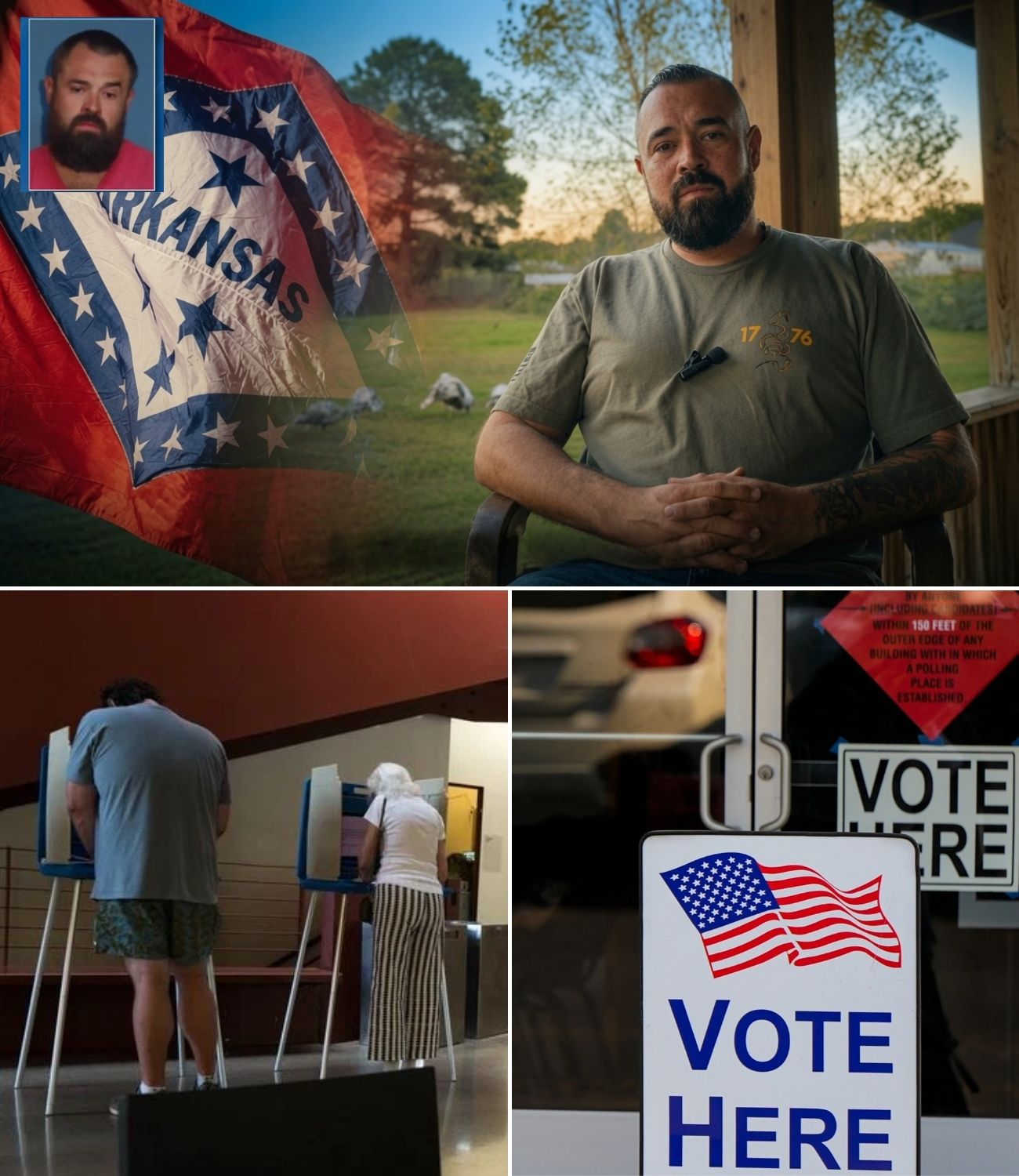
LONOKE COUNTY, Arkansas — A high-profile murder case that captured national attention has come to a sudden and dramatic end.
On Thursday, a judge dismissed all second-degree murder charges against Aaron Spencer, a U.S. Army veteran and the Republican nominee for Lonoke County Sheriff. Spencer had been accused of shooting and killing 67-year-old Michael Fosler in October 2024.
According to court documents and statements from Spencer’s legal team, the incident occurred after Spencer discovered his then-13-year-old daughter missing from her bedroom. He later found her in the passenger seat of a truck driven by Fosler — a registered sex offender who was already facing dozens of felony charges, including the rape of Spencer’s daughter.
Spencer forced the truck off the road, leading to a confrontation. He admitted to shooting Fosler, stating he acted to protect his child from further harm.
The turning point in the case came when it was revealed that the Lonoke County Sheriff’s Office had lost a critical dashcam memory card from Fosler’s truck. The footage, which could have shown the exact sequence of events during the altercation, was never properly preserved. Judge Ralph Wilson ruled that the loss of this evidence was so egregious that it violated Spencer’s constitutional due process rights, resulting in the complete dismissal of the charges.
Spencer’s attorneys hailed the decision as justice served, while prosecutors expressed disappointment but acknowledged the fatal flaw in their case.
The dismissal allows Spencer to fully focus on his campaign for sheriff. He won the Republican primary earlier this year while awaiting trial, a fact that drew both praise and criticism from across the state.
The case had deeply divided the community. Many viewed Spencer as a protective father who took desperate action to save his daughter. Others argued that no one should take the law into their own hands, regardless of the circumstances.
Fosler’s death occurred while he was out on bond facing serious sexual abuse charges. The loss of the dashcam footage — which authorities admitted should have been secured immediately — became the decisive factor that ended the prosecution.
In a statement following the dismissal, Spencer expressed relief and gratitude to his supporters. His wife described the outcome as “a miracle,” noting the immense stress the family had endured.
The case has sparked renewed conversations about parental rights, failures in the justice system to protect child victims, and the importance of preserving evidence in criminal investigations.
For now, Aaron Spencer is a free man and the Republican candidate for Lonoke County Sheriff. The tragic events of October 2024 have left lasting scars, but for Spencer and his family, Thursday’s ruling represents a hard-fought victory after months of uncertainty.
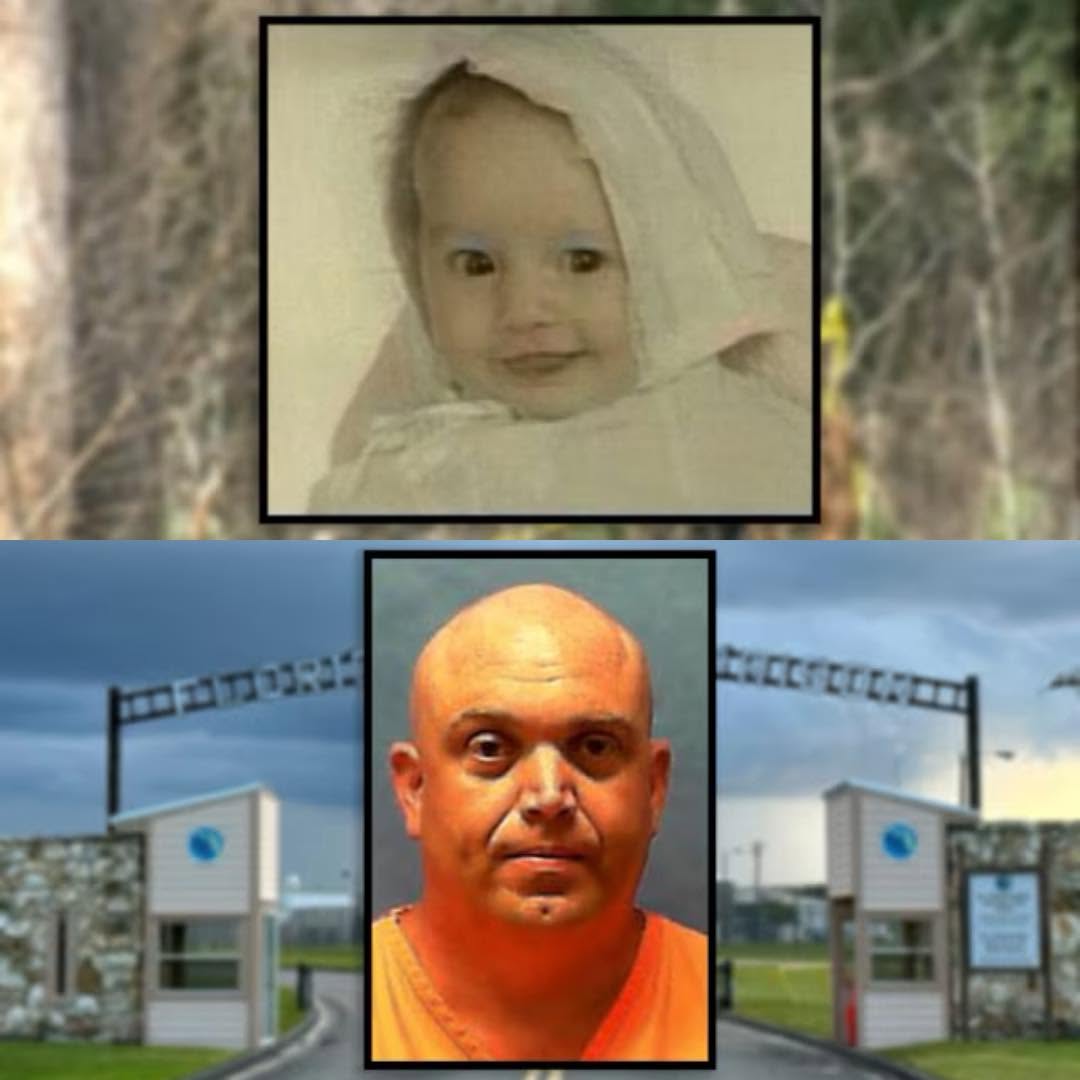
Andrew Lukehart’s Florida Department of Corrections mughot (Curt Anderson, Copyright 2025 The Associated Press. All rights reserved.)
This story includes references to child abuse. Read with care.
RAIFORD, Fla. – A Jacksonville man who confessed to killing his girlfriend’s 5-month-old daughter and throwing her body in a pond three decades ago was executed on Tuesday evening.
Andrew Richard Lukehart, 53, received a three-drug injection starting at 6 p.m. at Florida State Prison near Starke.
He was sentenced to death after being convicted of aggravated child abuse and felony murder in the death of Gabrielle Hanshaw. The baby’s mother told News4JAX she plans to attend the execution.
Hanshaw’s mother attended the execution but declined to share a statement.
According to court records, Lukehart was watching his girlfriend’s baby in February 1996 while his girlfriend was caring for her older daughter, who had been ill.
The girlfriend said that she heard Lukehart driving away from their Jacksonville home in her car, and then she couldn’t find baby Gabrielle.
Gabrielle Hanshaw was killed at 5 months old in 1996 (WJXT Archives)
Lukehart called his girlfriend about 30 minutes later and told her to call police because the baby had been kidnapped and he was chasing the kidnapper.
Later that evening, Lukehart was found in a neighboring county after driving his car off the road.
During questioning the next day, Lukehart admitted to investigators that the kidnapping story was a lie and that Gabrielle was dead.
He said, at first, that she died after he dropped her on her head and then shook her. He told police that he panicked and threw the baby in a pond.
Law enforcement officers searched the pond and found the child’s body.
Investigators search for 5-month-old Gabrielle Hanshaw (WJXT Archives)
The medical examiner said Gabrielle had suffered five blows to the head, including two that caused skull fractures.
In his final appeals, Lukehart’s attorneys claimed that the medication he was taking for kidney disease could have a negative reaction with the lethal injection drugs. They also argued that having only a month between the signing of Lukehart’s death warrant and the execution deprived him of his due process.
The Florida Supreme Court denied those appeals last week, and the U.S. Supreme Court denied Lukehart’s final appeal on Monday.
Protestors on site
People who were against Lukehart’s execution gathered on Tuesday to protest his death. In a statement after Lukehart’s death, the group, Floridians for Alternatives to the Death Penalty, emphasized the lasting grief that Hanshaw’s family would experience while criticizing the death penalty.
Protestors outside Florida State Prison in Raiford (WJXT)
Protestors outside Florida State Prison in Raiford (WJXT)
Tonight, We, the People of the State of Florida, executed Andrew Lukehart. His murder of five-month-old Gabrielle Hanshaw was horrific, and it remains an open wound for her family and loved ones. Indeed, the loss of a child is always tragic. We mourn for Gabrielle, and we lament the circumstances that led to her death.
Today, news stories will recount the facts of Gabrielle’s death in graphic detail. They will explain how she died and how Andrew killed her. But those facts are not suddenly more important today than they were yesterday. Andrew has been incarcerated for nearly three decades. Had he received a life sentence rather than a death sentence, there would be no statewide media coverage, no breaking news alerts, and no public debate about whether he deserved to live or die. He would have remained in prison until his natural death, largely forgotten by the public.
Gabrielle’s family could have spent the intervening years cherishing who she was, how much she was loved, and who she could have been. Instead, Andrew’s death sentence has repeatedly dragged them back to the tragedy that took her life. This is just one of the many cruelties of the death penalty.
It is impossible to meaningfully talk about Gabrielle’s death without also talking about the life of Andrew Lukehart. Andrew’s own life had been shaped by years of violence, abuse, neglect, and disregard for his humanity. Recognizing that reality does not diminish the loss of Gabrielle Hanshaw. It helps explain how such a tragedy became possible in the first place.
What Andrew did when he was 22 years old was a tragedy. It was also the act of a profoundly damaged young man who had grown up surrounded by severe physical and sexual abuse, violence, instability, intellectual limitations, and untreated trauma. Long before Gabrielle’s death, Andrew struggled with depression, hopelessness, and a deep sense of worthlessness rooted in the very people who were supposed to love and protect him. His frustrated actions were those of a person who was ill-equipped to manage an infant and incapable of handling the profound responsibility of caring for a child.
Overcome with guilt, despair, and horror at what he had done, he attempted to take his own life by driving his vehicle into a tree. Officers placed him under Florida’s Baker Act. Then, Andrew led law enforcement to Gabrielle’s body and acknowledged responsibility for her death. When the case went to trial, he testified that although he did not intend to kill Gabrielle, he alone was to blame.
During his trial, jurors heard the details of this crime and weighed them against the reality of Andrew’s life leading up to his actions in 1996. Three of them concluded that he could be held accountable and safely housed in prison for the rest of his life. They believed that death was not necessary. Those jurors were right.
Over the course of his 26 years on death row, Andrew settled into the rhythmic routine of prison life. And, over the past 18 months, he watched as Florida’s pace of executions accelerated and man after man was taken from the wing and executed. When his own death warrant was signed, Andrew turned to the men around him and thanked them for being his friends. He then called his beloved aunt, knowing the news of his impending death would break her heart, and assured her that he was going to be okay.
Andrew formed deep and meaningful relationships with the religious volunteers who walked alongside him during his years on death row. His Catholic faith was a constant source of strength, comfort, and dignity, and the guidance of his spiritual advisors sustained him as he faced the reality of his execution. In his final moments, as the State carried out its sentence, his priest stood beside him, laid hands on him, and prayed.
In this case, the death penalty is equivalent to closing the barn door after the horse has already left. Andrew spent decades in prison. He no longer posed a threat to anyone. Accountability had been achieved. The State of Florida had another option available to it. Instead, another tragedy has been added to a story that already contained far too much suffering.
Statement from Floridians for Alternatives to the Death Penalty
Executions in Florida
This would be Florida’s eighth execution so far this year, following a record 19 executions in 2025. Republican Gov. Ron DeSantis oversaw more executions in a single year in 2025 than any other Florida governor since the death penalty was reinstated in 1976. The previous record was set in 2014 with eight executions.
A total of 47 people were executed in the U.S. in 2025. Florida led the way with a flurry of death warrants signed by DeSantis. Alabama, South Carolina and Texas tied for second with five executions each.
Another execution is planned in Florida later this month. Dusty Ray Spencer, 74, was convicted of fatally stabbing his wife in 1992.
All Florida executions are carried out via lethal injection of a sedative, a paralytic and a drug that stops the heart, according to the Department of Corrections.






 d to arriving police officers, claiming that Nowak had racially abused him and knocked his turban off. Officers initially handcuffed Nowak based on Digwa’s account, only to discover moments later that the young student had suffered fatal stab wounds.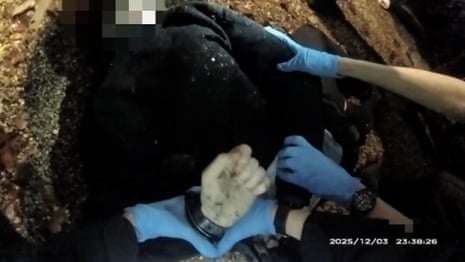

















 s semanas del reality. Después de casi 100 días de convivencia extrema, las emociones están a flor de piel y cualquier comentario puede desencadenar un conflicto de gran magnitud.