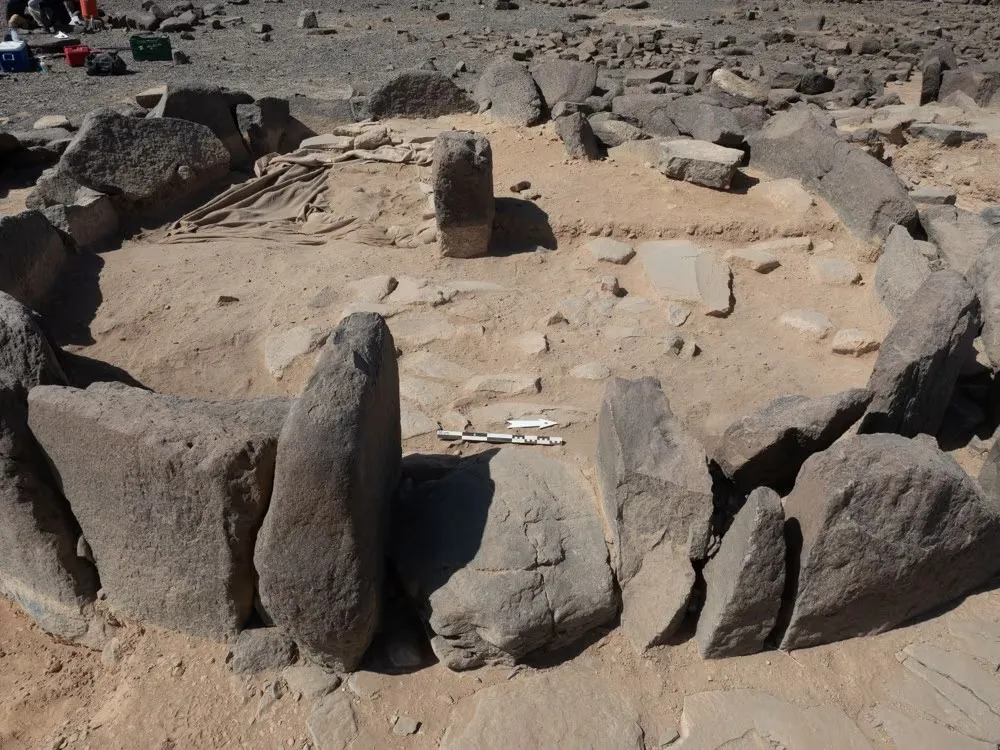
Scattered across the vast and isolated Eastern Desert of Sudan and Egypt are hundreds of circular stone monuments that have survived for more than five millennia. From a distance, many appear to be simple rings of stones arranged on barren ground. Yet archaeological investigation has revealed that these structures were far more important than their modest appearance suggests. Known as enclosure burials, they were communal tombs built by mobile pastoral communities between the 5th and 3rd millennia BC.
The people who constructed them did not live in permanent cities or farming villages. They moved with their animals through an environment shaped by seasonal rainfall, limited water sources, and changing areas of pasture. Their lives depended on mobility. Cattle, sheep, and goats provided food, materials, wealth, and social identity, while survival required detailed knowledge of desert routes and temporary grazing zones.
This makes the stone monuments particularly fascinating. Mobile communities generally carried only what they needed, yet these herders gathered heavy stones, organized labor, selected burial locations, and created structures intended to remain in the landscape long after they had moved on. The monuments suggest that even societies without permanent settlements could possess deep attachments to specific places.
An enclosure burial usually consisted of a circular or oval stone boundary surrounding one or more graves. Some were relatively small, while others formed larger and more complex arrangements. The stone rings marked the burial area clearly, separating the dead from the surrounding desert while also making the location visible to future travelers.
Archaeologists believe many of the monuments served as collective burial places rather than individual tombs. Different members of a community may have been buried there over time, transforming the site into a physical record of ancestry. Each new burial could reinforce the group’s connection to the land and to previous generations.
The Eastern Desert may appear empty today, but during parts of prehistory its climate was different. Rainfall was more frequent, and areas that are now extremely dry could support seasonal vegetation and wildlife. Rivers, springs, and temporary pools allowed pastoral groups to move through the region with their herds.
As conditions gradually became drier, access to water grew more important. The placement of burial monuments may therefore have been connected to important routes, wells, grazing grounds, or meeting places. A stone enclosure could mark not only a cemetery but also a location tied to memory, territory, and survival.
Because these communities moved frequently, they left fewer traces than settled agricultural societies. Houses made from lightweight materials could disappear quickly, and temporary campsites might leave only scattered pottery, tools, hearths, or animal bones. Stone burial monuments, however, endured. They became some of the clearest surviving evidence of the people who crossed these deserts thousands of years ago.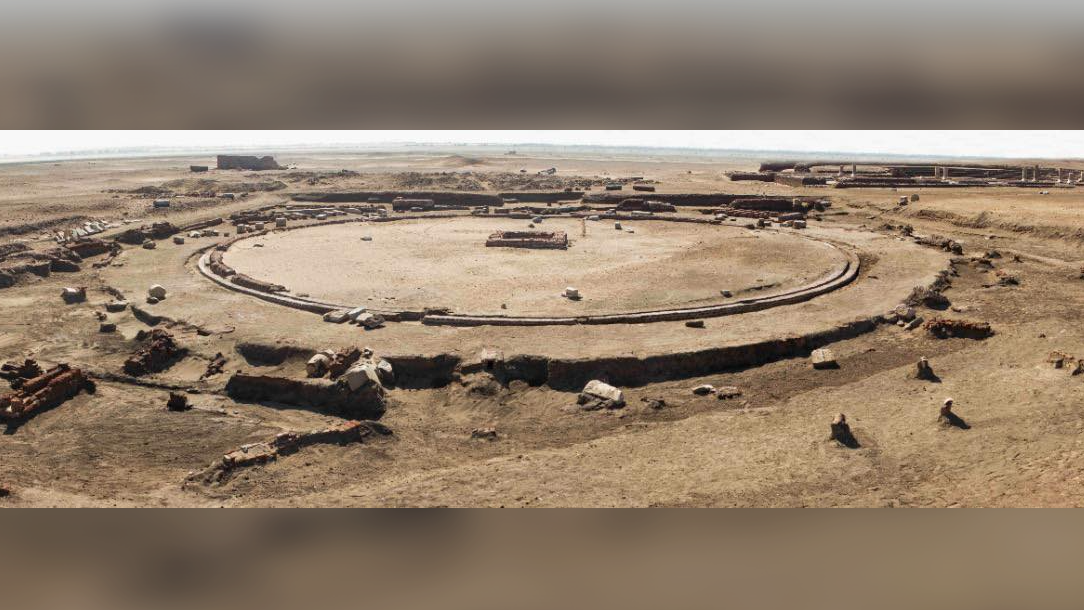
The burials also reveal that mobility did not mean cultural simplicity. Constructing a monument required planning, cooperation, and shared beliefs. Community members had to decide where to place the dead, how the structure should be built, and who would participate in the ceremony. These choices suggest organized social relationships and established traditions.
The circular shape may also have carried symbolic meaning. Circles appear frequently in ancient monuments because they can represent unity, protection, continuity, or the movement of the sun and seasons. However, without written records, archaeologists cannot know exactly what the shape meant to the builders.
The monuments may have helped connect communities that were regularly separated by distance. Families and herding groups could return to the same cemetery during seasonal movements, bringing together people who had traveled across different parts of the desert. Funerals may have served as occasions for exchange, marriage arrangements, negotiation, ritual, and the renewal of social bonds.
The dead themselves may have played an active role in the identity of the living. Ancestors could symbolize claims to territory, water, and grazing land. By burying generations in a visible monument, a community created evidence that its relationship with the landscape extended into the past.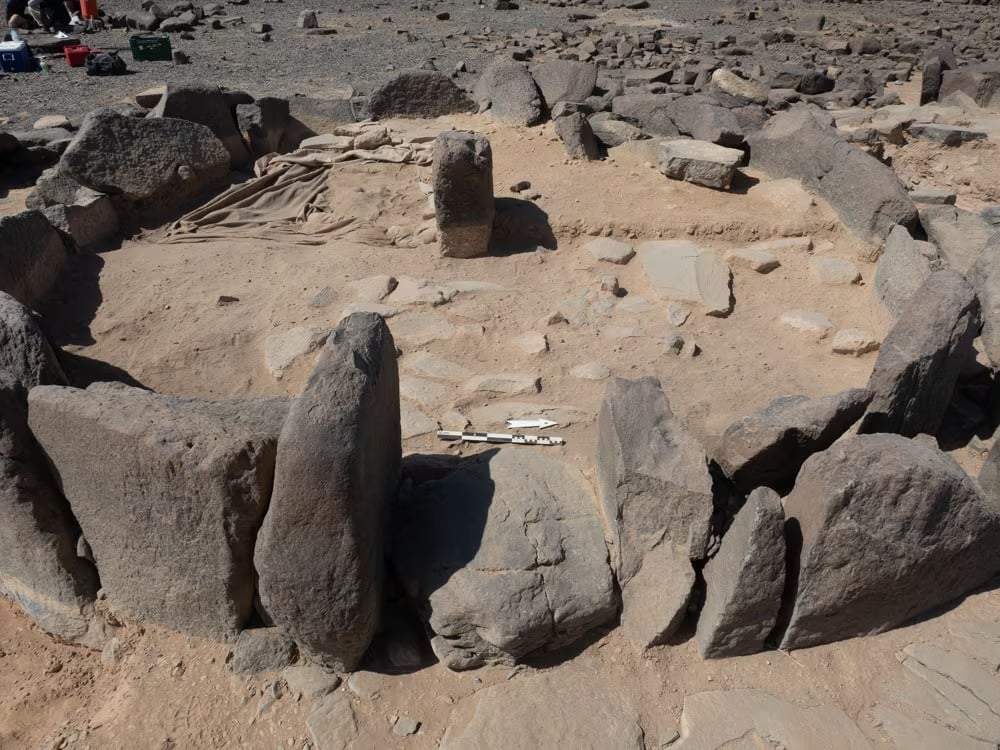
Archaeologists studying enclosure burials examine more than the stone walls. Human remains can provide information about age, health, diet, injury, and biological relationships. Animal bones may reveal the importance of livestock, while beads, pottery, tools, and personal ornaments can offer clues about trade and social status.
These materials also show that desert communities were not completely isolated. The Eastern Desert connected the Nile Valley, the Red Sea region, northeastern Africa, and areas farther south. People, livestock, raw materials, and ideas could move along these routes long before the rise of the famous kingdoms of Egypt and Nubia.
The monuments therefore belong to a wider story of early mobility and cultural exchange. They were built during a period when communities were adapting to environmental change and developing new relationships with domesticated animals. Pastoralism allowed people to live in regions unsuitable for intensive farming, but it also required social cooperation and flexible movement.
Modern technology is helping researchers locate and study more of these sites. Satellite imagery and aerial surveys can reveal circular patterns that are difficult to recognize from ground level. Digital mapping allows archaeologists to compare the placement of monuments with ancient waterways, mountain passes, and possible migration routes.
Yet many questions remain unanswered. Were all members of a community buried inside the enclosures, or only selected individuals? Did larger monuments belong to powerful families? Were the cemeteries used continuously or only during certain seasons? Did each stone circle represent one group, or were they shared by several communities?
There is also the question of ritual. Bodies may have been placed in particular positions, accompanied by objects, or revisited after burial. Some graves may have been reopened to add new individuals. Such practices could indicate beliefs in an afterlife, ancestor protection, or the continued presence of the dead within the community.
What is clear is that these monuments were not random piles of stone. They represented deliberate and meaningful investments in memory. Their builders lived mobile lives, yet they created permanent places for the dead.
More than 5,000 years later, the stone circles remain visible against the desert. The camps, pathways, voices, and herds of their creators have vanished, but the burial enclosures continue to mark the landscape.
They remind us that ancient history was not written only by kings, cities, and monumental temples. It was also shaped by herders who followed the rains, cared for their animals, honored their ancestors, and built stone circles so that certain places—and certain people—would never be entirely forgotten.