The first time I saw Vivian Aldridge, everyone in the room was looking at what she had lost. I was the only person who noticed what she still had. It happened at a charity gala in Vancouver, the kind of event where wealthy people gathered under expensive lights to talk about helping others. I had spent most of my life in rooms like that, listening to conversations about investments, foundations, and reputation. I knew how people behaved when they wanted to appear generous. But that night, I heard something different. A man at the end of the table looked toward Vivian, who was sitting in the accessible seating area with her right arm supported by a brace, and casually said, “She can barely hold a fork properly. Why is she even here?” The room became silent. People heard him. Some looked uncomfortable. But nobody moved. Nobody said anything. I had built my company by making difficult decisions, but my mother had taught me something more important: silence at the wrong moment is its own kind of cowardice.
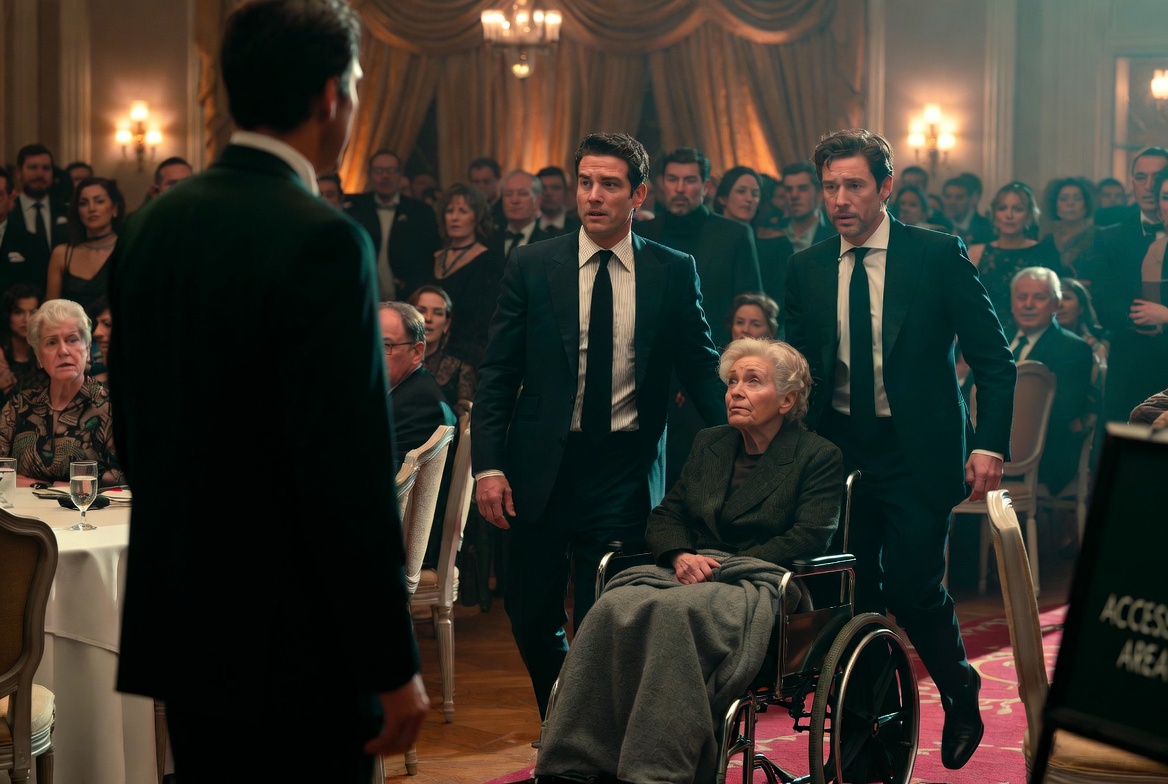
I stood up and walked across the room. I did not confront the man. I did not make a scene. I simply stopped beside Vivian and said quietly, “I think they moved the keynote to the East Terrace. Do you want to get out of here?” She looked up at me carefully. I could tell she was trying to understand my intention. She had probably experienced too many people who offered help because they wanted to feel needed, not because they actually respected her. After a moment, she agreed. I walked beside her, not behind her, not pushing her wheelchair, not treating her like someone who needed to be rescued. Outside, away from the noise and judgment, she finally relaxed. Her name was Vivian Aldridge. She was thirty-eight years old and had once been one of Vancouver’s most respected reconstructive surgeons. Two years earlier, a surgical accident damaged the nerves in her right hand and ended the career she had spent a decade building. She did not talk about it dramatically. She simply said, “I can’t operate anymore.” But the way she said it told me she had repeated those words thousands of times.

Most people apologized when they heard her story. Vivian hated that. “People keep saying they’re sorry,” she told me. “But they don’t know what they’re sorry for.” I understood what she meant. They were not seeing her. They were seeing the accident, the wheelchair, the hand that no longer worked the way it once did. So instead of talking about what she lost, we talked about everything else. We talked about medical research, environmental projects, terrible event food, and the fact that the charity gala had somehow run out of the best drinks before half the guests arrived. Later that night, I invited her to get food from a small truck near the bridge. I expected her to say no. Instead, she showed up. We sat outside in the cold with paper containers of poutine between us, and I watched something change. She was not the woman from the gala who had been silently judged. She was funny, intelligent, stubborn, and completely herself. When a gust of wind knocked her napkin into her lap, she caught it with her left hand and laughed. “Twelve months of occupational therapy,” she explained. “You learn things.” Then she said something I never forgot: “Your non-dominant hand is far more capable than you ever give it credit for.”
After that night, Vivian slowly became part of my life. It was never planned. It was never some dramatic moment where everything changed instantly. It was coffee after her rehabilitation appointments, weekend walks through farmers markets, and long conversations where I realized I had never met someone who listened the way she did. She remembered details from conversations weeks earlier. She asked questions that made me think before answering. She had lost something enormous, but she had not allowed that loss to define her. I admired that more than I could explain. I was used to people wanting something from me because of my company, my money, or my reputation. Vivian did not care about any of that. She cared about who I was when nobody was watching.
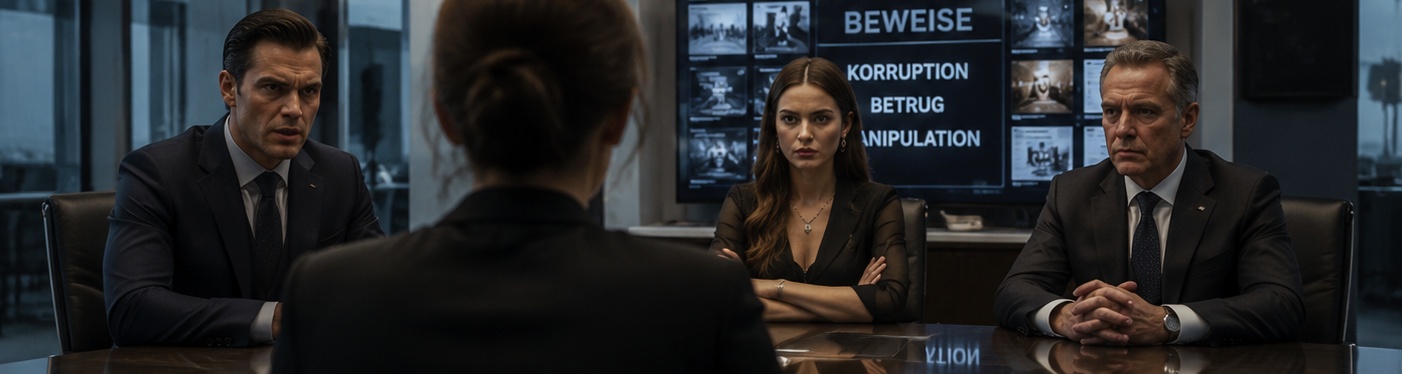
Then suddenly, she disappeared. My messages went unanswered. She stopped coming to the places we had shared. After eleven days, she finally sent me a message saying she needed distance and did not think our relationship was a good idea. I read it several times because it did not sound like her. Vivian was careful with words. She did not make decisions without reasons. I tried to respect her choice, but something felt wrong. Later, I discovered the truth. Her mother, Margaret, had been interfering. She had contacted my company pretending to be a journalist, trying to create problems for me. She believed she was protecting Vivian. She believed that after losing her career, Vivian needed a carefully controlled future, not someone like me complicating it. The problem was that Vivian was not asking anyone to protect her. She was asking to live.
When Vivian finally explained what happened, I understood why she needed time. She had spent two years fighting to regain control over her own life, and suddenly her own family was trying to take that control away again. I told her I was not angry that she needed space. I was hurt that she carried the burden alone. She looked at me and admitted she should have come to me sooner. That moment mattered because trust is not built when everything is easy. Trust is built when someone shows you the parts of themselves they are afraid you will reject.
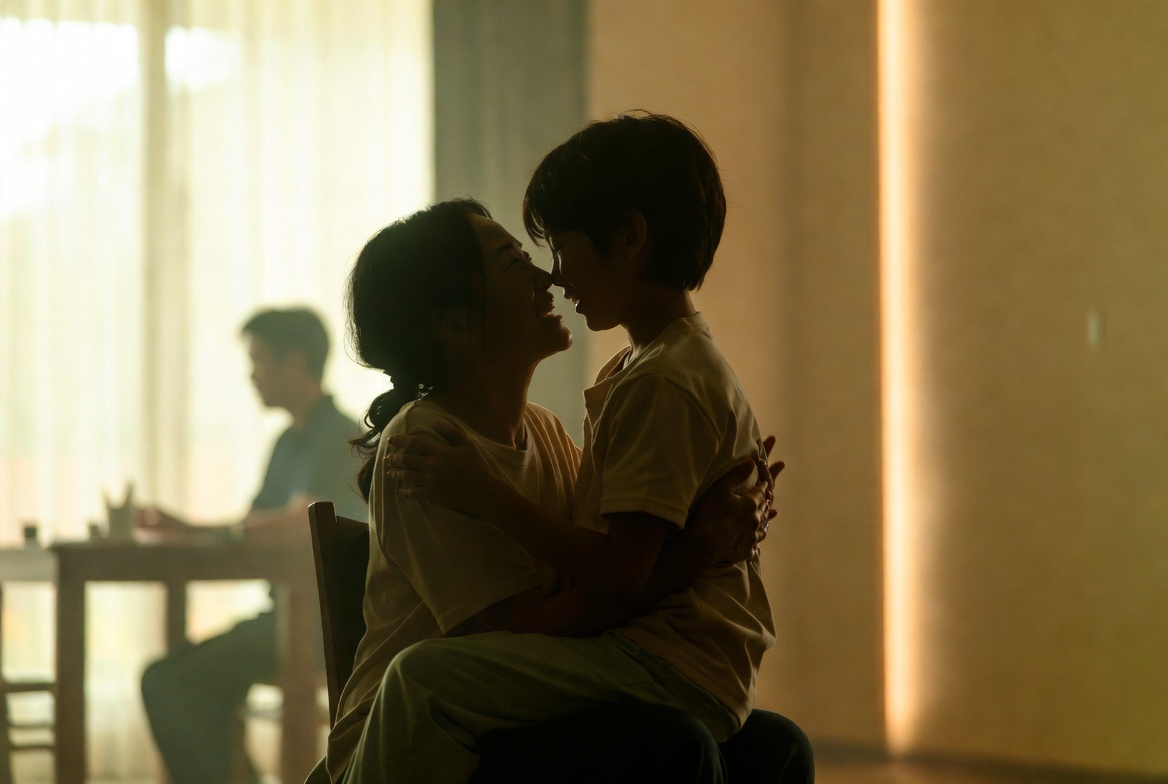
Meeting Margaret was not easy. She was a powerful woman who had spent decades as a Crown Attorney, and she examined every word I said like evidence in a courtroom. She told me Vivian had already lost so much and that she worried I would become another complication in her life. I understood her fear, but I also told her something important. Vivian was not fragile. She was not a problem to manage. She was a person who deserved the right to choose her own future. For the first time, Margaret became quiet. She admitted that after the accident, she had been terrified of losing her daughter again. Her control came from fear, not cruelty. Understanding that did not erase what she had done, but it allowed everyone to move forward.
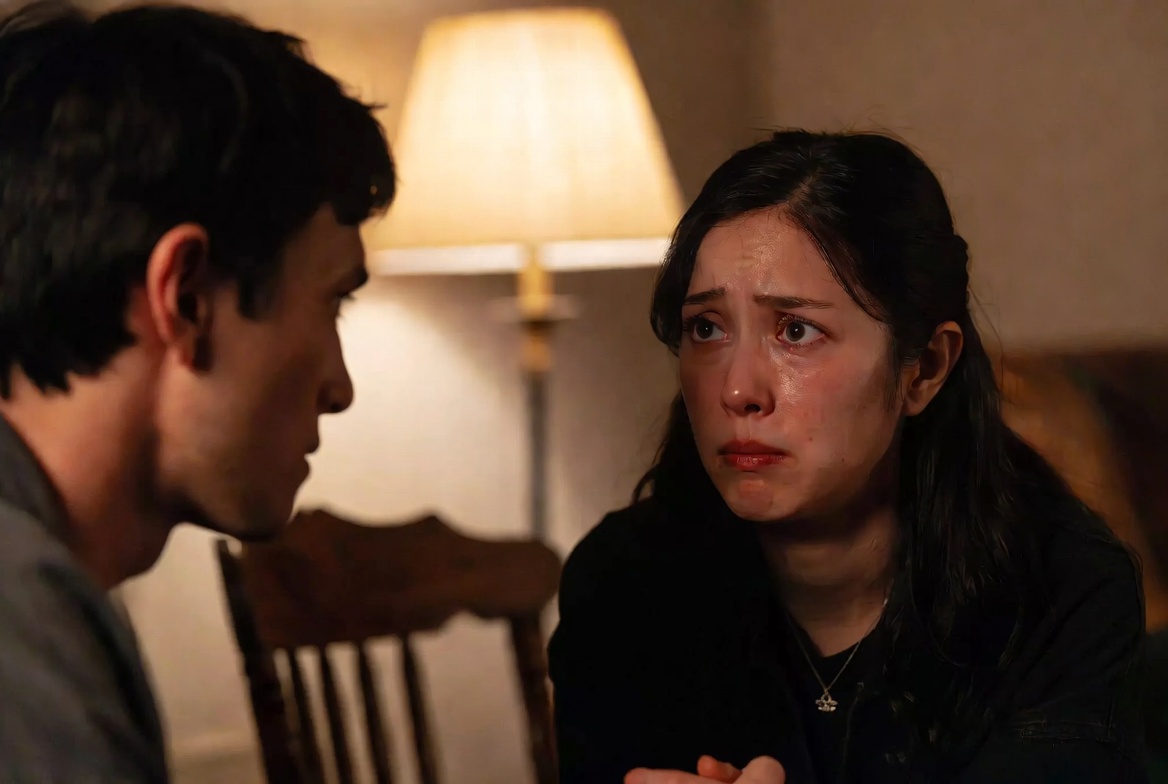
Months later, I drove Vivian to a rehabilitation appointment in Kitsilano. I waited outside in my truck like I always did. When she walked out, something was different. She was crying. Not from pain. From surprise. Her therapist had tested her nerve response, and for the first time in two years, her right hand had moved. It was a small movement. Maybe it meant nothing. Maybe recovery would still be difficult. But to Vivian, it was hope. She looked at me and said, “I spent two years being practical about what was possible. About what was realistic. About what was wise.” Then she smiled slightly. “You are not particularly practical.” I laughed because she was right. I drove forty minutes just to sit in a parking lot and wait for her. But to me, it was the easiest decision in the world.
She looked at me and said, “Why do you do that?”
I thought about it carefully.
“Because you matter,” I told her. “Not the surgeon. Not the recovery. Not the person everyone expects you to become. You.”
For a moment, she said nothing.
Then Vivian Aldridge, a woman who had faced losing her career, her identity, and the future she once imagined, looked at me and simply said, “I love you.”
I had not expected her to say it first.

But somehow, that felt exactly right.
Looking back, I realize the most important thing I ever gave Vivian was not protection. It was something much simpler.
I saw her.
Not her injury. Not her wheelchair. Not the things the world thought she had lost.
I saw the woman who was still there.
And she reminded me that the strongest people are not the ones who never break.
They are the ones who rebuild themselves and still choose to open their hearts again.