
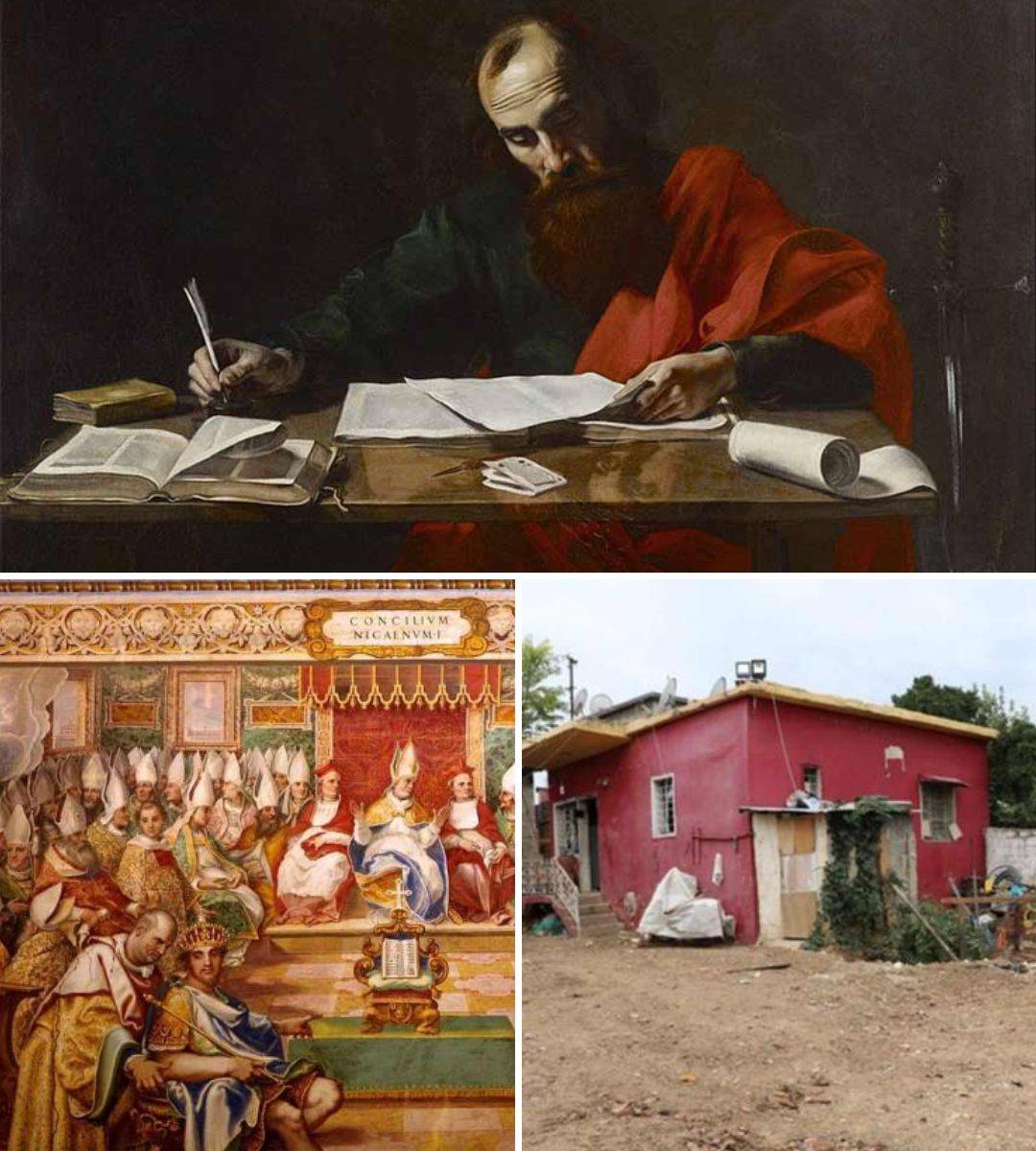
In a quiet neighborhood in Tarsus, Turkey, the ground has been stirring with intrigue for over a year. Heavy trucks have been hauling away dirt from a seemingly unremarkable house, raising eyebrows and questions: What secrets lie beneath? Is someone trying to bury the truth about St. Paul’s long-lost Bible?

The excavation has been shrouded in mystery, attracting armed guards and limiting access to only a select few. Speculation has run rampant since the tragic death of a local commissioner, who some believe may have stumbled upon a significant discovery linked to the ancient text. While the Vatican Embassy in Turkey publicly dismissed claims that the excavation was related to St. Paul’s Bible, the very act of issuing such a statement has only fueled curiosity. If the rumors were baseless, why the need for an official denial?
Tarsus, a city steeped in history and known as the birthplace of St. Paul, has been a focal point for scholars and believers alike. This ancient city, which dates back over 10,000 years, sits between Adana and Mersin and is rich in cultural significance. It is here, near the ruins of the monumental Mithra temple Donuktaş, that the excavation took place, suggesting a connection to the philosophical roots of early Christianity.

The Donuktaş temple, a relic from the 2nd century BC, has already yielded treasures, including a stunning bronze door now housed in Hagia Sophia. Yet, after the excavation concluded, the site was abandoned, and any findings were whisked away to an undisclosed location. This lack of transparency has left the community baffled, with no clear answers about what was unearthed or why it took so long to complete the digging.
Tarsus was not just a backdrop for St. Paul’s life but a thriving center of learning and philosophy. The city boasted one of the largest libraries of the ancient world, rivaling those of Athens and Alexandria. It was a melting pot of ideas that shaped early Christian thought, with St. Paul’s teachings echoing through its streets.

The excavation has sparked discussions about the intertwining of Mithraism, Stoicism, and early Christianity. These philosophical schools influenced each other, creating a rich tapestry of beliefs that shaped the spiritual landscape of the time. As St. Paul preached his revolutionary ideas, he was undoubtedly influenced by the intellectual currents swirling around him.
The questions surrounding St. Paul’s Bible are as complex as the history of Tarsus itself. Was the text lost, or has it been hidden away due to its controversial content? What might it reveal about early Christian beliefs that diverged from the established narrative?
As the mystery deepens, many wonder if the excavation in Tarsus will ever provide the answers we seek. Will the secrets of St. Paul’s Bible remain buried, or will they one day resurface to challenge our understanding of history and faith?


